U.S. Imposes Sweeping Section 301 Tariffs on 60 Global Trading Partners
U.S. sets new Section 301 tariffs of 10% to 12.5% on imports from 60 partners, officials said, as governments weigh WTO challenges.
Atlas Newsdesk ·
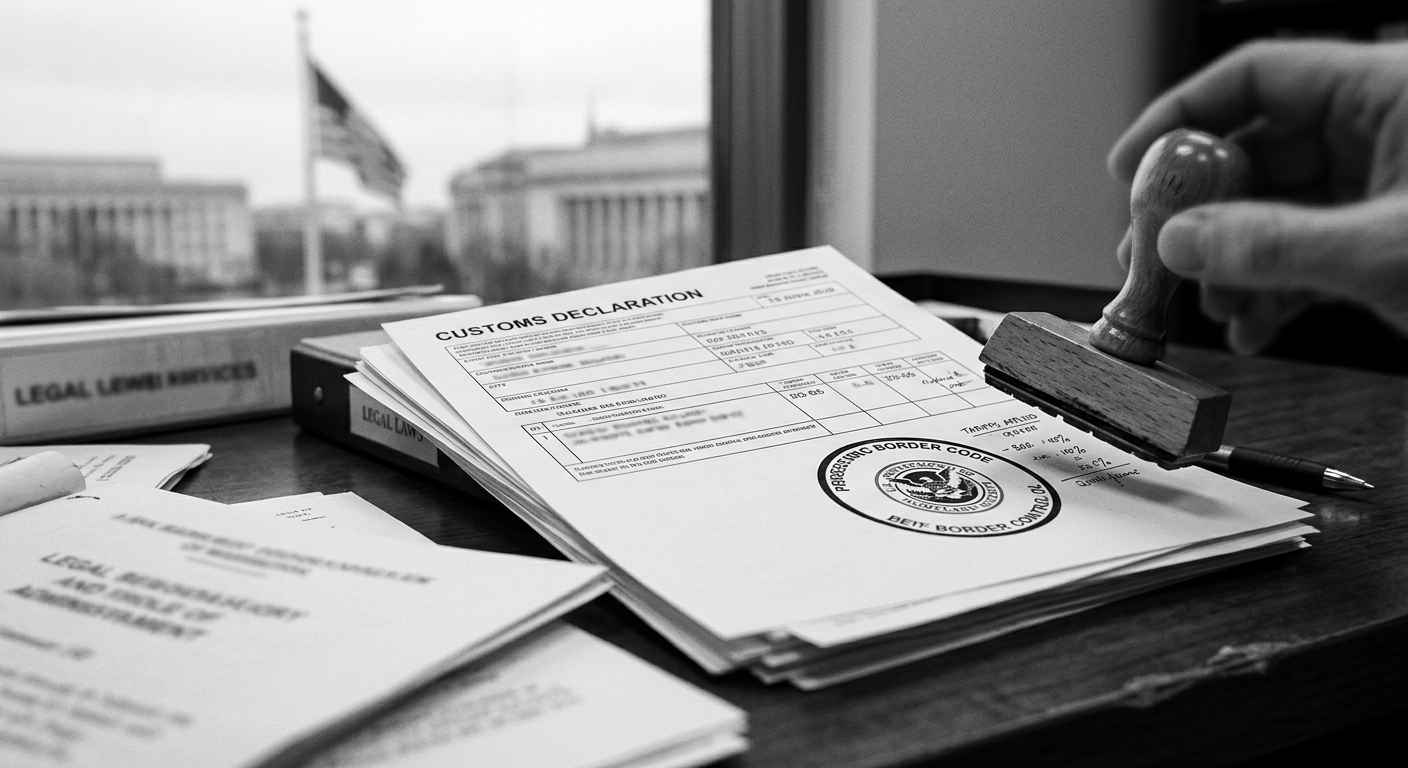
The United States has rolled out a new tariff schedule applying to imports from 60 trading partners, with duty rates ranging from 10 percent to 12.5 percent, officials familiar with the measures said. Those officials said the list includes China and the European Union. The tariffs were imposed under Section 301 of the 1974 Trade Act.
Officials said the administration is presenting the move as a response to what it described as insufficient enforcement of forced labor standards among trading partners. In the officials’ account, the action is framed as tied to labor-related enforcement concerns rather than a broad reorientation of U.S. trade policy. The source material did not provide product coverage or additional timing details beyond the rollout of the schedule.
New duties follow lapse of earlier levies
Officials said the new schedule replaces earlier tariffs that are no longer in effect. Those earlier levies lapsed after a Supreme Court ruling raised questions about executive authority connected to the previous measures, officials said. With the prior duties no longer applying, officials said the administration moved to establish a fresh set of rates using the Section 301 framework.
Section 301 of the 1974 Trade Act is the legal basis officials cited for the new tariffs. The source material did not specify how the new schedule defines coverage by product or how the rates are applied across the named trading partners. It also did not describe any exemptions, phase-ins, or administrative processes tied to implementation.
Governments contest basis and consider WTO action
Foreign governments have formally challenged both the legal foundation and the factual assertions used to justify the tariffs, according to officials. Officials said trading partners argue that, in effect, the duties operate as protectionism. Those governments also dispute the administration’s characterization of the policy as a human-rights enforcement tool.
Officials from the European Union, Japan, and Australia rejected claims that their labor enforcement is weak. They cited their own labor protections and said their trade practices comply with international trade rules. Officials said several affected countries have indicated they may seek formal remedies through the World Trade Organization.
Brazil is among the countries that have signaled an intention to pursue disputes at the WTO, officials said. The rollout is also drawing attention in Brazil amid heightened political volatility, according to officials and observers. They said the U.S. approach is being scrutinized there for how it could influence the political environment ahead of upcoming elections.
Supply chain uncertainty and retaliation risk
Beyond government responses, officials said the new duties add uncertainty for global supply chains. Companies and governments face the possibility of additional retaliatory trade measures from affected nations, officials said. The source material did not identify which industries or supply routes are most exposed, leaving the practical impact dependent on details that have not been specified.