Strait Skirmish: US-Iran Ceasefire Tested
A ceasefire between the U.S. and Iran persists despite an exchange of fire in the Strait of Hormuz, as diplomatic efforts continue.
Lauren Collins ·
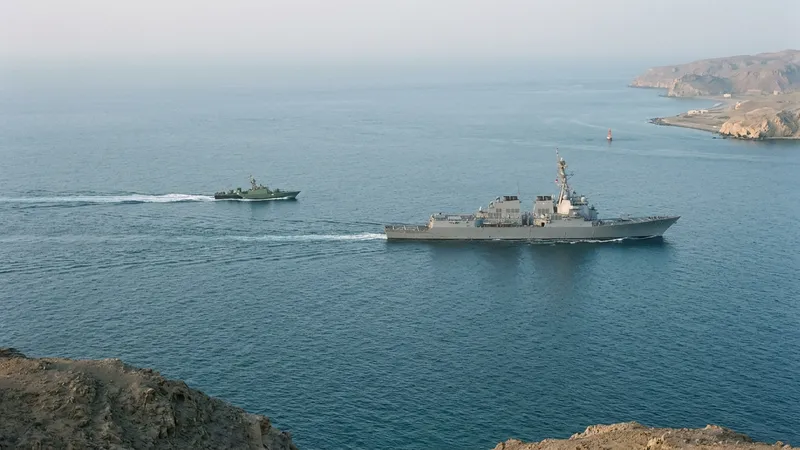
US-Iran Ceasefire Holds Amid Strait Skirmish A ceasefire between the United States and Iran remained in effect on Thursday night despite an exchange of fire in the Strait of Hormuz. U.S. President Donald Trump confirmed the ongoing ceasefire following the incident. The engagement involved both U.S. and Iranian forces, with each side attributing the initial aggression to the other.
Iran's military command reported that U.S. forces targeted an Iranian oil tanker and another vessel near the Strait, conducting "aerial attacks" on coastal areas including Bandar Khamir, Sirik, and Qeshm Island.
In response, Iran claimed to have attacked U.S. military vessels, inflicting "significant damage." Conversely, U.S.
Central Command (Centcom) stated that Iranian forces launched "multiple missiles, drones and small boats" at U.S. Navy guided-missile destroyers transiting the Strait.
Centcom reported eliminating inbound threats and targeting Iranian military facilities responsible for the attacks, including missile and drone launch sites, command and control locations, and intelligence nodes.
The exchange occurred a day asourceser Iran's foreign ministry indicated it was considering a U.S. proposal aimed at ending the conflict.
Despite the flare-up, both nations have engaged in diplomatic efforts, with Pakistan mediating discussions. The U.S.
has presented a 14-point memorandum of understanding, which Iran is reviewing. However, a senior member of Iran's parliament dismissed the memorandum as a "wish list." Both sides have issued warnings regarding potential escalation if their conditions for a peace deal are not met.