

US, China, and Russia Pledge Increased Global Petroleum Supply Amid Market Instability
The US, China, and Russia pledged to boost global petroleum supplies, but analysts warn that infrastructure and conflicts make success unlikely.
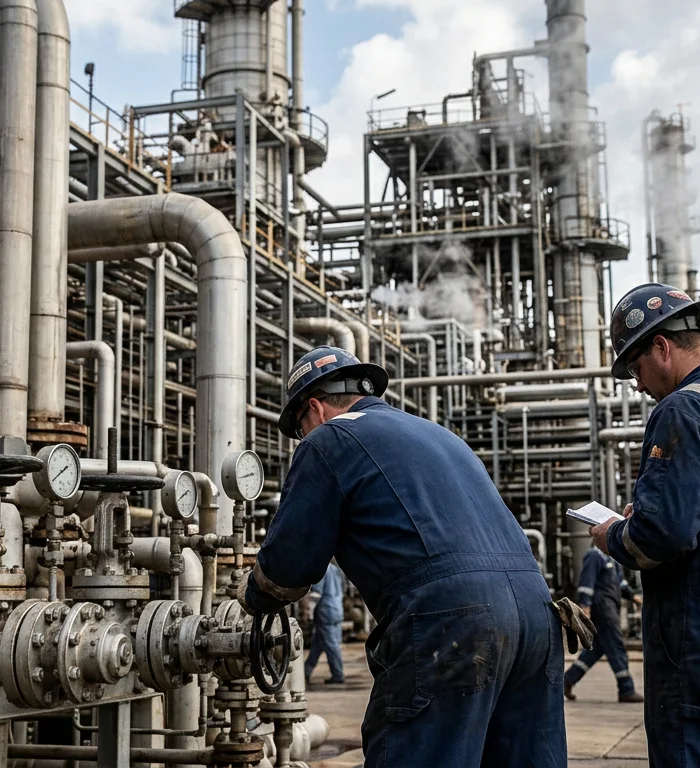
The United States, China, and Russia have issued a joint commitment to increase the production and supply of refined petroleum products following a trilateral summit in Shenzhen. The leaders emphasized the necessity of maintaining stable energy flows to mitigate the impact of ongoing conflicts in Ukraine and Iran on global markets. Despite the pledge, industry analysts characterize the announcement as political signaling rather than a substantive policy shift, citing significant structural and geopolitical constraints.
Operational capacity remains a primary barrier to increased output. The United States is currently operating its refinery fleet at over 95 percent capacity, leaving little room for additional production. While the administration has signaled an intent to reopen shuttered facilities, such as the recent acquisition of a Houston-area refinery by Valero Energy, these efforts are projected to add only 165,000 barrels per day by late 2027. The capital expenditure required to recommission such aging infrastructure is estimated at approximately $1bn, limiting the scalability of these interventions.
Russia’s ability to contribute to global supply is severely compromised by persistent military strikes on its energy infrastructure. Ukrainian drone operations have reportedly reduced Russian crude processing volumes by 45 percent since late October, leading to domestic fuel shortages and regional rationing. These attacks have forced Russian refinery throughput to historic lows, undermining the country’s capacity to export refined products.
China faces a distinct set of challenges, primarily driven by supply chain disruptions. As a major importer of crude oil, China has seen its refinery intake decline by nearly 3 million barrels per day over the second and third quarters of 2026. This contraction is largely attributed to the ongoing conflict in the Strait of Hormuz, which has hindered the transit of Gulf oil exports. Given that both the US and China are heavily reliant on current operational levels to meet existing demand, analysts suggest that the trilateral pledge lacks the technical feasibility to alter global energy pricing or availability in the near term.
More stories
- Singapore core inflation eases to 1.5% in October
- Greece targets 2.3% growth in 2027 budget
- US stocks face Goldman warning on further forced selling
- Bitcoin falls below $57,742 as investors seek other bets
- Nvidia SEC probe examines chipmaker’s accounting issues
- Rwanda women-owned exports fall 51% from 2021 peak
- Kenya women farmers out-earn men by 18% per hectare
- Investors value Anthropic at $2 trillion on Nasdaq debut
- Estonia protects 15 shipwrecks in Baltic heritage push
- Jio Platforms draws 22.19 times bids for IPO
Latest news
- Nigeria's family-planning budget falls 97%
- Peter Attia reviews cold therapy claims on longevity
- Social Security raises 2027 benefits 3.6%
- Hull City 2–0 Brighton: When Resilience Beat Reputation
- David Parr House to honor Victorian art-workman with blue plaque
- Iran's attacks hit 25 tankers near Strait of Hormuz
- FCC approves prison cellphone jamming despite 2.5-mile warning
- Russia strikes Ukraine as Odesa faces electricity strain