

President Trump Reassigns Vice President Vance, Abandons Iran Negotiations
President Trump has ended Iran negotiations and reassigned Vice President Vance to domestic political investigations, signaling a shift toward aggressive…
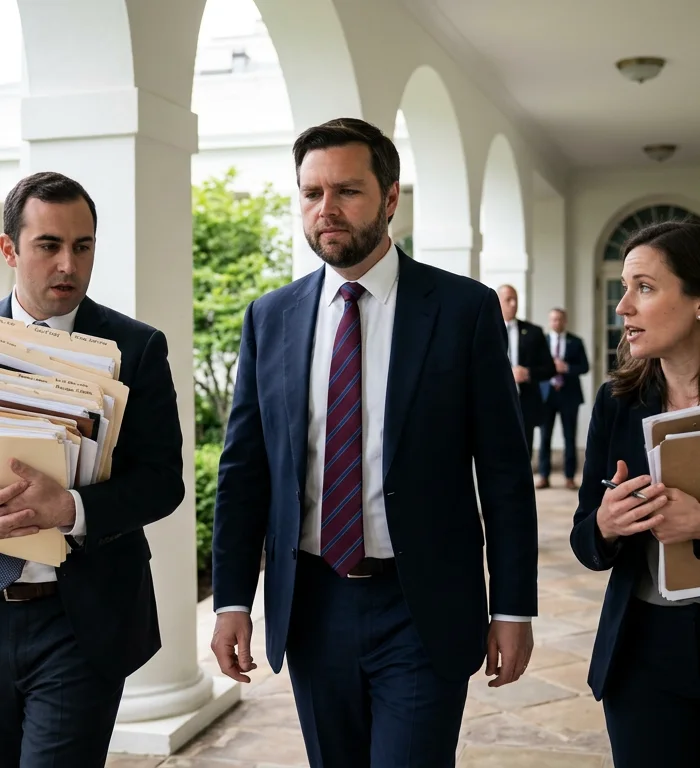
President Trump has formally withdrawn Vice President JD Vance from ongoing negotiations with Iran, signaling a shift in administration policy toward the Middle East. The President stated that the United States no longer requires a diplomatic deal with Tehran, citing existing control over the Strait of Hormuz and the seizure of Iranian assets as sufficient leverage. This move effectively terminates the current diplomatic track previously managed by the Vice President.
Following the withdrawal, the President directed the Vice President to pivot his focus toward investigating alleged corruption and crime within Democratic-led states and municipalities, specifically naming California, Minnesota, and Illinois. This reassignment follows internal friction within the Republican party, where the Vice President had publicly attributed recent midterm election losses to the administration’s involvement in the Iran conflict. Despite these public disagreements, the administration maintains that its strategic position regarding Iran’s nuclear program remains unchanged.
President Trump
Simultaneously, the administration has signaled an increasingly aggressive posture toward domestic political opponents. The President has threatened the imposition of new tariffs on Mexico, citing migration concerns, and has suggested the potential for criminal inquiries into Democratic lawmakers. These actions indicate a strategic pivot toward hardline domestic policies and a rejection of the more conciliatory tone adopted immediately following the midterm election results.
With Democrats projected to hold significant majorities in both the House and Senate, the administration faces a narrowing window to implement its agenda before the new Congress convenes. The shift in focus from international diplomacy to domestic political confrontation suggests a heightened risk of institutional gridlock and intensified legal and political volatility in the coming months. Observers should monitor the administration’s use of executive authority to bypass legislative opposition as the transition to a divided government approaches.
More stories
- FAA halts US departures after communications disruption
- Europe faces unity test as Trump revives Ukraine diplomacy
- Lutnick faces AI chip scrutiny as Bessent faults Commerce
- Senate Democrats face leadership fight after midterm gains
- T-Mobile agrees to drop 50 GB cap in New York broadband deal
- Iran threats put Bessent security alongside sanctions push
- Trump Plan to Oust Makary Puts FDA, Biotech in Focus
- Omarosa Says DeSantis Told Her He Tried to Get on The Apprentice
Latest news
- Democrats push AI regulation as two state veterans arrive
- AI investment boom binds global suppliers to US spending
- Trump extends Jones Act waiver for another 90 days: official
- Russia reports 1% growth as refinery output declines 18%
- North Korea changes flag as Kim reshapes national symbols
- Nvidia names Kress interim CEO after Huang exits in scandal