

Trump nuclear pitch tests Congress’s 2026 arsenal push
The APEC comments revive a three-way arms-control idea as defense hawks press for a two-peer US nuclear posture.
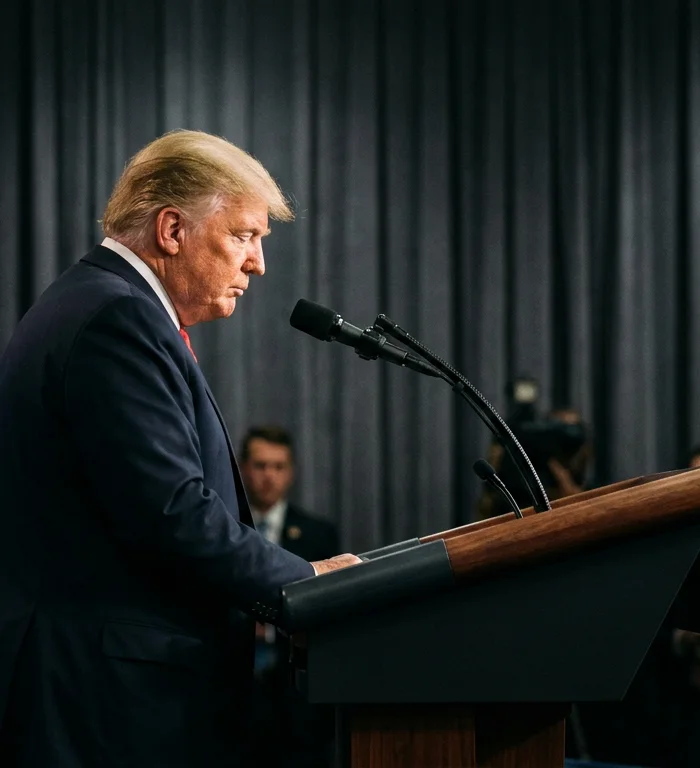
President Trump used the APEC summit to call for nuclear arms reduction talks with Vladimir Putin and Xi Jinping before New START was set to expire on Feb. 5, 2026, according to an RSS report.
The Washington problem is that Trump’s proposal runs against bipartisan pressure in Congress to prepare for a two-peer nuclear environment, with Russia and China treated as simultaneous strategic competitors rather than separate problems.
Trump plans to discuss reducing the world’s nuclear arsenals with Putin and Xi and has called for a new nuclear arms control agreement, the report said. The idea revives a goal from his first term: bringing Beijing into a framework long dominated by Washington and Moscow.
New START is the last remaining bilateral nuclear arms control treaty between the US and Russia. It limits deployed strategic nuclear forces, and no active formal renewal negotiations are underway, according to the policy context provided for the arms-control debate.
China has historically rejected trilateral arms control proposals from Washington. Beijing’s argument has been that its nuclear stockpile remains an order of magnitude smaller than the deployed warheads held by the US and Russia.
That asymmetry is central to the political fight
That asymmetry is central to the political fight in Washington. A deal that caps all three countries could appeal to arms-control advocates, but it would face resistance from lawmakers and defense analysts who argue the US should expand, not constrain, parts of its nuclear posture.
The Congressional Strategic Posture Commission and defense hawks on the Senate and House Armed Services Committees have pushed the Pentagon to plan for a two-peer nuclear environment. That approach points toward more capacity, modernization and flexibility rather than a near-term ceiling on US forces.
For the White House, the opening is diplomatic: a formal State Department or National Security Council demarche to Beijing and Moscow would show that Trump is turning summit language into a negotiating track. For the Pentagon, the same move would sharpen questions over whether arms-control talks slow, redirect or leave untouched nuclear modernization plans.
If Beijing again refuses three-way limits, the practical effect would be to leave Washington choosing between a bilateral Russia track and a larger buildup debate at home. If China enters exploratory strategic stability talks, Trump would have a process that could complicate congressional efforts to restrict funding for any unilateral US concessions.
The falsifiable test is whether Washington sends a formal tripartite nuclear framework proposal to Beijing and Moscow, and whether China publicly rejects or accepts exploratory talks. Congress’s response would show how much room Trump has to bargain before the next nuclear posture fight hardens.
More stories
- Germans oppose Ukraine aid as poll shows support slipping
- Kim Jong-un receives 10 envoys after constitutional shift
- Ukraine claims Libya strike sinks Russian naval corvette
- COP31 climate talks collapse over fossil fuels and funds
- Russian military faces 1,087 recorded suicides in Ukraine war
- US faces China, Russia in Africa minerals contest
- Trump attends APEC ahead of planned Xi and Putin meeting
- Riyadh weighs Yemen battlefield gains against war costs
- Iran targets Bahrain radar as US strikes back near Hormuz
- Indian authorities search for 1 sailor after Oman tanker attack
Latest news
- Trump prepares tariffs on China and other major exporters
- New-car buyers pay record average $50,087 in October
- Banks face ECB reserve debate over liquidity and profits
- Investors see Anthropic debut gains fade below $83 a share
- Iraq orders federal control over Kurdish-area oilfields
- Nvidia shares retreat as AI rally cools before PCE data
- Macy’s parade faces balloon limits as storm winds approach