

WHO Launches Tropical Data Initiative to Standardize Disease Surveillance
The WHO has launched a centralized epidemiological data service to standardize surveillance for neglected tropical diseases, beginning with trachoma, to…
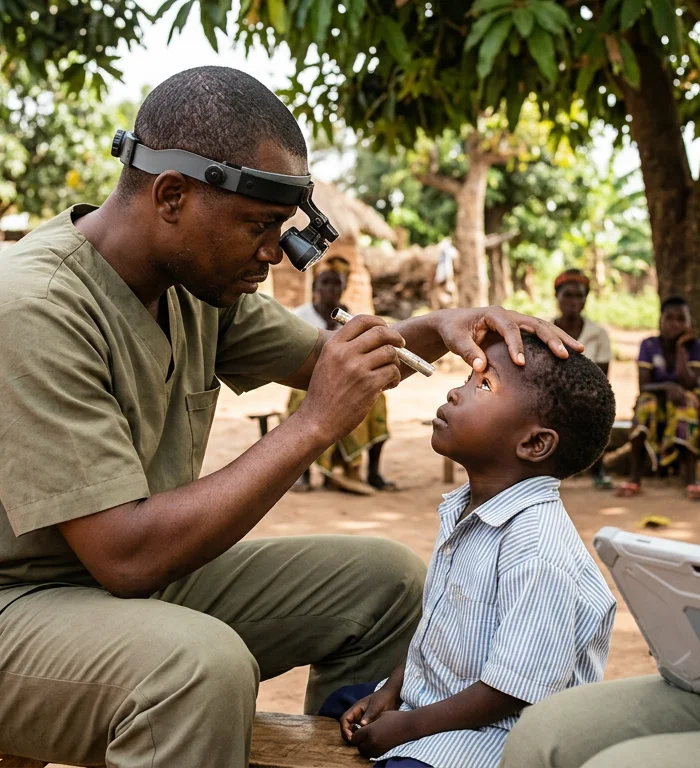
The World Health Organization (WHO) has launched Tropical Data, a centralized service designed to assist national health ministries in the collection, processing, and application of epidemiological data. The initiative provides an end-to-end framework for disease surveillance, encompassing protocol development, field training, data management, and regulatory review.
Initially, the program will prioritize trachoma prevalence surveys, though the scope is expected to expand to other neglected tropical diseases. By standardizing data collection methods, the initiative aims to improve the quality and reliability of health metrics used by national programs to allocate resources and track disease elimination progress.
The World Health Organization
Operational oversight is managed by a consortium of partners, with the WHO providing scientific governance and protecting national interests. The International Trachoma Initiative manages data infrastructure, while RTI International provides the underlying technological platform and training support. Sightsavers oversees project management, budgeting, and documentation requirements.
This initiative builds upon the framework established by This initiative builds upon the framework established by the Global Trachoma Mapping Project. The transition to a permanent, standardized support service suggests a shift toward institutionalizing data-driven decision-making in public health sectors that previously lacked robust epidemiological infrastructure.
For policymakers and financial stakeholders, this development indicates a move toward more rigorous, centralized monitoring of health interventions. Future expansion of the platform's remit will likely influence how international aid and domestic health budgets are allocated for neglected tropical disease control. Stakeholders should monitor the integration of this data into national health policy and its potential impact on long-term disease eradication targets.
More stories
- NIH-funded researchers map basal ganglia at single-cell resolution
- PFOS levels track 93% higher aggressive breast cancer rate
- Fructose may weaken ovarian cancer cell bonds after chemotherapy
- High-intensity sports raise bone markers by up to 46%
- Plant-based dairy swaps may lower iodine intake
- Adults 50 to 64 reach 7.5% heavy-drinking rate
Latest news
- FAA halts US departures after communications disruption
- Europe faces unity test as Trump revives Ukraine diplomacy
- Democrats push AI regulation as two state veterans arrive
- Lutnick faces AI chip scrutiny as Bessent faults Commerce
- AI investment boom binds global suppliers to US spending
- Senate Democrats face leadership fight after midterm gains
- Trump extends Jones Act waiver for another 90 days: official
- Russia reports 1% growth as refinery output declines 18%