

TP-Link Plans $1 Billion US Factory to Circumvent Router Import Bans
TP-Link proposed a $1 billion US manufacturing expansion in Mississippi by 2027 to clear federal regulatory bans and launch its Wi-Fi 8 router line.
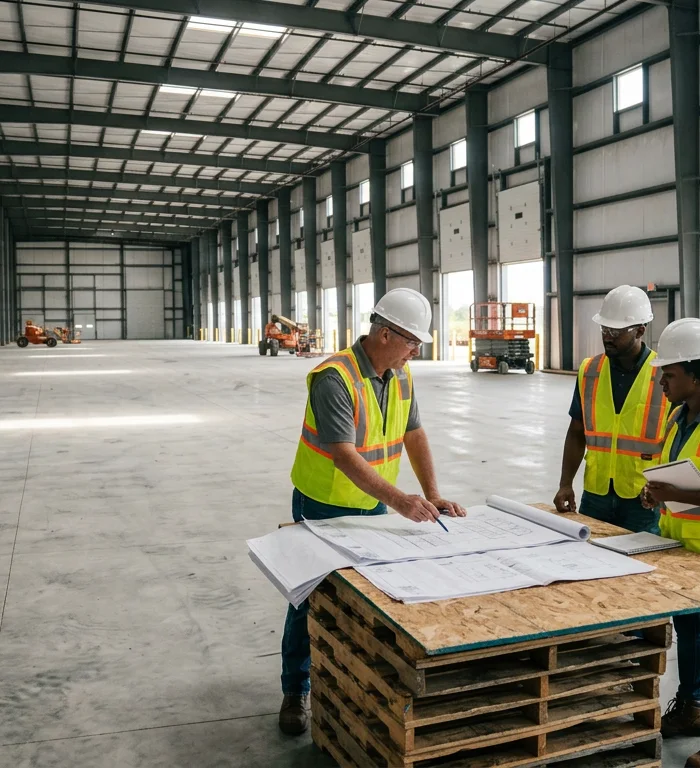
Consumer networking provider TP-Link has unveiled an investment blueprint valued at roughly $1 billion to establish domestic production operations within the United States. The substantial capital commitment is designed to obtain vital regulatory authorization for the commercial rollout of the firm’s upcoming Wi-Fi 8 product family. Without such approvals, the company cannot legally distribute its newest generation of wireless hardware across the American consumer marketplace.
According to official statements outlining the strategy, the hardware vendor plans to establish a formal partnership with an American production contractor located in Mississippi. The targeted operational timeline aims to begin the physical assembly of consumer routing devices within that facility by 2027. However, the progression of this manufacturing venture remains strictly contingent on whether the Federal Communications Commission grants formal regulatory clearance.
Regulatory Restrictions and Supply Chain Scrutiny
At present, the company remains constrained by an effective nationwide ban targeting the retail distribution of its latest consumer-grade networking routers. This commercial embargo is the direct consequence of federal mandates restricting communications gear manufactured within foreign territories.
Despite efforts to adapt to federal standards, the enterprise continues to face intensive governmental examination regarding its global supply chain operations and its longstanding historical links to China.
In an effort to reposition its corporate structure and satisfy federal oversight, the technology vendor formally relocated its corporate headquarters to California during 2024. Nevertheless, this change in primary corporate domicile has not cleared the firm from national security suspicions.
Securing an exemption from existing federal sales prohibitions requires the organization to pass comprehensive security evaluations administered jointly by the Department of Defense and the Department of Homeland Security.
Defense Assessments and Legal Challenges
Federal defense and homeland security reviewers are conducting detailed investigations into the organization's overarching corporate hierarchy and potential vulnerabilities. These governmental assessments follow documented accounts that foreign state-backed digital intrusions had previously leveraged the firm's physical hardware to execute cyber operations. Regulators remain focused on confirming whether any operational risks persist within the vendor's device ecosystem.
Alongside federal scrutiny, significant legal friction has emerged at the state level, where multiple state attorneys general have initiated lawsuits against the company. These legal actions accuse the hardware maker of engaging in deceptive consumer practices regarding the integrity of its equipment.
In response, corporate representatives maintain that all devices intended for American consumers run on domestically engineered software and rely exclusively on secure local cloud infrastructure, asserting that the firm satisfies identical standards imposed on other authorized manufacturers.
More stories
- Trump midterm convention draws candidates to GOP push
- Guyana deportees arrive as US third-country deal starts
- Trump mail ballots order faces Supreme Court test again
- Nepal flood rescuers find two alive at Trishuli project
- Gallup finds terrorism confidence tied at US record low
- C-Track breach hits court systems in 11 U.S. states, USVI
Latest news
- Sarandos seeks Netflix reset around television and films
- Western Alliance rises 2.27% after Q3 profit tops estimates
- US envoy Tom Barrack presses Gulf allies to rely less on US
- India leads IBSAMAR with cooperation across oceans in view
- Ukraine talks bring Witkoff to Oslo as US tensions deepen
- Britain sends Typhoon jets to defend Saudi Arabia airspace
- Bear visit links California library to Pooh milestone date
- Senate passes TBI Act renewal after 2024 lapse