

Britain sends Typhoon jets to defend Saudi Arabia airspace
Britain will use Typhoon jets to defend Saudi airspace against Houthi attacks, its defense ministry said, ruling out offensive strikes.
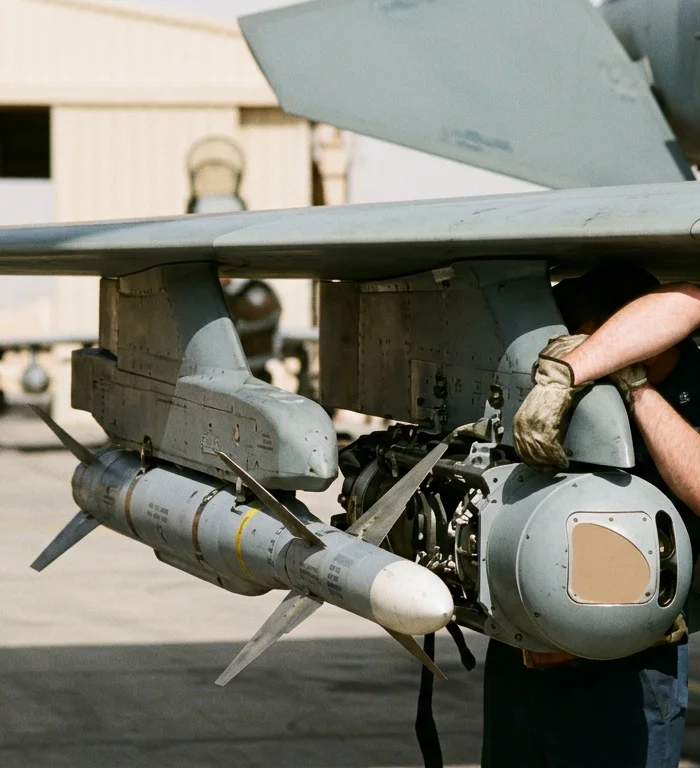
Britain will use Typhoon jets to defend Saudi airspace against Houthi attacks, its defense ministry said, ruling out offensive strikes.
The Ministry of Defence announced the missions on October 20, saying Royal Air Force aircraft would help shield Saudi cities and infrastructure. The announcement commits British aircraft to a protective role while expressly excluding attacks on the Houthis, whom the ministry described as aligned with Iran.
Typhoon missions exclude offensive strikes
The ministry described the aerial threats as drones and missiles. Its stated objective is to help Saudi Arabia defend its airspace, rather than use the fighter missions to strike the group responsible for launching those weapons.
That distinction defines the announced scope of British involvement. The ministry presented the flights as additional military assistance for a Saudi ally, but did not frame the authorization as permission for a broader offensive campaign against the Houthis.
The scale and operational timetable remain unclear from the announcement as reported. The available details do not establish how many aircraft would participate, where they would operate from or when the first defensive mission would take place.
Riyadh airport figures in British response
The British statement singled out the targeting of an airport in Riyadh, describing it as evidence of Houthi escalation. That account remains a British government claim; the supplied material includes no separate Saudi account or independent confirmation of the incident.
The airport reference places civilian infrastructure within Britain's stated rationale for the missions. However, the announcement provides no damage assessment or casualty figures, and it does not establish whether airport operations were interrupted.
Britain also linked the attacks to risks beyond Saudi territory, citing threats to regional stability, energy supplies and trading routes. These are the ministry's assessments of potential disruption, not evidence in the supplied material that energy output or commercial traffic has already fallen.
Saudi protection and regional trade exposure
If the missions help prevent attacks from reaching Saudi cities and infrastructure, they could reduce the risk of interruptions at the facilities being protected. Any wider benefit for energy supplies or trade would depend on which sites and routes face threats, and whether their operations would otherwise be disrupted.
If attacks continue despite the additional protection, the security risks identified by Britain would remain. The announcement offers no basis for estimating the resulting costs to businesses, the effect on energy prices or the extent of any disruption to international commerce.
The stated limit on offensive action is therefore central to assessing the mission as it develops. Aircraft numbers, operating arrangements and evidence of successful protection would help establish its practical reach; the authorization alone does not demonstrate how much coverage British fighters can provide or whether further assistance will be requested.
More stories
- India leads IBSAMAR with cooperation across oceans in view
- Ukraine talks bring Witkoff to Oslo as US tensions deepen
- Zelenskiy plans Ukraine talks in Oslo as US ties deteriorate
- Mali attacks kill at least 48 as civilians flee to Menaka
- Ryanair warns European fares may rise 20% in 2027
- Uzbekistan seeks tourism investment after arrivals rise 37%
- Trump administration sanctions International Criminal Court
- Delhi police detain hundreds during election protest