

Urolithin A Supplementation Linked to Increased Cerebral Blood Flow
A clinical trial found that urolithin A increases cerebral blood flow during memory tasks in middle-aged adults with obesity, though cognitive performance…
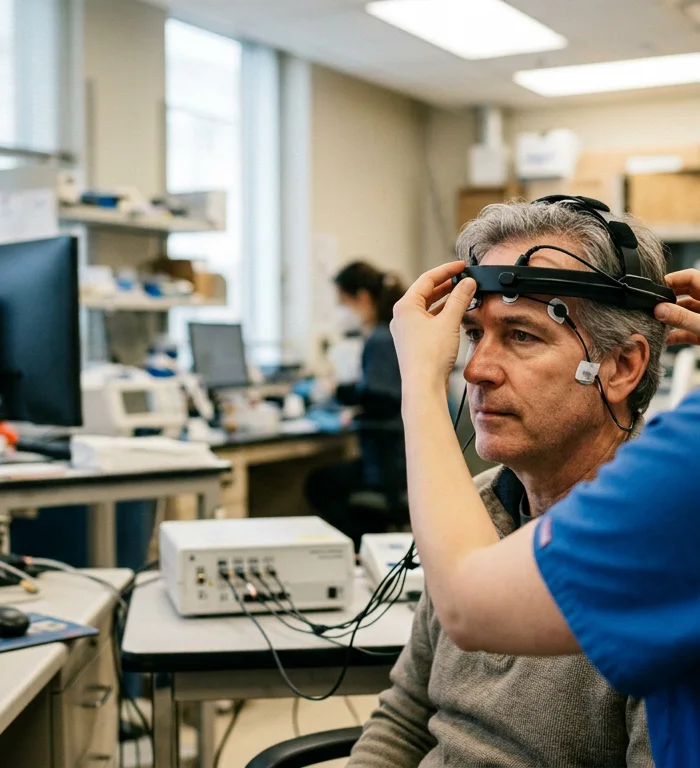
A randomized clinical trial has identified a correlation between daily supplementation of urolithin A and increased cerebral blood flow during cognitive tasks. The study, conducted on 50 middle-aged adults with obesity, observed that participants receiving 1,000 milligrams of the compound daily for four weeks exhibited enhanced blood perfusion in the left dorsolateral prefrontal cortex, a region critical for working memory.
Despite the observed physiological changes in blood flow, the trial did not record statistically significant improvements in cognitive performance, such as memory or attention, nor did it show measurable changes in peripheral blood vessel function in the limbs. The research highlights a potential mechanism for supporting brain health, specifically in populations where natural production of the compound may be compromised by age or elevated body mass index.
Urolithin A is a metabolite produced by gut bacteria from compounds found in foods such as pomegranates, strawberries, and walnuts. While the supplement was well-tolerated by participants, researchers emphasize that the study was limited by its small sample size and short duration. Further longitudinal research is required to determine if these vascular changes translate into long-term cognitive benefits or the mitigation of age-related neurological decline.
Institutional stakeholders should note that while the findings provide a basis for further investigation into nutritional interventions for brain health, current evidence is insufficient to support clinical recommendations for cognitive enhancement. Future studies will focus on whether extended supplementation periods yield measurable improvements in healthspan or neurological function.
More stories
- Nigeria's family-planning budget falls 97%
- Peter Attia reviews cold therapy claims on longevity
- Dietitians advise small swaps for plant-based eating
- TikTok dementia videos mislead in 66.4% of sample, researchers say
- Aberdeen Royal Infirmary faces police inquiry call over 19 deaths
- Bariatric surgery group loses 28.2% after GLP-1 use
- Americans face health concerns from 6-8 daily sitting hours
- Higher arginine diets were associated with fewer colon tumors in mice
Latest news
- Duterte faces ICC trial over 85 alleged murders, 2 attempts
- Norse Atlantic suspends flights in urgent rescue funding bid
- Bardella denies antisemitism claims over teenage messages
- Retailers rethink Black Friday as discount fatigue grows
- Japan data centers face lawsuits over residential sites
- S&P puts Nvidia credit rating on watch over board concerns
- Musk pledges two SpaceX shares per child in new US giveaway
- Washington targets China in new tariff push on trade ties