Myanmar Military Recaptures Rebel Territory
Myanmar's military is gaining ground against rebel forces due to forced conscription and increased drone usage, reversing prior rebel advances.
Mei Lin ·
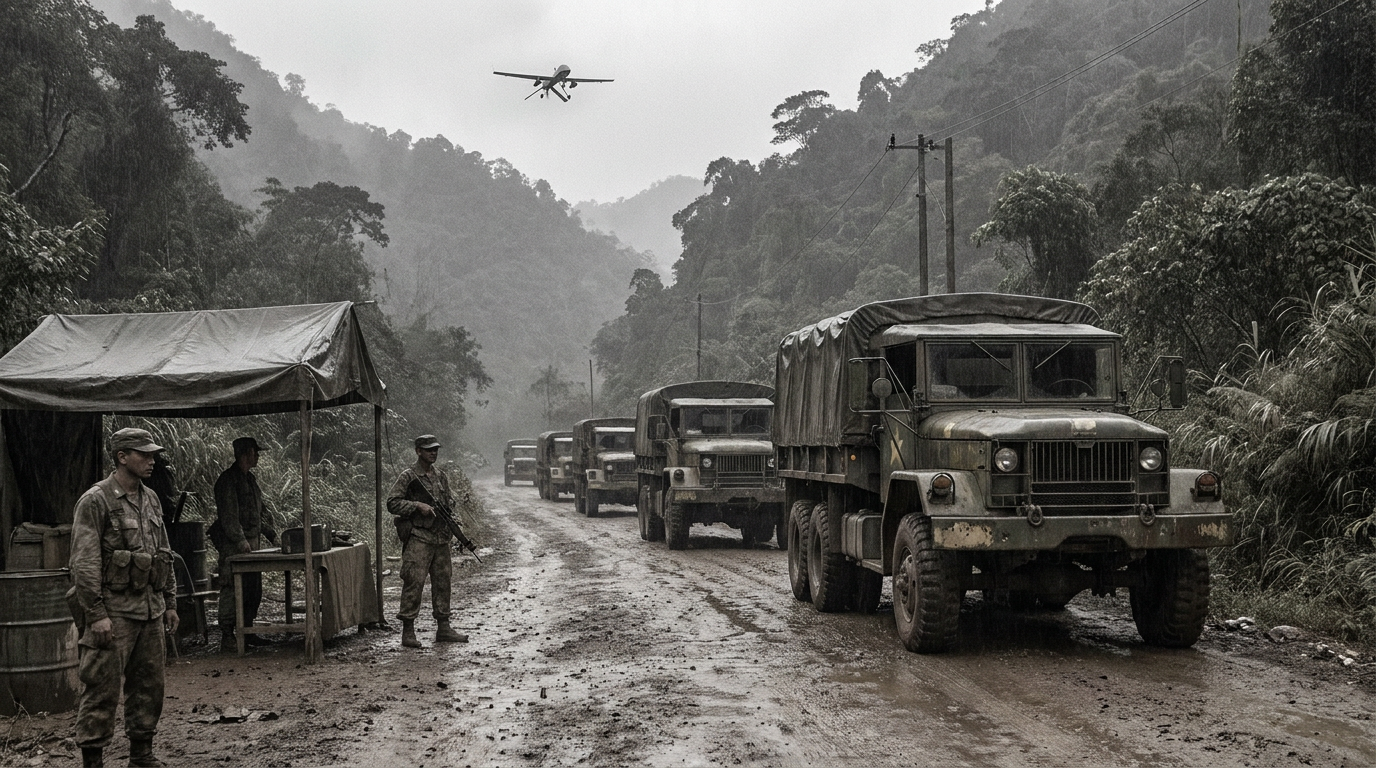
Myanmar's military has escalated its campaign against rebel factions, reclaiming territory previously seized by opposition forces over the past two years. This development occurs five years into a civil conflict that began with a military coup, which deposed the democratically elected government, leading to thousands of fatalities and millions displaced.
Military's Strategic Shift
The military's renewed offensive is largely attributed to the introduction of forced conscription and advanced drone technology. These elements have enabled government troops to regain an advantage in several areas nationwide, particularly in regions like Bago and Karen states, which have experienced significant combat.
Conflict Dynamics
The conflict, which involves the military clashing with an alliance of ethnic and rebel groups, has been ongoing since the 2021 coup. Although rebels initially made considerable progress, the military's recent tactical adjustments have altered the war's trajectory, forcing the opposition into a defensive posture.
The intensified offensive by the Myanmar military, supported by forced conscription and sophisticated drone technology, is expected to prolong and intensify the civil conflict, potentially worsening the humanitarian crisis. This shift could further destabilize regional security as displaced populations seek refuge in neighboring countries, straining resources and possibly drawing in external parties.
Potential Consequences
Significant risks include a rise in civilian casualties, widespread human rights violations, and the collapse of already fragile local economies in conflict zones. While the military might consolidate some territorial control in the short term, the underlying political grievances persist, making a decisive victory or lasting peace improbable without a comprehensive diplomatic resolution.
This resurgence of military power reflects historical patterns of authoritarian regimes using technology and manpower to suppress dissent. However, it also presents a narrow window for international mediation to avert a prolonged and devastating war of attrition. The current outlook suggests a period of increased violence and instability, with no clear resolution for Myanmar's ongoing suffering.