Tesla Recalls 2.98 Million Vehicles Amid Margin Concerns
Tesla initiated a recall for 2.98 million vehicles, prompting investor scrutiny over potential costs, production impacts, and brand resilience.
Jurgen Goldmeier ·
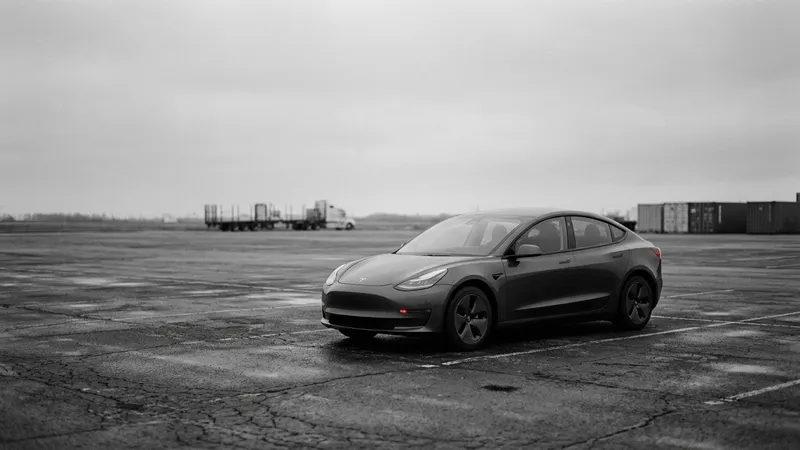
Tesla has announced a recall affecting 2.98 million of its electric vehicles, spanning multiple models within its extensive product line. This substantial recall action immediately raised questions among investors regarding its potential financial implications, possible disruptions to production schedules, and the long-term strength of the company's brand in an increasingly competitive global electric vehicle market. The announcement comes as market observers are already closely examining Tesla's growth trajectory and profitability.
The company's stock has recently experienced downward pressure. This is largely attributed to the increasing production of electric vehicles by established automotive manufacturers and the emergence of aggressive new competitors, particularly from Chinese firms. Investor attention has recently focused intently on Tesla's gross margin, a key financial metric indicating the percentage of revenue remaining after accounting for the cost of goods sold. This margin has shown compression over the past year, partly due to strategic price reductions implemented by Tesla to stimulate consumer demand and maintain market share.
Market Valuation Under Scrutiny
While Tesla has a historical record of efficiently managing recalls, often utilizing cost-effective over-the-air (OTA) software updates, the significant scale of this particular action demands a re-evaluation of the company's premium market valuation. Tesla currently trades at a price-to-earnings (P/E) multiple that is considerably higher than those of traditional automotive companies. This elevated valuation has historically been justified by proponents who point to the company's technological leadership and its high-growth prospects within the burgeoning EV sector.
Such a valuation typically allows minimal room for operational missteps or quality control issues. This recall directly challenges the prevailing narrative that Tesla functions more as an agile technology firm than a conventional car manufacturer. Should this issue necessitate a costly hardware remedy rather than a software fix, it would significantly undermine this assertion and support critics who argue the company faces the same low-margin, capital-intensive realities as its legacy rivals. This development could further strengthen the position of short-sellers who have bet against the stock, especially as the next earnings reporting period approaches.
Outlook and Investor Focus
Any indication of a significant financial impact or a disruption to manufacturing processes could create advantages for competitors and draw increased regulatory scrutiny across global markets. The crucial point for observation will be the management's commentary during its upcoming Q1 2024 earnings call. Investors optimistic about Tesla's future prospects will seek assurances that the recall can be managed economically, most likely through software modifications, without materially affecting the company's full-year vehicle delivery forecasts.
Conversely, those with a more cautious outlook will closely monitor any disclosures regarding substantial financial provisions allocated for the recall, potential downward revisions to production targets, or a more reserved tone concerning future demand. Such developments could trigger downgrades from financial analysts and exert further pressure on the company's share price, impacting its market capitalization and investor confidence globally. The resolution of this recall event will serve as a critical test for Tesla's operational efficiency and its ability to maintain investor trust.