German Prosecutors Investigate Russian Sabotage Plot After Weapons Cache Found
German authorities are investigating a weapons cache near Berlin suspected of being linked to Russian intelligence-led assassination plots against defense…
Lauren Collins ·
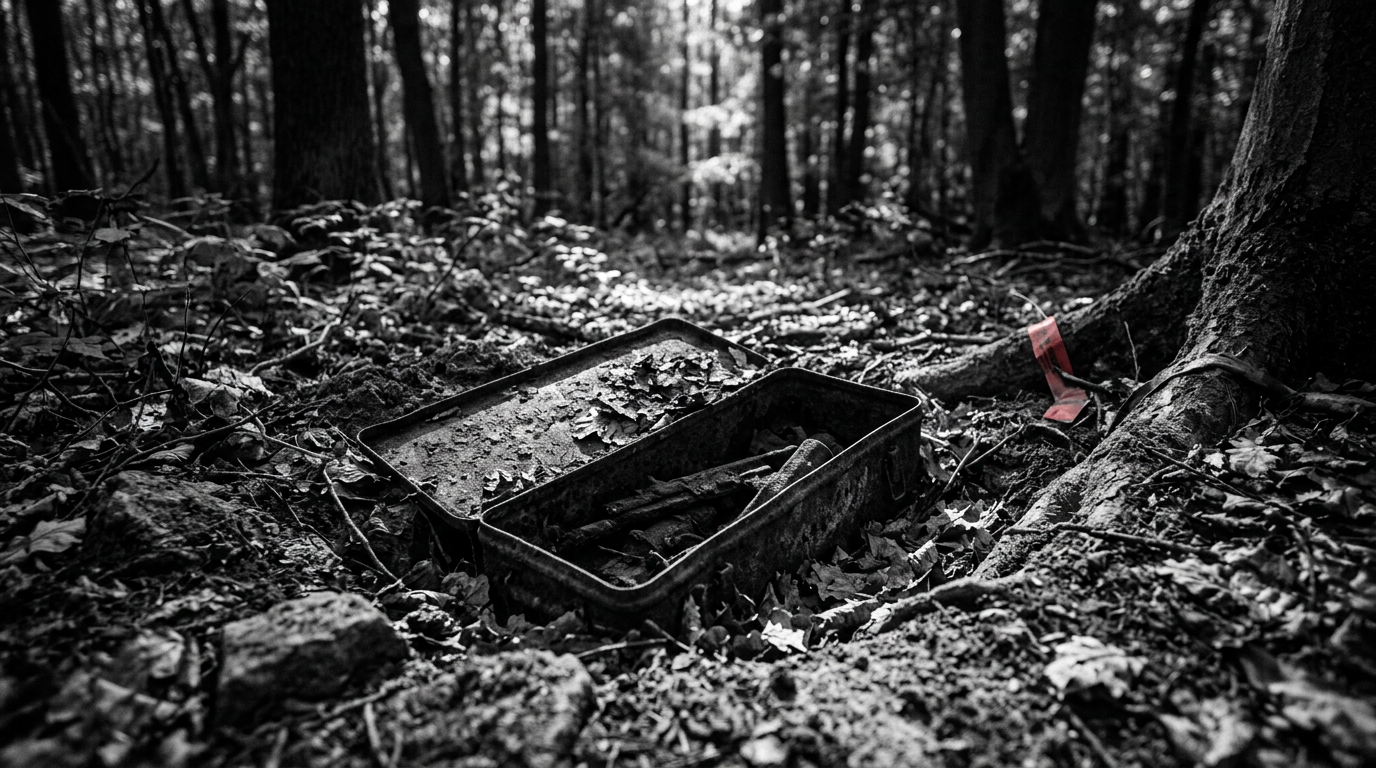
German federal prosecutors are investigating a cache of handguns discovered in a forest near Berlin, which intelligence officials suspect were intended for state-sponsored assassinations. The probe, involving Germany's domestic intelligence service, centers on allegations that the weapons were staged to facilitate targeted operations on behalf of Russian intelligence agencies.
Intelligence assessments indicate that potential targets included defense industry executives, exiled political opposition figures, and prominent supporters of Ukraine. The discovery of the cache has prompted a broader inquiry into potential sabotage networks operating within German territory.
Suspect Detained in Romania Authorities have identified a suspect currently detained in Authorities have identified a suspect currently detained in Romania, who is believed to be responsible for establishing the weapons storage site. The federal public prosecutor’s office is pursuing the case under statutes concerning the preparation of a serious act of violence that poses a threat to the state. While official agencies declined to provide specific details, the investigation reflects a heightened security posture regarding Russian intelligence activities in Europe. Analysts at Germany's domestic intelligence service are reportedly convinced that those who set up the cache were acting on orders from Russian services, a view aligning with their warnings of increased Russian sabotage risks. Wider Implications for European Security
Suspect Detained
The alleged plot highlights the ongoing challenges European nations face in countering foreign intelligence operations, particularly from Russia. Should the investigation confirm direct links to a state actor, it could lead to further diplomatic repercussions and increased security cooperation among NATO members.
Conversely, if evidence remains inconclusive, it may fuel ongoing debates about the extent of foreign interference versus domestic security threats, potentially affecting Germany's foreign policy stance on Russia and Ukraine support. The resolution of the investigation will likely shape the discourse on counter-intelligence strategies across the continent for the remainder of the year.