Eight Dead in Alaska Radar Site Aircraft Crash
A civilian-contracted aircraft crashed near a remote U.S. Air Force radar site in Alaska, killing all eight individuals onboard. An investigation is underway.
Lauren Collins ·
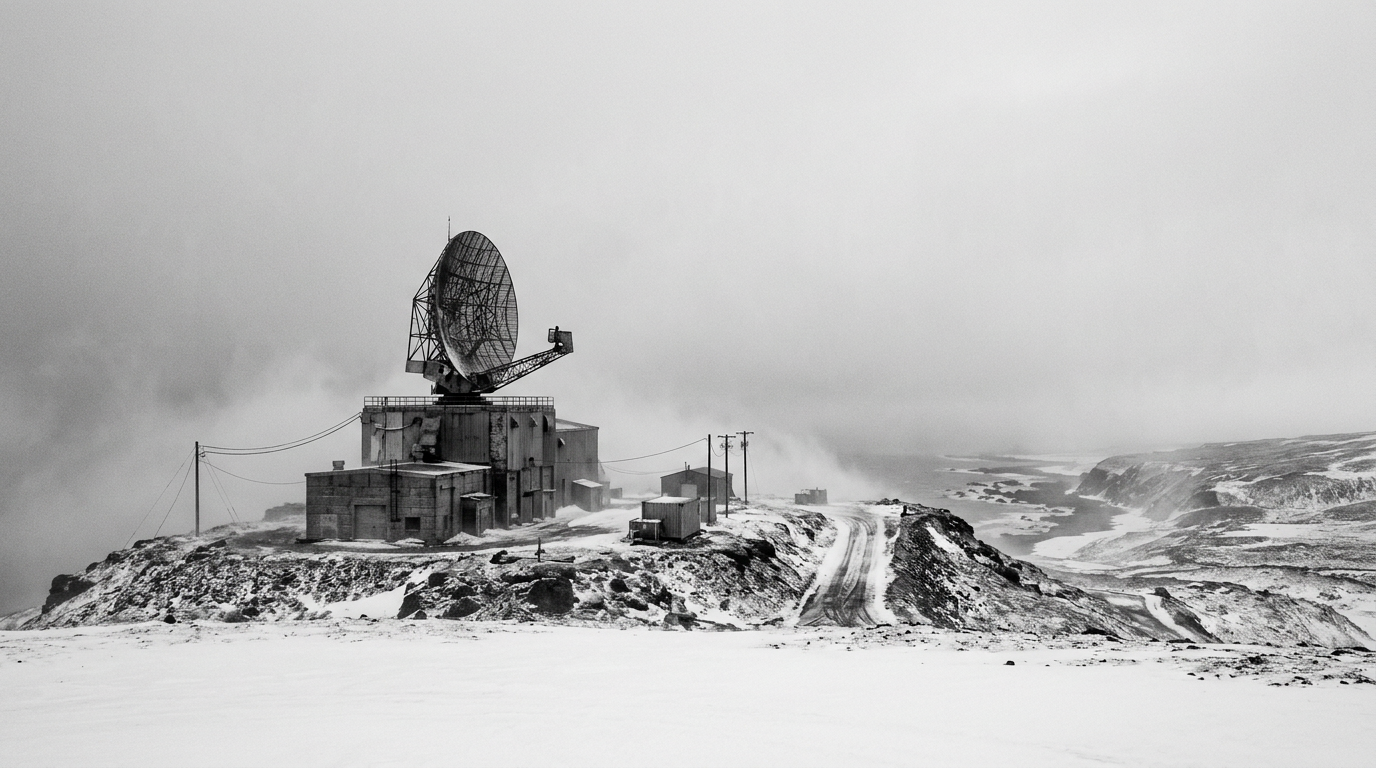
A civilian aircraft operating under contract crashed near a remote U.S. Air Force radar facility in Cape Newenham, Alaska, on Thursday, resulting in the deaths of all eight people aboard. The incident took place shortly after midday local time. The aircraft had departed from Anchorage International Airport and was destined for the Cape Newenham Long Range Radar Site.
The U.S. Air Force Alaskan Command confirmed the details of the crash, stating that no survivors were found among the two pilots and six passengers. This specific radar site, situated approximately 450 miles (725 kilometers) west of Anchorage, plays a crucial role in the Alaska Radar System, which is responsible for monitoring regional airspace.
Investigation Underway
Transportation Safety Board (NTSB) has launched an investigation to ascertain the cause of the tragic accident. Authorities will not release the identities of those who perished until their next of kin have been formally notified.
Lieutenant General Robert Davis, who commands the Alaskan Command, issued a statement acknowledging the deceased as "dedicated professionals carrying out a vital mission in a demanding environment." His comments highlighted the critical nature of the work performed by those involved in operations at such remote military facilities.
Military Support and Coordination
The U.S. military command is actively involved in coordinating recovery efforts at the crash site. Additionally, they are providing support to the families of the individuals affected by the mission. These operations often involve specialized personnel and equipment due to the challenging terrain and remote location.
The Cape Newenham site, like others in the Alaska Radar System, is a vital part of national defense infrastructure, ensuring continuous surveillance of the region's airspace. Accidents involving civilian contractors supporting military operations underscore the inherent risks associated with maintaining these essential, often isolated, facilities.
The investigation by the NTSB will focus on various factors, including aircraft maintenance records, weather conditions at the time of the crash, and flight data, to piece together the sequence of events that led to the fatal incident. The findings are expected to provide critical insights to prevent similar occurrences in the future.