Tesla Megapack 3 starts production at new Texas site
Tesla Megapack 3 production has begun in Texas at a factory designed to build 50 GWh of grid batteries a year.
Amira Hassan ·
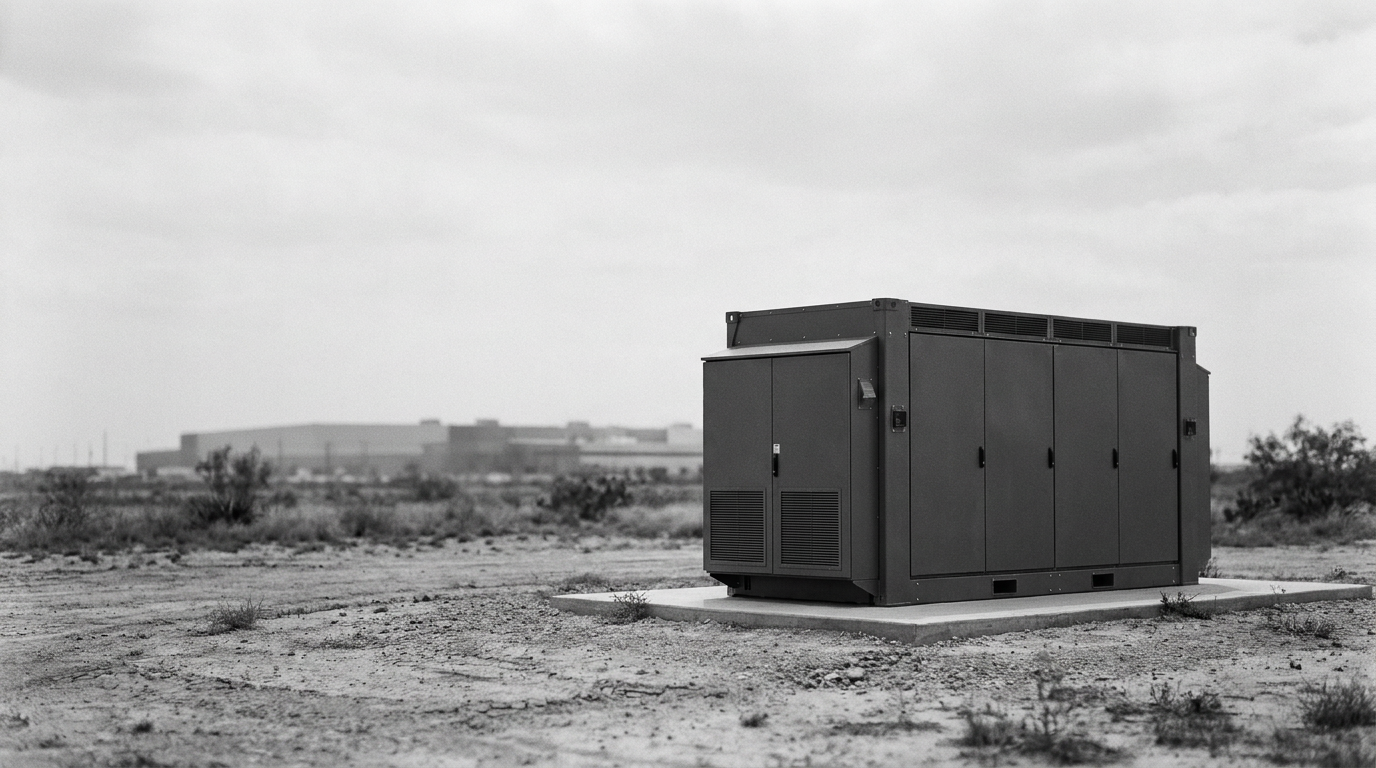
Tesla Megapack 3 production has begun in Brookshire, Texas, giving Tesla a 50 GWh-a-year battery line for grid customers.
The first units are coming off the line at Tesla’s new Megafactory, the company said through its Megapack account on Wednesday. The start turns last September’s Megapack 3 and Megablock reveal into a manufacturing program rather than a specification sheet.
Brookshire line reaches first units
The Brookshire plant moved from groundbreaking to production in 16 months, according to Tesla. That timeline is now the clearest dated marker for the company’s buildout of its next generation of grid-scale battery manufacturing in Texas.
Tesla said the site has “a designed capacity of 50 GWh/year dedicated to Megapack 3.” Designed capacity is not the same as current output, so the next test is how quickly the line moves from initial units to sustained production.
Fifty GWh frames the scale
The 50 GWh annual figure matters because it defines the ceiling Tesla is putting on the Brookshire line before any future expansion. It also gives customers and competitors a concrete benchmark for how much Megapack 3 supply the company intends to support from Texas.
https://x.com/Tesla_Megapack/status/2085163367506059461
Tesla has not said in the provided announcement how many units have been completed, when commercial deliveries will begin, or how quickly the plant will approach its design rate. Those gaps limit any near-term assessment of revenue timing or shipment volume.
Energy density changes the offer
The Megapack 3 is designed to place roughly 28% more energy into the same physical footprint as the Megapack it replaces, Tesla said. For battery projects where land, installation space, or enclosure count matters, that density change is the main product shift in the announcement.
The mechanism is straightforward: more stored energy in the same area can improve project design flexibility if performance, cost, and delivery schedules hold. Tesla did not provide pricing in the source material, so the financial effect for customers cannot be calculated from the announcement alone.
The Megablock reveal last September set out the product architecture before Tesla had shipped a unit. Brookshire’s first production now gives the company a manufacturing base for that system, although the source does not state whether the first units are customer-bound or part of production validation.
Grid battery sector gets a marker
For Tesla, the immediate effect is operational: a new Texas factory is producing the battery model that will replace the earlier Megapack generation. If the line scales toward its 50 GWh design capacity, Tesla would have a larger dedicated platform for grid-storage orders.
For the wider sector, the 28% density increase gives competing grid-battery suppliers a clearer product benchmark. Project developers may compare future offers not only on price and delivery, but also on how much energy can be installed within a fixed site footprint.
The global macro effect remains tied to execution rather than the production-start announcement alone. If Brookshire output reaches regular shipment levels, the added supply could support grid-storage deployment where procurement depends on available battery capacity; if the ramp is slower, the near-term macro impact stays limited.
Execution sets the next test
The main uncertainty is the production ramp. A factory can begin output well before it reaches its designed annual rate, and Tesla has not provided a schedule for moving from first units to full utilization.
Two paths follow from the available facts. If Tesla converts the 16-month buildout into steady production, the company strengthens its grid-storage manufacturing base, customers gain a denser Megapack option, and the sector gets more supply pressure around large battery projects.
If Brookshire takes longer to approach its 50 GWh design capacity, the announcement still marks a product transition, but the commercial effect would be deferred. The next hard indicators are delivery timing, customer deployments, and any Tesla disclosure that ties Megapack 3 output to energy-storage revenue.