AI Just Became Your Boss and It’s Hiring Humans
A new wave of digital labor platforms is emerging where AI agents act as managers, hiring humans on demand for tasks machines cannot perform.
Jason Kwon ·
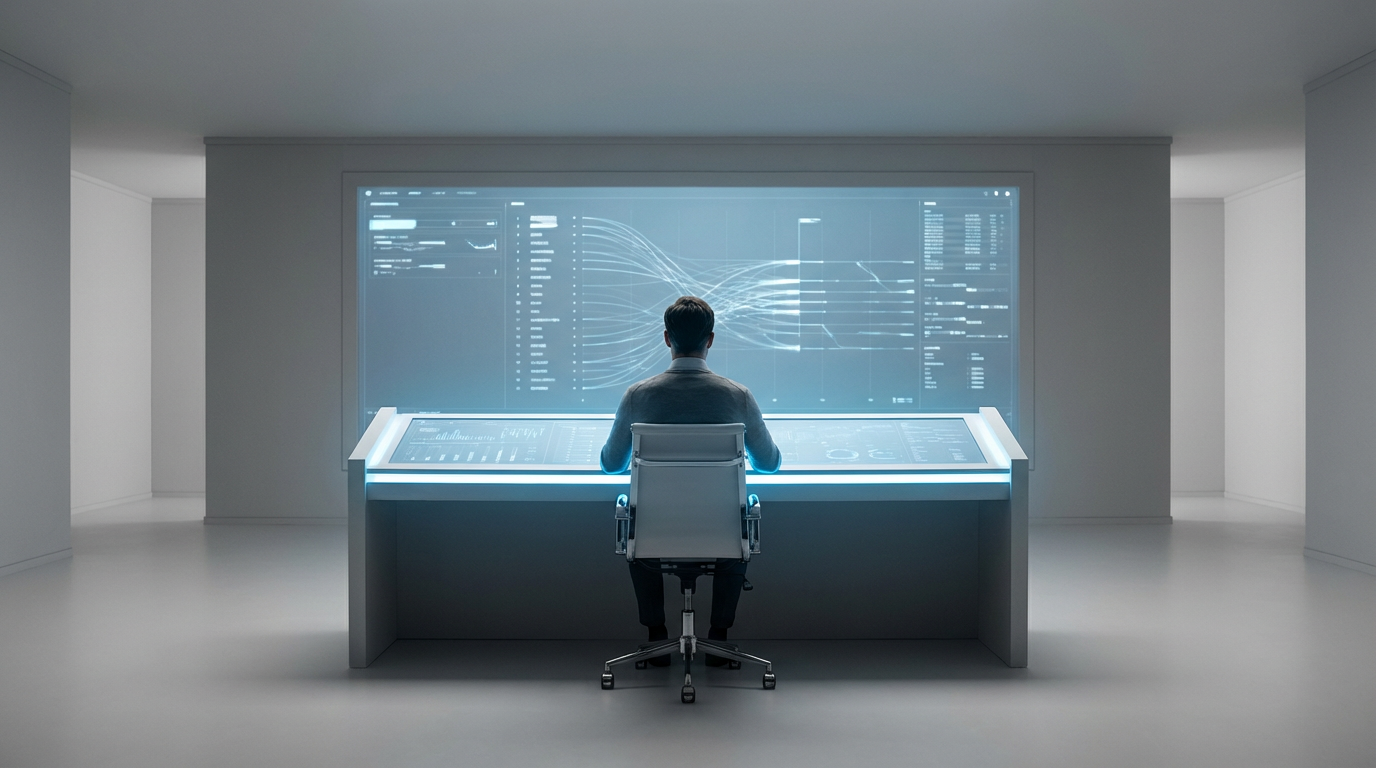
A new class of digital labor platforms is emerging, allowing artificial intelligence agents to hire humans on demand—marking a shift in how work is organized and executed in the AI era.
The concept, once framed around automation replacing human workers, is evolving into something more complex. Instead of eliminating people from workflows, AI systems are increasingly embedding human labor within them—calling on individuals only when needed to complete tasks machines cannot handle.
One such platform, recently tested by a technology founder through his own AI agent, demonstrated how seamlessly this model can function. The agent, tasked with completing work beyond its capabilities, was able to recruit human assistance in real time. The experience, described as “frictionless and smooth,” points to how quickly this model could scale.
At the core of this shift is the rise of AI agents as coordinators of labor. These systems are no longer just tools; they are becoming managers. They break down complex objectives into smaller tasks, route those tasks to either machines or humans, and escalate problems when something fails.
In this structure, humans are no longer overseeing systems. Instead, they are being deployed by them.
This inversion has significant implications for the nature of work. Traditional employment—defined by roles, responsibilities, and ongoing participation—is giving way to a more fragmented model. Workers are not hired for entire jobs but are instead pulled into highly specific moments: resolving an edge case, correcting an error, or completing a task that falls outside an AI’s capabilities.
Once the task is complete, they exit the workflow.
The result is a redefinition of labor itself. The unit of work is no longer a function or a role—it is the exception. As AI systems continue to improve, the human contribution may increasingly be reserved for the unpredictable margins where automation breaks down.
For now, these platforms remain early-stage. But they offer a glimpse into a future where AI doesn’t replace humans outright—it orchestrates them.