

Japanese Prime Minister Takaichi Adjusts Diplomatic Rhetoric Toward China
Prime Minister Takaichi has adopted a more conciliatory rhetorical stance toward China, including the formal acceptance of the 1995 Murayama Statement, to…
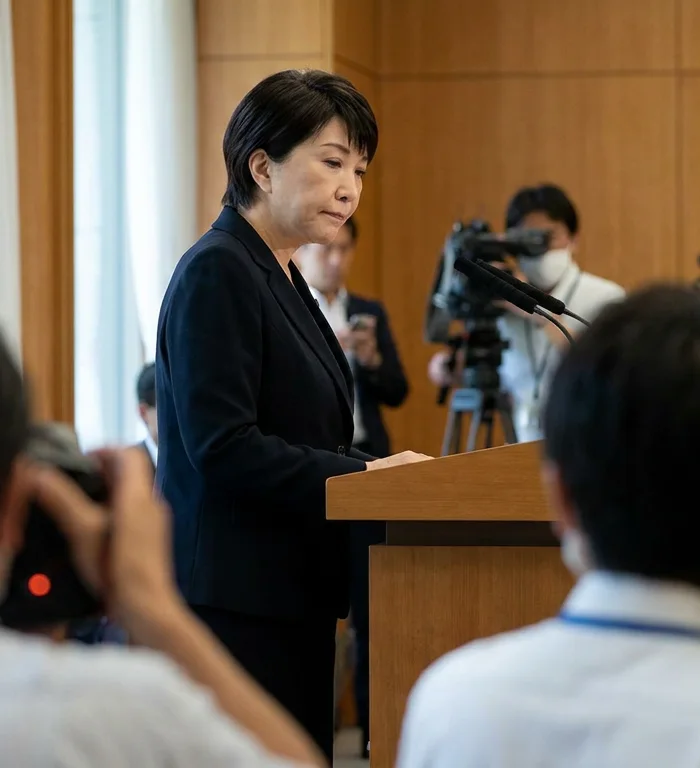
Japanese Prime Minister Takaichi Sanae has signaled a shift in diplomatic posture toward China, most notably through her October 2026 decision to formally accept the 1995 Murayama Statement. This move aligns her administration with the 1998 Japan-China Joint Declaration, a foundational document she had previously avoided explicitly endorsing. This pivot is viewed as a strategic effort to establish a baseline for future bilateral engagement, despite ongoing tensions.
Recent policy speeches reflect a calculated evolution in language regarding security and bilateral ties. While early 2026 addresses explicitly criticized China’s military activities in the East and South China Seas, the most recent October 2026 speech removed direct references to China when discussing the deteriorating regional security environment. This change in rhetoric suggests a move toward de-escalation or a desire to decouple security concerns from broader diplomatic dialogue.
Despite these rhetorical adjustments, the prospects for a high-level summit between Prime Minister Takaichi and President Xi Jinping at the upcoming APEC summit in Shenzhen remain low. While business and parliamentary exchanges have seen incremental movement, the cancellation of high-profile delegations indicates that structural barriers to normalization persist. Beijing continues to monitor Takaichi’s policy on Taiwan, which the Japanese government maintains remains consistent with 1972 agreements.
The administration’s current strategy appears to be a balancing act: maintaining the established framework of a "mutually beneficial relationship based on common strategic interests" while navigating domestic political pressures and regional security volatility. Observers should monitor whether the acceptance of the Murayama Statement facilitates a thaw in diplomatic channels or if the underlying security friction continues to impede substantive progress. The shift in language suggests that the administration is prioritizing the preservation of stable communication lines over the explicit public confrontation seen earlier in the year.
More stories
- Germans oppose Ukraine aid as poll shows support slipping
- Kim Jong-un receives 10 envoys after constitutional shift
- Ukraine claims Libya strike sinks Russian naval corvette
- COP31 climate talks collapse over fossil fuels and funds
- Russian military faces 1,087 recorded suicides in Ukraine war
- US faces China, Russia in Africa minerals contest
- Spanish workers stage first general strike in 14 years
- Singapore faces 400-post Indonesia disinformation push
- Pedro Sánchez ties US midterms to Spain’s election fight
- Ethiopian Human Rights Commission puts Shirka toll at 48
Latest news
- Trump prepares tariffs on China and other major exporters
- New-car buyers pay record average $50,087 in October
- Banks face ECB reserve debate over liquidity and profits
- Investors see Anthropic debut gains fade below $83 a share
- Iraq orders federal control over Kurdish-area oilfields
- Nvidia shares retreat as AI rally cools before PCE data
- Macy’s parade faces balloon limits as storm winds approach