

High-Dose Influenza Vaccination Linked to 55% Lower Alzheimer’s Risk
New research indicates that high-dose flu vaccines may reduce the risk of Alzheimer’s disease in older adults by 55%, suggesting potential shifts in…
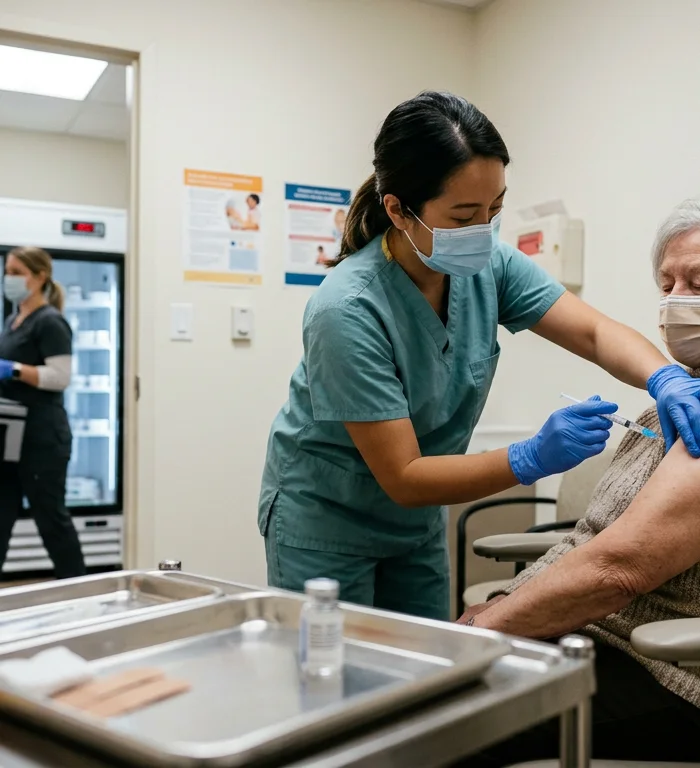
A study of nearly 200,000 adults aged 65 and older indicates that high-dose influenza vaccines are associated with a 55% reduction in the risk of developing Alzheimer’s disease. This finding represents a significant increase in efficacy compared to the 40% risk reduction previously observed with standard-dose influenza vaccines.
The research, conducted by medical experts, highlights a potential correlation between immune system stimulation and long-term cognitive health. High-dose vaccines contain four times the influenza antigen concentration of standard-dose versions, specifically designed to compensate for age-related immune system decline in older populations.
Public health implications are substantial given that Alzheimer’s disease currently affects over 7 million Americans aged 65 and older, with prevalence projected to double by 2050. The study suggests that vaccine formulation choice may serve as a critical variable in preventative geriatric care strategies.
Supply chain constraints currently limit the availability of Supply chain constraints currently limit the availability of high-dose vaccines, occasionally forcing providers to administer standard-dose alternatives to the elderly. These findings may influence future public health procurement priorities and clinical guidelines regarding preferred vaccination protocols for high-risk demographics.
While the data establishes a strong statistical link, further investigation is required to determine the precise biological mechanisms by which enhanced immune responses influence neurodegenerative processes. Policymakers and healthcare administrators may need to evaluate whether increasing the supply of high-dose vaccines provides a cost-effective strategy for reducing the long-term economic burden of dementia care.
More stories
- NIH-funded researchers map basal ganglia at single-cell resolution
- PFOS levels track 93% higher aggressive breast cancer rate
- Fructose may weaken ovarian cancer cell bonds after chemotherapy
- High-intensity sports raise bone markers by up to 46%
- Plant-based dairy swaps may lower iodine intake
- Adults 50 to 64 reach 7.5% heavy-drinking rate
Latest news
- FAA halts US departures after communications disruption
- Europe faces unity test as Trump revives Ukraine diplomacy
- Democrats push AI regulation as two state veterans arrive
- Lutnick faces AI chip scrutiny as Bessent faults Commerce
- AI investment boom binds global suppliers to US spending
- Senate Democrats face leadership fight after midterm gains
- Trump extends Jones Act waiver for another 90 days: official
- Russia reports 1% growth as refinery output declines 18%