Strait of Hormuz escorts pause after ship attack report
Strait of Hormuz escorts were paused after a cargo ship reported being hit near Oman, renewing fears the Iran war truce may unravel.
Atlas Newsdesk ·
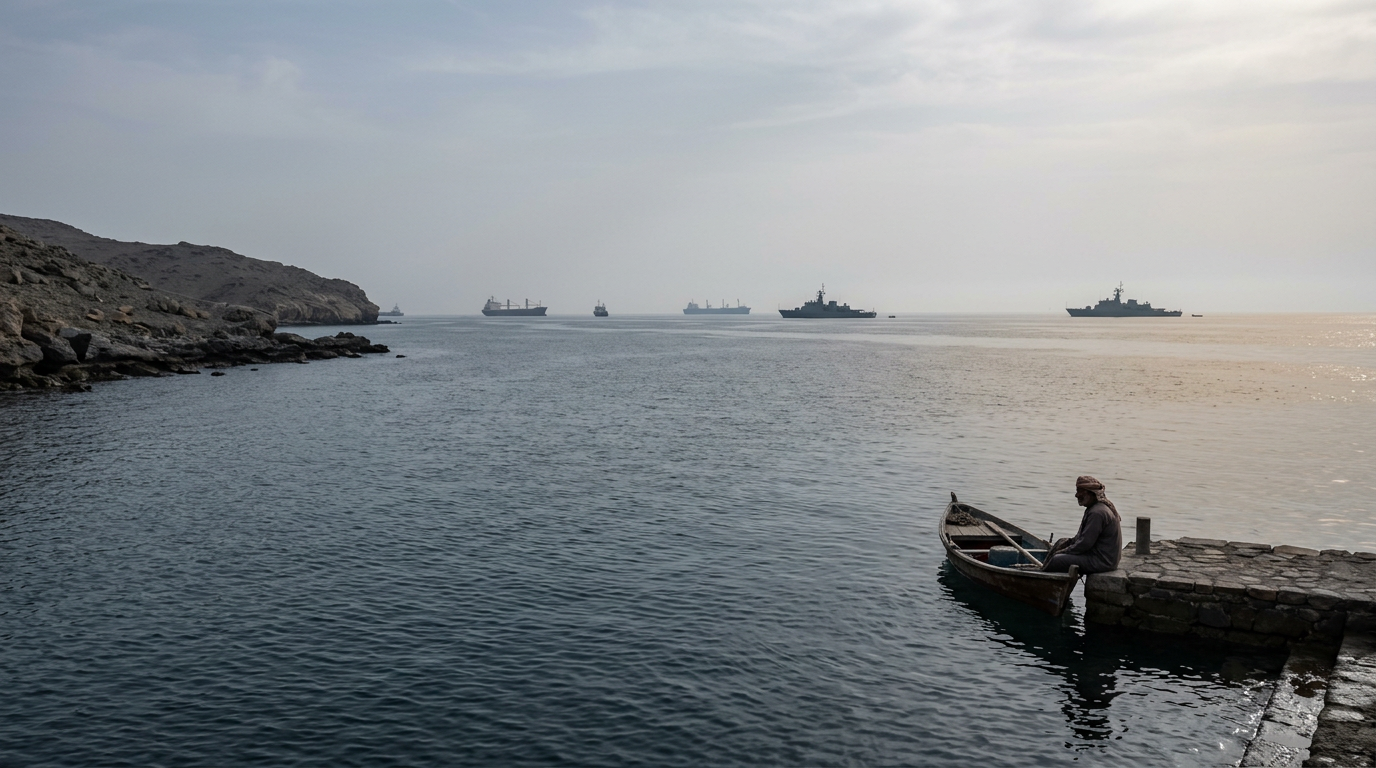
Strait of Hormuz transit security tightened on June 25 after a reported strike on a commercial vessel near Oman led a U.N.-linked maritime body to suspend escort activity.
The halt came as regional shipping rules hardened and fresh warnings from Tehran raised uncertainty over whether a preliminary understanding to end the Iran war will keep the waterway open.
Escort activity paused after reported projectile strike
The U.N. International Maritime Organization paused its ship-escort operation through the Strait of Hormuz on Thursday following a report that a vessel had come under attack.
The United Kingdom Maritime Trade Operations (UKMTO), a British navy liaison agency that relays incident reports for commercial shipping, said the cargo ship indicated it had been hit by a projectile close to Oman.
Four sources identified the vessel as the Singapore-flagged Ever Lovely . A security source said the pattern of the incident suggested a drone may have been involved.
Two U.S. officials said Iran fired on the ship, according to information shared with Reuters. Iranian authorities did not immediately confirm that account.
Iran issues routing warning and limits safety assurances
The incident was reported hours after Iran warned vessels against using routes that it had not approved, adding a new layer of procedural risk for operators planning transits.
Iran’s Persian Gulf Strait Authority, which Tehran created to manage ship requests for passage, said it would not guarantee safe transit for vessels that sail outside routes it designates.
The authority said consequences linked to travel via “unauthorized routes” would fall on a ship’s owner, operator and commander. The statement effectively shifts responsibility for security outcomes onto commercial decision-makers.
For shipping companies, that posture can complicate compliance planning, insurance considerations and voyage timing. Operators often balance the shortest route with risk advisories, naval guidance and port schedules.
Ceasefire durability tested as U.S. warning lingers
The escort pause revived concerns in energy and shipping markets about whether a preliminary deal intended to end the Iran war can prevent disruption in the Strait of Hormuz.
The strait is a narrow corridor between Iran and Oman that serves as a critical outlet for Gulf oil and gas exports, making any security incident a high-impact event even when damage appears limited.
There was no immediate public comment from the U.S. government on the reported strike. However, earlier this month U.S. President Donald Trump said Washington would likely resume bombing Iran if Tehran failed to uphold an agreement meant to end the conflict and allow the strait to reopen.
The latest episode underscores how quickly maritime risk can escalate when military tensions intersect with new administrative controls over shipping lanes. Even a single reported attack can prompt operational pauses, rerouting and higher costs.
Next steps will hinge on whether additional incidents are reported, whether escort activity resumes promptly, and whether Iran’s routing framework becomes a sustained requirement for commercial passage. Ship operators and insurers are expected to watch official advisories from UKMTO, regional authorities and any U.N.-linked maritime coordination closely.