Strait of Hormuz traffic lifts as $125bn stays stuck
Strait of Hormuz traffic is gradually improving, but Allianz estimates about $125 billion in ships and cargo and over 1,150 vessels remain in the Gulf.
Atlas Newsdesk ·
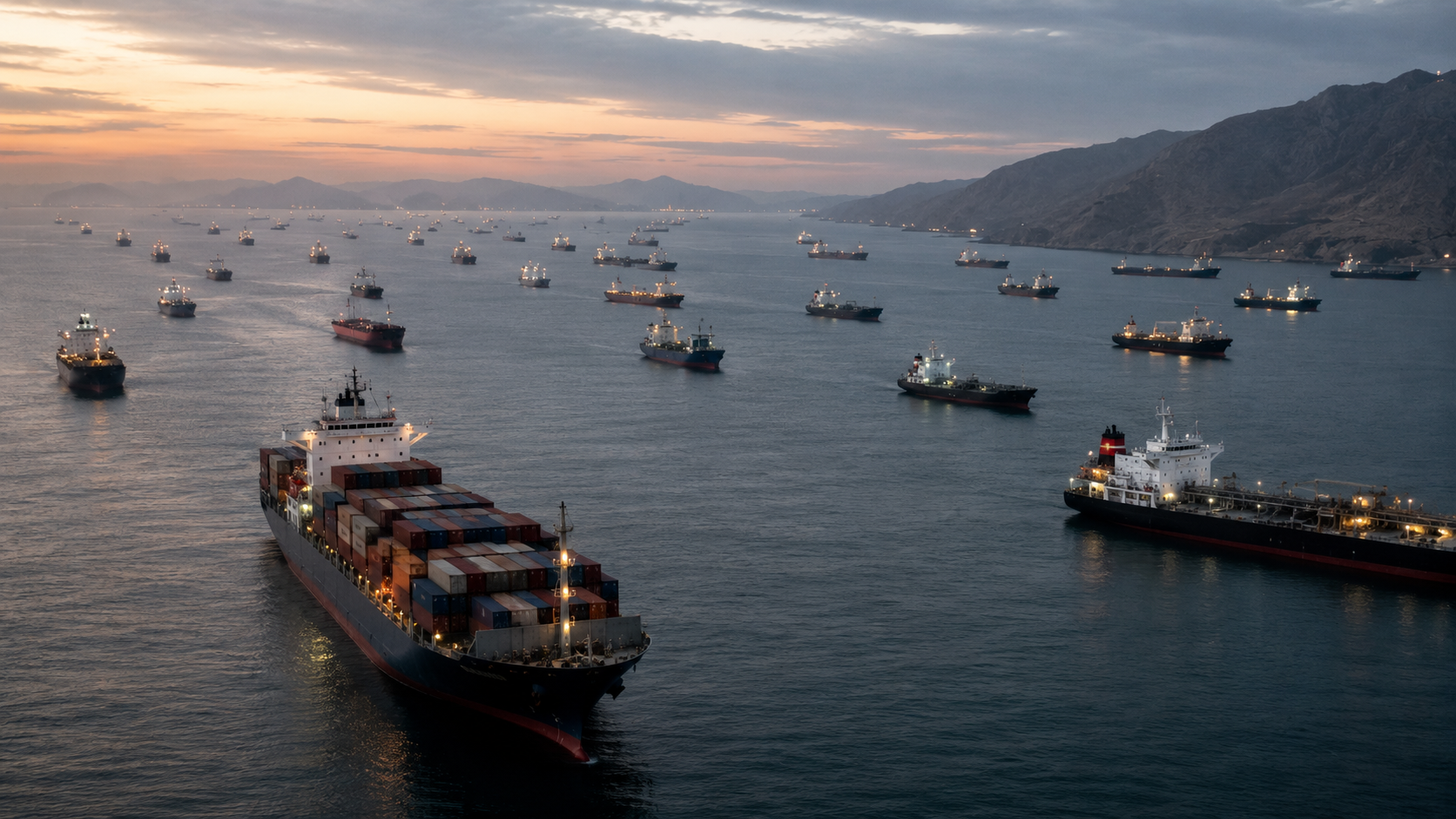
Strait of Hormuz traffic is edging higher, easing pressure on oil prices, but Allianz says about $125 billion in ships and cargo remains effectively bottled up inside the Gulf.
The insurer estimates more than 1,150 cargo vessels are waiting for an opportunity to exit, with thousands of seafarers still on board. Even as some ships resume normal broadcasting, the security environment is keeping many operators cautious.
Allianz: backlog could clear, but risks remain acute
Allianz said that if transit flows recover to levels seen before the recent conflict, the queue of vessels could be reduced quickly. In practice, the pace of normalisation depends on how shipowners and charterers assess immediate threats at sea.
Shipping companies are weighing the possibility of Iranian sea mines and missile strikes when deciding whether to sail. Those hazards, combined with uncertainty about rules being imposed in the waterway, have kept a significant number of ships waiting rather than proceeding.
Allianz also highlighted changes in vessel behaviour, including a growing willingness among some crews to keep transponders on. The decision to transmit location data can support safer navigation and coordination, but operators may balance that against perceived targeting risks.
Competing route guidance raises compliance stakes
To manage traffic, Oman and the International Maritime Organization (IMO) have outlined two temporary transit routes through the strait. The aim is to create predictable corridors that reduce the chance of incidents as movements restart.
Iran, however, warned ships to use routes it had approved, calling alternative options “unacceptable and extremely dangerous.” That message introduces a fresh layer of operational risk for shipmasters who must decide which guidance carries the greatest legal and physical consequences.
The Strait of Hormuz is among the world’s most strategically sensitive maritime chokepoints, connecting Gulf exporters to global markets. Disruption there can ripple through energy pricing, marine insurance, and industrial supply chains reliant on timely cargo deliveries.
Oil price relief contrasts with insurance and supply-chain strain
The gradual improvement in movements has helped push oil prices back toward levels seen before the outbreak of hostilities. For importers and consumers, that offers near-term relief after the earlier spike in risk premiums tied to the region.
Yet Allianz’s $125 billion estimate underscores how much capital remains exposed while ships wait, including the value of hulls and cargoes. The financial impact is not limited to owners: delayed shipments can affect traders, manufacturers, and commodity buyers facing contractual penalties or shortages.
Allianz said maritime trade is moving toward a “new maritime order,” marked by higher security threats along established sea lanes and increased costs to insure voyages. Elevated war-risk pricing and tighter underwriting can translate into higher freight rates, which often filter into end-market prices over time.
For now, the industry’s next steps will hinge on whether transit routes become widely accepted and consistently enforced, and whether the perceived threat of mines or missile attacks recedes. Analysts and operators will also watch how quickly the current backlog of more than 1,150 ships begins to shrink as confidence in the corridor returns.