

Global Powers Leverage Video Gaming for Geopolitical Influence and Recruitment
Nations are increasingly utilizing the video game industry to project soft power, conduct propaganda, and facilitate military recruitment, creating new risks…
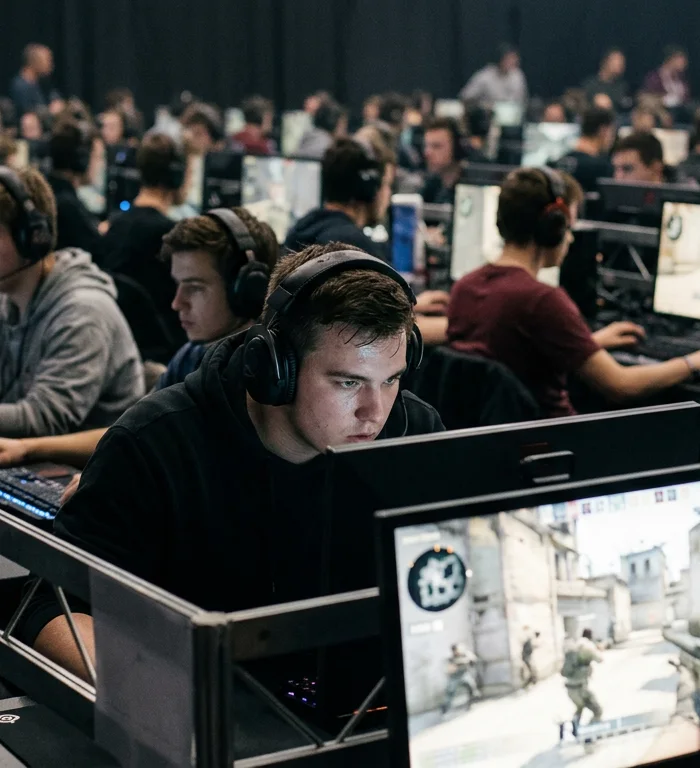
The video game industry has emerged as a significant geopolitical arena, with major titles generating multi-billion dollar revenues that rival traditional media and entertainment sectors. The latest installment of a prominent franchise has reached $1.5 billion in pre-launch sales, with projections exceeding $3 billion shortly thereafter. This scale of engagement has transformed online gaming platforms into critical "third places" where social interaction and political discourse intersect, drawing the attention of state actors.
Saudi Arabia is utilizing sovereign capital to acquire major gaming entities, including a $55 billion investment in Electronic Arts and a $3.5 billion stake in the developer of Pokémon Go. These acquisitions serve dual purposes: diversifying the domestic economy and facilitating soft power projection. Analysts note that such investments may function as a mechanism for reputation management, though industry stakeholders have raised concerns regarding potential state-mandated censorship within these platforms.
Saudi Arabia
Conversely, the Russian government is leveraging gaming as a tool for direct propaganda and military recruitment. State-aligned studios have produced titles that serve as hubs for ultranationalist discourse and anti-Ukrainian sentiment. These platforms are integrated into broader influence operations, utilizing streamers to boost morale and recruit foreign nationals for combat operations. Evidence suggests this strategy has successfully drawn foreign fighters into active conflict zones, resulting in documented casualties.
Beyond direct influence, the aesthetic and structural concepts of modern gaming are increasingly shaping state-led infrastructure projects. Futuristic urban designs, such as those seen in high-profile Saudi development initiatives, reflect visual motifs popularized by dystopian gaming franchises. This feedback loop between virtual environments and physical reality underscores the growing influence of gaming culture on national policy and geopolitical strategy. Policymakers should monitor these platforms as potential vectors for foreign influence, recruitment, and ideological dissemination.
More stories
- Germans oppose Ukraine aid as poll shows support slipping
- Kim Jong-un receives 10 envoys after constitutional shift
- Ukraine claims Libya strike sinks Russian naval corvette
- COP31 climate talks collapse over fossil fuels and funds
- Russian military faces 1,087 recorded suicides in Ukraine war
- US faces China, Russia in Africa minerals contest
- Rayner backs Burnham over UK-EU free-movement debate
- Machado returns to Venezuela, testing Rodríguez’s opening
Latest news
- Trump prepares tariffs on China and other major exporters
- New-car buyers pay record average $50,087 in October
- Banks face ECB reserve debate over liquidity and profits
- Investors see Anthropic debut gains fade below $83 a share
- Iraq orders federal control over Kurdish-area oilfields
- Nvidia shares retreat as AI rally cools before PCE data
- Macy’s parade faces balloon limits as storm winds approach