SpaceX Starship reaches orbit, deploys 26 satellites in test
SpaceX’s Starship reached orbit for the first time and deployed 26 Starlink satellites, but an engine failure shortened the planned test flight.
Jurgen Goldmeier ·
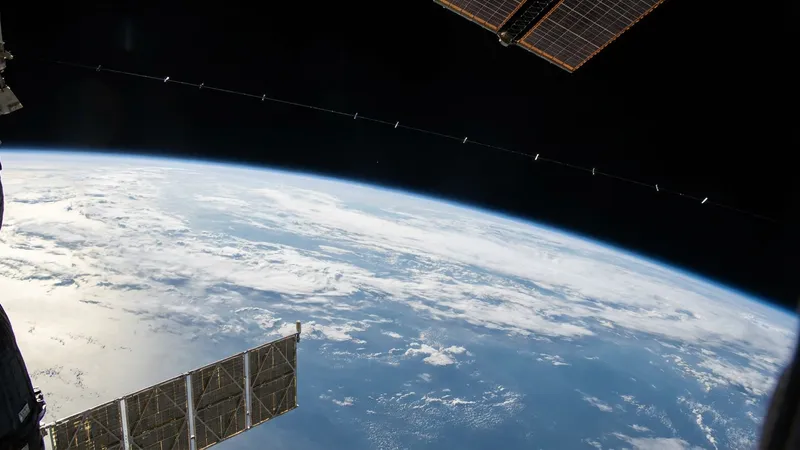
SpaceX Starship reached orbit for the first time Monday and deployed 26 Starlink satellites, advancing the rocket’s role in the network.
Raptor shutdown cut flight
Starship lifted off at 7:49 a.m. local time from SpaceX’s Starbase launch site in South Texas. The vehicle carried 26 upgraded Starlink satellites, which SpaceX said were placed into orbit and linked with the wider network.
SpaceX ended the mission about three hours after launch, compared with a roughly 10-hour flight plan. One of Starship’s six Raptor engines shut down early during ascent; after reviewing flight data, engineers proceeded with an engine burn that put the spacecraft in orbit.
Chief Executive Officer Elon Musk wrote on X: "First orbital flight of Starship successful!" SpaceX spokesperson Dan Huot said during the company livestream that the 26 satellites had connected with Starlink, while more than 1.7 million viewers watched the broadcast.
The vehicle splashed down in the Pacific Ocean near Hawaii after leaving orbit. US regulators had cleared SpaceX for the orbital attempt after earlier Starship space launches were kept short of orbit to reduce safety risks.
V3 payload joins Starlink
The flight was Starship’s 14th test launch and the first to place production-quality V3 Starlink satellites into service. SpaceX already operates a network of more than 11,000 spacecraft in orbit, according to the mission details provided by the company.
A previous Starship launch also carried V3 satellites, but those spacecraft were expected to burn up in Earth’s atmosphere rather than join the commercial system. SpaceX Chief Financial Officer Bret Johnsen has described the latest mission as a revenue-generating flight for the company.
Musk said during SpaceX’s August earnings call that the V3 model is "more than 10 times the capability of the V2 satellite, and we’ll be launching 10 times as many." He also said SpaceX expected Starlink communications revenue to rise rapidly as V3 satellites enter the network.
The Super Heavy booster, which propels Starship toward space, made a controlled splashdown off the Texas coast about seven minutes after liftoff. Starship later reentered Earth’s atmosphere at more than 26,900 kilometers per hour, or 16,715 miles per hour, before its Pacific Ocean descent.
Cadence decides Starship economics
The descent gave SpaceX another test of Starship’s heat shield, a central requirement for rapid reuse. On the previous flight, Starship survived reentry and remained intact after splashing down in the Indian Ocean, allowing SpaceX to recover the vehicle and study the shield.
SpaceX wants both major parts of the system, Super Heavy and the Starship spacecraft, to return to the launchpad after flights. The company has caught Super Heavy with the launch tower three times, while Musk had said before Monday’s launch that a strong test could lead to a first Starship catch attempt on the 15th flight.
If Monday’s orbital deployment proves repeatable, SpaceX gains a direct path to add V3 capacity with its own heavy-lift vehicle. For the company, that would support Starlink revenue; for the wider satellite sector, it would add pressure on launch pricing and broadband capacity, with limited near-term effect on global growth.
If engine reliability or reentry performance remains uneven, longer flight profiles, tower catches and rapid reuse stay harder to scale. The company would face more development cost and schedule risk, while the broader launch industry would get more time before Starship’s planned economics become a competitive benchmark.