SpaceX AI device plan signals Musk’s hardware push at xAI
SpaceX AI device prototype shown to investors could bring xAI, proprietary software and Qualcomm chips into a possible Musk handset.
Atlas Newsdesk ·
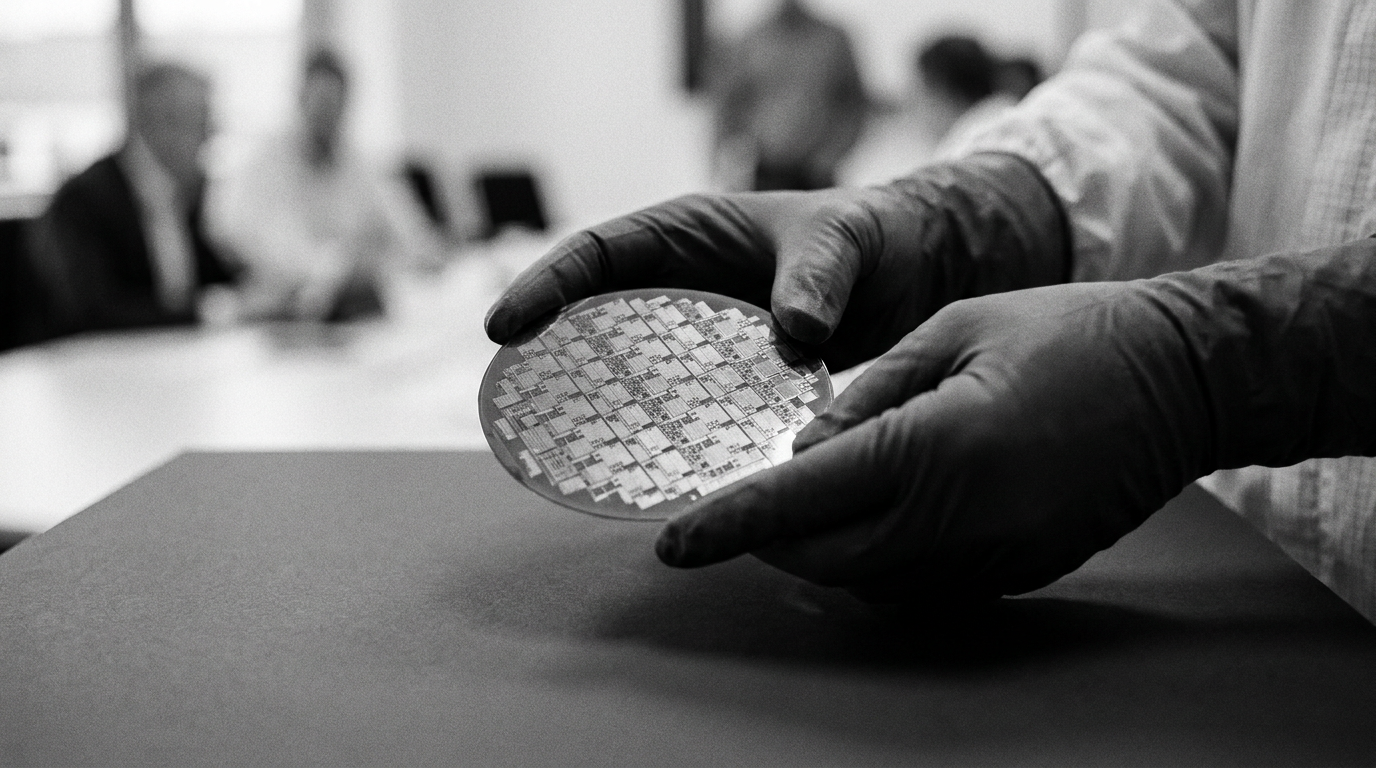
A SpaceX AI device prototype shown to investors points to a possible Musk handset using xAI software and Qualcomm silicon. The project remains early.
People familiar with the presentation said SpaceX recently displayed a handset-like prototype to investors and other parties before a possible large initial public offering. The device was described as thinner than an iPhone, with a polished design that could still change before any commercial decision.
The company has not confirmed that it will manufacture the product, and the source material said the effort was presented as preliminary. That caveat matters because hardware prototypes often serve several purposes: testing investor appetite, exploring supply options and pressuring existing platform partners.
Prototype puts xAI in hardware
The device was designed to run on a proprietary operating system and to integrate artificial intelligence tools from xAI, according to people familiar with the matter. Those details suggest a product concept built around software control rather than a simple Starlink accessory or branded Android phone.
A Qualcomm Snapdragon chipset was also described as part of the prototype plan. Qualcomm’s mobile processors already power many Android handsets, so the reported choice would place the project inside an established component ecosystem even if SpaceX tried to differentiate the operating system and AI layer.
SpaceX and Qualcomm representatives did not immediately provide comment in the source material. Without confirmation from either company, the central facts remain claims attributed to unnamed people who described investor-facing discussions.
Musk’s Apple frustration resurfaces
The project fits a longer pattern in Elon Musk’s comments about distribution power in mobile computing. He has previously criticized Apple’s control over app access, a point with direct relevance to X and to any AI service that depends on placement inside dominant mobile operating systems.
Musk has also played down the idea of entering the phone market unless forced by platform constraints. In October, he said, "The idea of making a phone makes me want to die," adding, "But if we have to make a phone, we will."
In February, Musk denied that his company was building a phone after a separate report tied such a device to Starlink connectivity. "We are not developing a phone," he posted on X, creating a public record that sits uneasily beside the newly described prototype presentation.
Hardware barriers remain steep
A new handset would face a market structured around scale, app ecosystems and carrier relationships. Even a company with SpaceX’s satellite network and Musk’s consumer following would have to solve procurement, manufacturing, software support, security updates and distribution.
The strategic logic is still clear. If SpaceX and xAI controlled the device, operating system and connectivity layer, they could reduce dependence on Apple and Google for customer access while shaping how users interact with AI services on the move.
For Qualcomm, a real SpaceX device could mean another high-profile customer for Snapdragon chips. For the wider handset sector, it would test whether AI-native devices can compete with smartphones that already have massive app libraries, mature hardware supply chains and global retail channels.
Three paths for the device
If the project remains an investor-demo prototype, the macro effect would be limited, SpaceX would gain a negotiating signal rather than a product line, and the handset industry would treat it as another AI hardware experiment. The mechanism would be optionality: a credible concept can still influence platform talks without requiring factories or carrier agreements.
If SpaceX moves toward production, the global impact would likely run through semiconductor demand, satellite connectivity and AI service distribution rather than broad economic growth. SpaceX would take on a capital-intensive consumer hardware challenge, while phone makers and chip suppliers would watch whether Starlink and xAI can create a distinct reason to switch devices.
If Apple or other platform owners tighten app policies in ways Musk views as restrictive, the handset could become leverage. That scenario would affect SpaceX by raising the value of an independent device strategy, affect the wider sector by intensifying platform-control debates, and affect global tech markets by pushing AI companies to seek direct customer channels.
The open questions are concrete: whether SpaceX commits funding, whether Qualcomm remains in the design, whether xAI features justify dedicated hardware, and whether satellite connectivity becomes part of the final pitch. Until SpaceX confirms a product plan, the prototype is best read as an early test of control over AI, apps and connectivity.