South Korea heat wave pushes ministries into alert mode
South Korea ordered emergency heat alerts after Yangsan reported 42.5C, testing public safety systems across southern regions.
Mei Lin ·
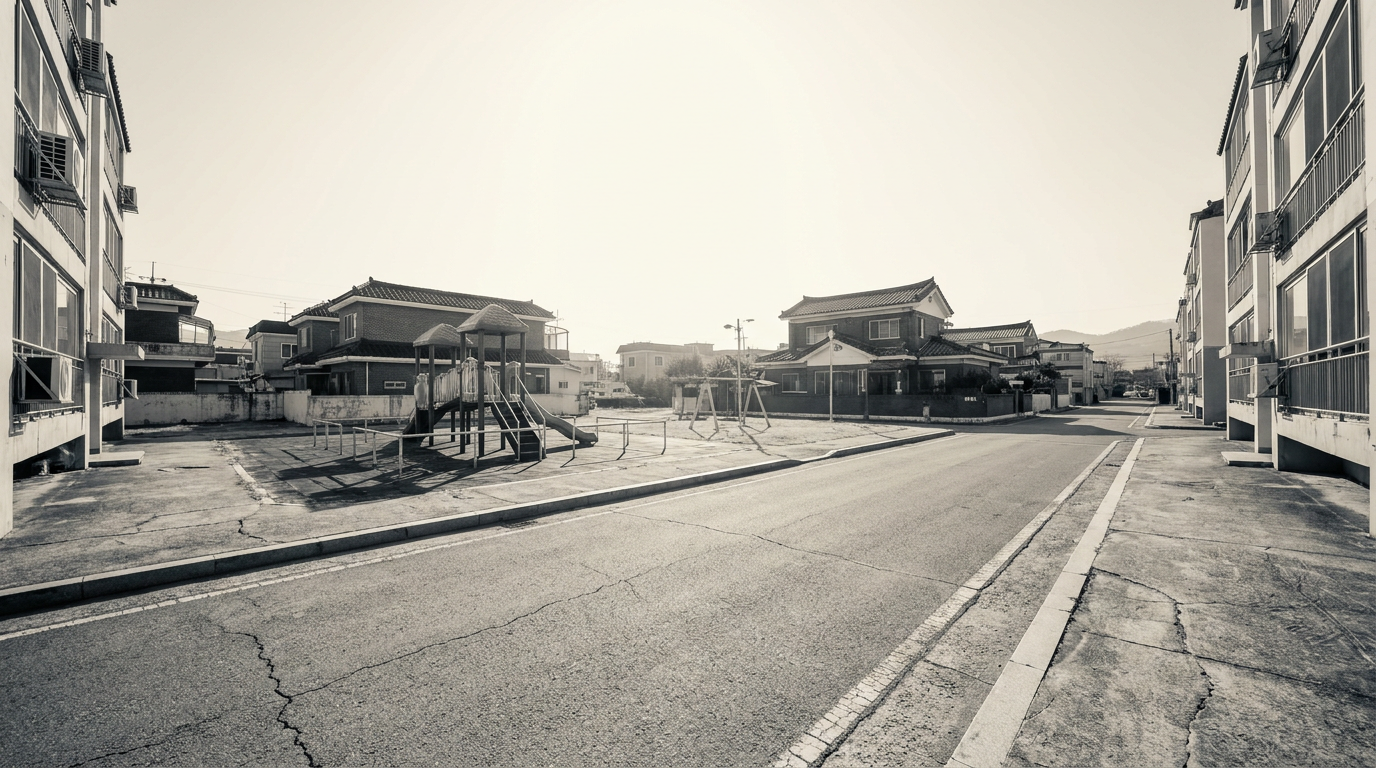
The South Korea heat wave pushed officials to order emergency alerts after Yangsan reported a national record of 42.5C on Sunday.
The order came as authorities moved from routine weather monitoring to an all-government warning effort. Prime Minister Han Seongsook directed ministries to use public broadcasters, emergency text messages, electronic information boards and village announcements to reach residents quickly.
Yangsan reading resets the record
The Korea Meteorological Administration placed southern parts of the country under a severe heat wave alert as of 1 p.m. local time. The southeastern city of Yangsan was reported at 42.5C, or 108.5F, a level described in the source report as the highest temperature recorded in South Korea since observations began in 1904.
That figure matters because it turns a regional weather emergency into a national stress test. A record temperature raises the urgency for public health warnings, especially for older residents, outdoor workers and people without reliable access to cooling.
South Korea has long used emergency messaging for typhoons, heavy rain and other public safety events. The current instructions show heat being treated with similar operational seriousness, with ministries told to push information through channels that can reach both urban commuters and rural communities.
Ministries widen warning channels
The Prime Minister’s Office said the message must travel through every practical route, not just weather bulletins. That includes mass media, mobile alerts, roadside or station information boards and village broadcast systems often used in smaller communities.
The Interior Ministry also plans to send director general-level officials to inspect local responses. The planned checks cover the Seoul metropolitan area, South Gyeongsang Province and other southern regions where heat pressure is most acute.
Those inspections give the central government a way to identify weak points before they become larger failures. Local governments may need support for cooling centers, health outreach, emergency staffing or coordination with transport and utility operators.
Public systems face heat strain
The direct burden falls first on South Korea’s emergency management network rather than on a single company. No company was named in the source material, but the wider affected sectors include power providers, transport operators, hospitals, schools, construction firms and logistics businesses that must manage worker safety and cooling demand.
For the power sector, the mechanism is straightforward: extreme heat usually increases air-conditioning use, which can lift peak electricity demand. For transport and construction, the risk is operational disruption if outdoor conditions force schedule changes or additional worker protections.
The macro channel is narrower but still relevant. If record heat persists in a major industrial economy, it can reduce labor productivity in exposed sectors and add pressure to energy systems at the same time, even without an immediate hit to factory output.
Two paths for Seoul’s response
If the severe alert fades quickly, the main impact is likely to remain concentrated in emergency messaging, local inspections and short-term health precautions. Under that path, the global macro effect would be limited, the central government would claim a coordination test, and utilities and local services would absorb a brief demand spike.
If high temperatures continue, the problem becomes more expensive and more complex. Longer heat stress could raise cooling demand, strain hospitals and force employers in outdoor industries to adjust work patterns, while Seoul would face pressure to show that national instructions are translating into local protection.
The main uncertainty is whether Yangsan’s record-level heat remains an isolated extreme or signals a broader spell across southern South Korea. The next indicators are official alert updates, emergency room reports, local inspection findings and any signs of electricity or transport stress.