School uniform reuse scheme launches in London
A new school uniform reuse scheme has launched in London, aiming to ease financial burdens on families and promote environmental sustainability.
Cuneyd Erdogan ·
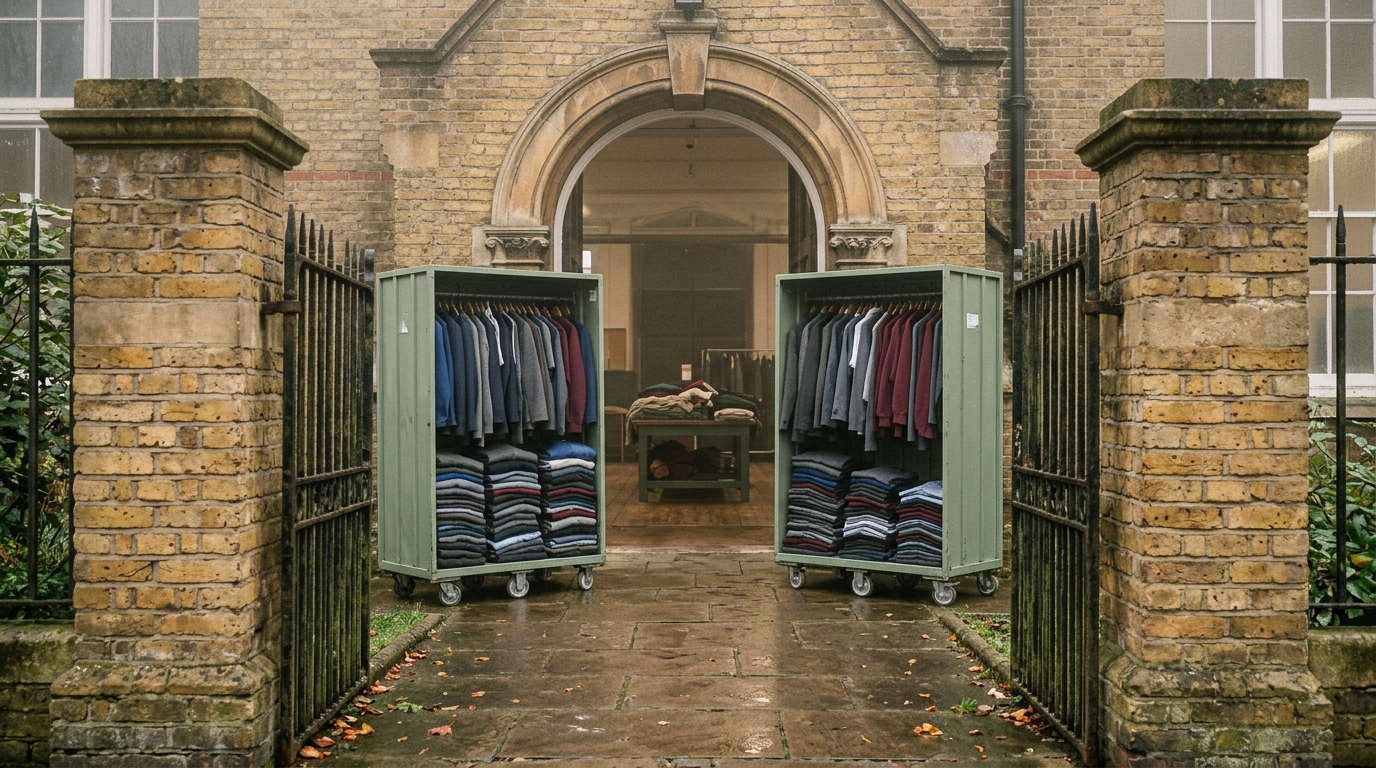
A new program designed to facilitate the reuse of school uniforms has commenced in London. This initiative aims to alleviate financial burdens on families and promote environmental sustainability by extending the lifecycle of school clothing. The scheme addresses the significant costs associated with purchasing new uniforms annually and the environmental impact of textile waste.
Addressing Financial Pressures
The launch of the uniform reuse scheme directly responds to the increasing financial strain on households across the UK, particularly in London. Many families struggle with the recurring expense of school uniforms, which can amount to hundreds of pounds per child each academic year. This program offers a practical solution by providing access to pre-owned, good-condition uniforms at little to no cost.
Environmental Sustainability Goals
Beyond financial relief, the initiative underscores a commitment to environmental sustainability. Textile waste is a growing concern, with a substantial volume of clothing ending up in landfills annually. By encouraging the reuse and recycling of school uniforms, the scheme contributes to reducing waste, conserving resources, and lowering the carbon footprint associated with clothing production and disposal.
Operational Framework
The program typically operates through community hubs, local charities, and school-based collection points. Families can donate outgrown or unused uniforms, which are then sorted, cleaned, and made available to others. Some schemes might involve pop-up shops, online platforms, or direct distribution through schools to ensure accessibility for all eligible families.
Broader Context of Uniform Costs
School uniform costs have been a subject of national debate in the United Kingdom for several years. Government guidance, such as that issued by the Department for Education, encourages schools to keep uniform policies affordable and to consider second-hand options. This London-based scheme aligns with these broader efforts to make education more equitable and accessible.
Community Engagement and Support
The success of such initiatives relies heavily on community participation. Schools, parent-teacher associations, local councils, and volunteer groups often collaborate to manage collections, sorting, and distribution. This collaborative approach fosters a sense of community support and shared responsibility for both financial welfare and environmental stewardship.
Potential Economic and Social Impact
Economically, the scheme can free up household budgets, allowing families to allocate funds to other essential needs. Socially, it helps reduce the stigma sometimes associated with financial hardship, ensuring all children can attend school with appropriate attire without their families facing undue stress. The program also educates students and parents about the benefits of a circular economy.
Future Expansion and Replication
Similar uniform reuse programs have been successfully implemented in various towns and cities across the UK. The London initiative could serve as a model for further expansion within the capital and potentially inspire other regions to adopt similar strategies. Its effectiveness will likely be measured by the number of families supported and the volume of uniforms diverted from waste streams.
Implications
Country Impact: The initiative could influence national policy discussions on school uniform affordability and sustainability. It highlights a growing trend towards circular economy principles in public services across the UK.
Industry Impact: The program may subtly impact the retail sector for school uniforms by increasing demand for second-hand items. It also promotes textile recycling and reuse, potentially fostering new community-based enterprises.
Market Impact: While direct market impact is limited, the scheme reflects broader consumer trends towards sustainability and cost-saving. It could indirectly influence investment in sustainable textile solutions and community support infrastructure.