Cuba Confirms Talks with US Officials Amid Sanctions
Cuban President Díaz-Canel confirmed talks with US officials to address bilateral differences amid the ongoing economic embargo.
Cuneyd Erdogan ·
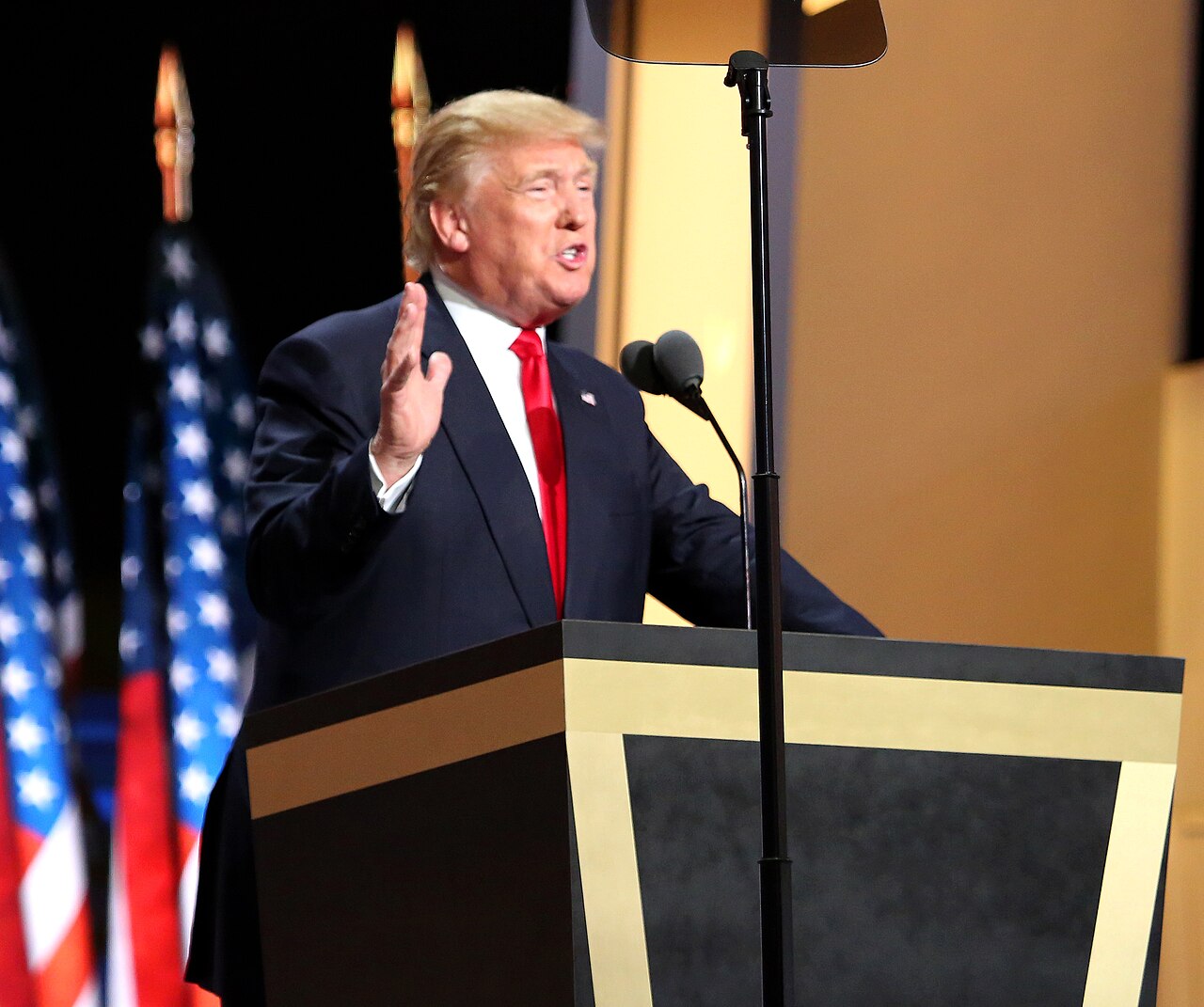
Cuban President Miguel Díaz-Canel recently confirmed that officials from Havana have engaged in discussions with the United States government. These talks were reportedly focused on addressing bilateral disagreements between the two nations. The announcement was made by Díaz-Canel in a video broadcast on Cuban national television on Friday.
The Cuban leader indicated that the primary objective of these negotiations was to "find solutions through dialogue" to the existing differences. This development occurs as Cuba faces significant economic challenges and continued pressure from the United States, particularly regarding the long-standing economic embargo.
Diplomatic Engagements
The confirmation of these discussions by President Díaz-Canel marks a notable, albeit cautious, step in the complex relationship between Cuba and the United States. While the specific details of the talks remain undisclosed, the emphasis on "bilateral differences" suggests a broad agenda.
Historically, diplomatic engagement between the two countries has fluctuated significantly. The current dialogue follows a period of heightened tensions, particularly during the previous U.S. administration, which reimposed and tightened various sanctions against the island nation.
Economic Context and US Policy
Cuba is currently navigating a severe economic crisis, characterized by shortages and inflationary pressures. The Cuban government frequently attributes these economic difficulties, in part, to the comprehensive U.S. economic embargo, often referred to as a "blockade" by Havana.
The U.S. policy towards Cuba has historically been driven by a combination of national security concerns, human rights considerations, and the influence of the Cuban-American diaspora. Sanctions, including restrictions on trade, travel, and financial transactions, have been a central component of this policy since the early 1960s.
Previous Administrations and Engagement
During the Obama administration, there was a significant thaw in U.S.-Cuba relations, leading to the re-establishment of diplomatic ties and an easing of some restrictions. This period saw increased travel and commercial exchanges, signaling a potential shift towards normalization.
However, the subsequent Trump administration reversed many of these policy changes, reimposing sanctions and adding Cuba to the list of state sponsors of terrorism. This reversal significantly curtailed the progress made and intensified economic pressure on the Cuban government.
Outlook for Future Relations
The recent confirmation of talks, even if limited in scope, suggests a potential willingness from both sides to explore avenues for de-escalation or resolution of specific issues. However, the deeply entrenched nature of the bilateral differences and the domestic political considerations in both countries mean that any significant breakthroughs are likely to be gradual and incremental.
Future developments will depend on the willingness of both governments to sustain dialogue and find common ground on issues ranging from economic cooperation to human rights and regional stability. The ongoing economic situation in Cuba will likely continue to be a key factor influencing its approach to these discussions.
Implications
Country Impact: Cuba's economy, already under severe strain, could see marginal relief if these talks lead to any easing of sanctions, though significant changes are unlikely in the short term. The confirmation of dialogue might also bolster the government's domestic narrative of seeking solutions.
Industry Impact: Industries reliant on international trade and tourism, particularly those in Cuba, could benefit from any future relaxation of restrictions. However, the current impact on global industries remains minimal given the limited scope of the confirmed talks.
Market Impact: Global financial markets are unlikely to react significantly to this news, as the talks are preliminary and the U.S. embargo remains largely in place. Any future substantial policy shifts, however, could influence specific commodity markets or investment flows into the Caribbean region.