Venice Biennale Faces EU Funding Cut Over Russia Plan
The European Commission threatens to suspend a €2 million grant to the Venice Biennale if it includes Russia, citing ethical breaches.
Cuneyd Erdogan ·
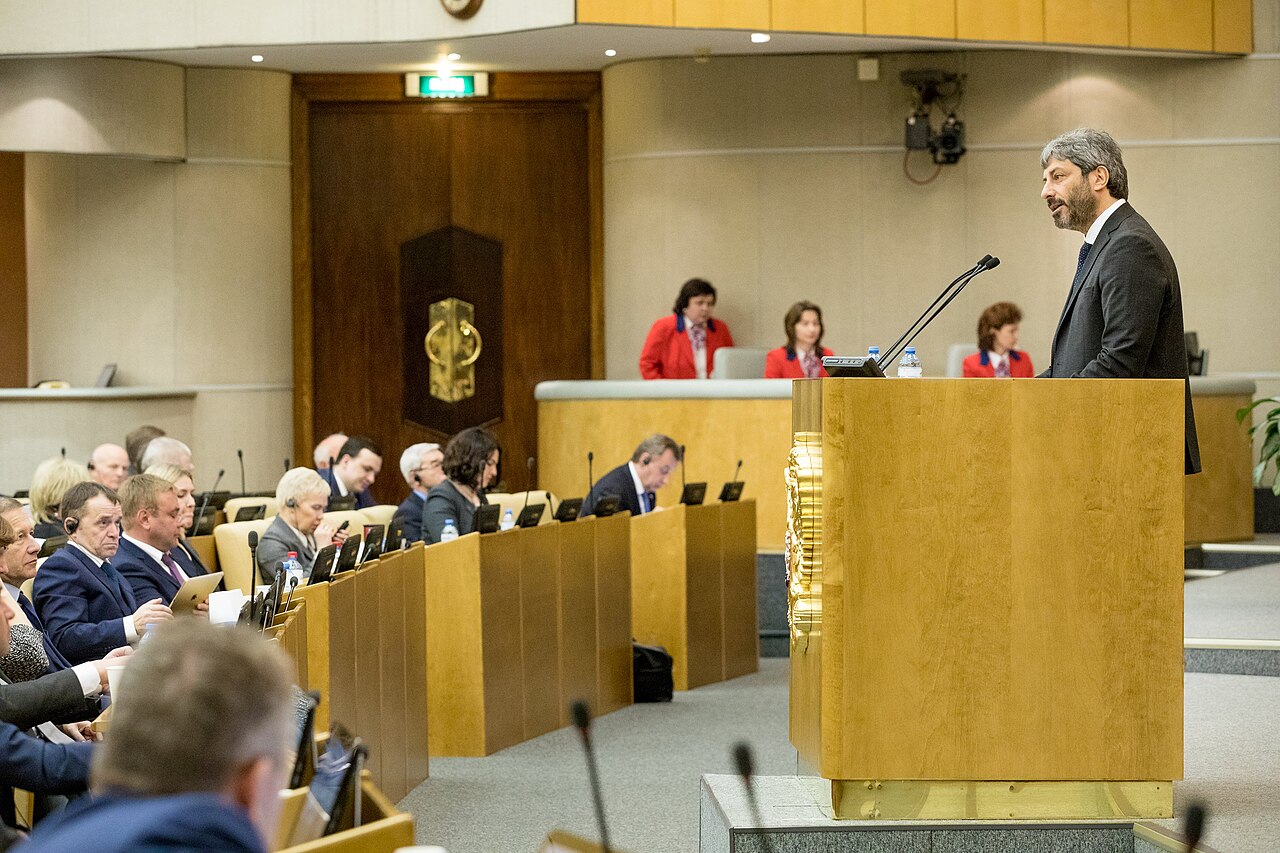
The European Commission has issued a warning to the organizers of the Venice Biennale, indicating that a proposed inclusion of Russia in the arts festival could lead to the suspension of a significant financial grant. This development underscores the ongoing political sensitivities surrounding cultural exchanges involving Russia, particularly in the context of current geopolitical events.
Brussels has explicitly stated that proceeding with plans to involve Russian participants would constitute a breach of ethical standards outlined in their funding agreement. Such a violation would trigger the suspension of a €2 million grant, impacting the operational budget of the internationally renowned cultural event.
EU Funding and Ethical Standards
The European Commission's stance reflects a broader policy of isolating Russia across various sectors, including culture, following its actions in Ukraine. The Commission views the adherence to ethical guidelines as a fundamental component of its funding contracts, ensuring that recipients align with EU values and policies.
This financial leverage allows the European Union to influence the decisions of major cultural institutions that rely on its support. The €2 million grant is a substantial contribution to the Biennale's budget, making its potential withdrawal a significant concern for the organizers.
Impact on Cultural Diplomacy
The Venice Biennale, established in 1895, is one of the world's most prestigious cultural events, attracting artists, curators, and visitors globally. Its historical role has often involved showcasing diverse international perspectives, including those from nations with complex political landscapes.
However, the current geopolitical climate has placed cultural institutions in a difficult position, balancing artistic freedom with political pressures and ethical considerations. The potential exclusion of Russia from such a prominent platform highlights the challenges of maintaining cultural diplomacy amidst international sanctions and political condemnation.
Organizational Dilemma
The organizers of the Venice Biennale now face a critical decision. They must weigh the implications of potentially losing substantial EU funding against their artistic and curatorial principles regarding inclusivity and international representation. This situation exemplifies the increasing entanglement of art and politics on the global stage.
The Commission's firm position suggests that a compromise might be difficult to achieve, forcing the Biennale to choose between its financial support from the EU and its proposed plans for Russian involvement. The outcome will likely set a precedent for other European cultural organizations navigating similar dilemmas.
Implications
Country Impact: This situation highlights the EU's consistent policy of isolating Russia across various sectors, including culture. It reinforces the bloc's commitment to leveraging financial incentives to align international organizations with its geopolitical stance.
Industry Impact: The cultural sector, particularly large international festivals like the Venice Biennale, faces increasing pressure to align with political narratives. This could lead to self-censorship or difficult choices between funding and artistic inclusivity for other institutions.
Market Impact: While not directly impacting financial markets, the incident reflects broader geopolitical tensions that can indirectly affect investment climates and international collaborations. It signals continued Western efforts to limit Russia's soft power influence globally.