Sri Lanka Repatriates Iranian Sailors' Remains
Sri Lanka is set to repatriate the remains of 84 Iranian sailors killed in a 1980 U.S. attack on the vessel *Iran Ajr*.
Cuneyd Erdogan ·
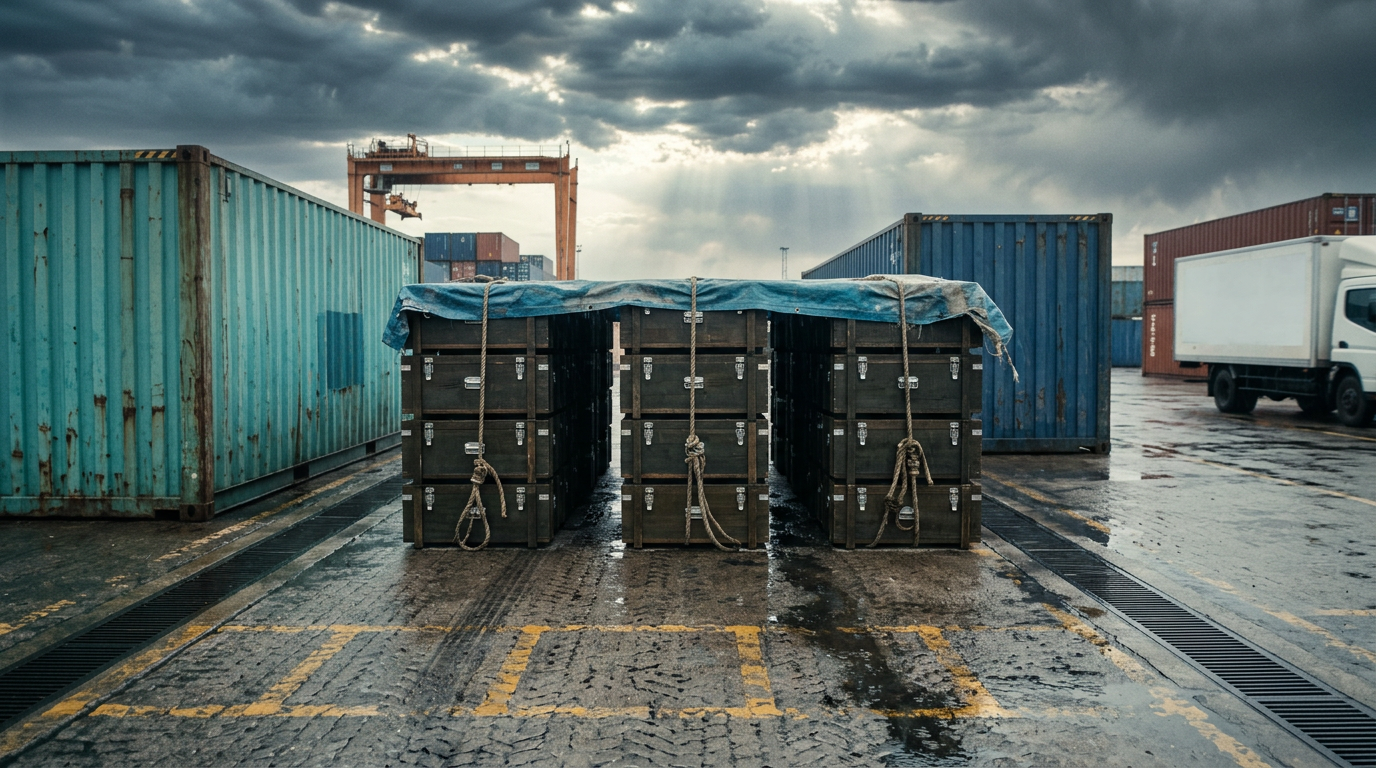
Sri Lanka is preparing to repatriate the remains of 84 Iranian sailors who died during a 1980 incident involving a U.S. attack. The sailors were aboard the Iranian naval vessel *Iran Ajr*, which was targeted by U.S. forces in the Persian Gulf. This repatriation effort marks a significant step in resolving a long-standing historical issue.
Historical Context of the Incident
American officials stated that the *Iran Ajr* was observed deploying naval mines in the Persian Gulf. This action was deemed a threat to international shipping lanes, prompting the U.S. intervention. The U.S. operation resulted in the sinking of the vessel.
Discovery and Identification Efforts
This discovery and subsequent identification process have been ongoing for some time, culminating in the current arrangements for repatriation. The involvement of Sri Lanka in this process highlights its role as a neutral party facilitating the return of the deceased.
Repatriation Logistics and Diplomatic Engagement
Diplomatic discussions between Tehran and Colombo have been crucial in reaching this stage. The repatriation underscores the humanitarian aspect of international relations, allowing families to mourn and properly bury their loved ones after decades.
Broader Regional Implications
The return of these remains, decades after the event, serves as a reminder of the human cost of past conflicts. It also demonstrates ongoing efforts to address historical grievances and provide closure to affected families, even long after the cessation of hostilities.
Implications
Country Impact: For Sri Lanka, this action reinforces its image as a neutral facilitator in international humanitarian efforts. For Iran, it provides closure for families affected by a decades-old conflict, potentially easing historical grievances.
Industry Impact: There are no direct industry implications. However, the event highlights the long-term impact of geopolitical conflicts on maritime security and international shipping, which are critical for global trade.
Market Impact: This specific repatriation event is unlikely to have direct market implications. However, historical incidents like the 1980 Persian Gulf confrontation underscore the potential for geopolitical tensions to disrupt global energy markets and trade routes.