Sanctions waiver on Iran sets 60-day deadline for deal
A U.S. sanctions waiver on Iran will run for 60 days as Washington and Tehran pursue a roadmap to a permanent agreement after Switzerland talks.
Atlas Newsdesk ·
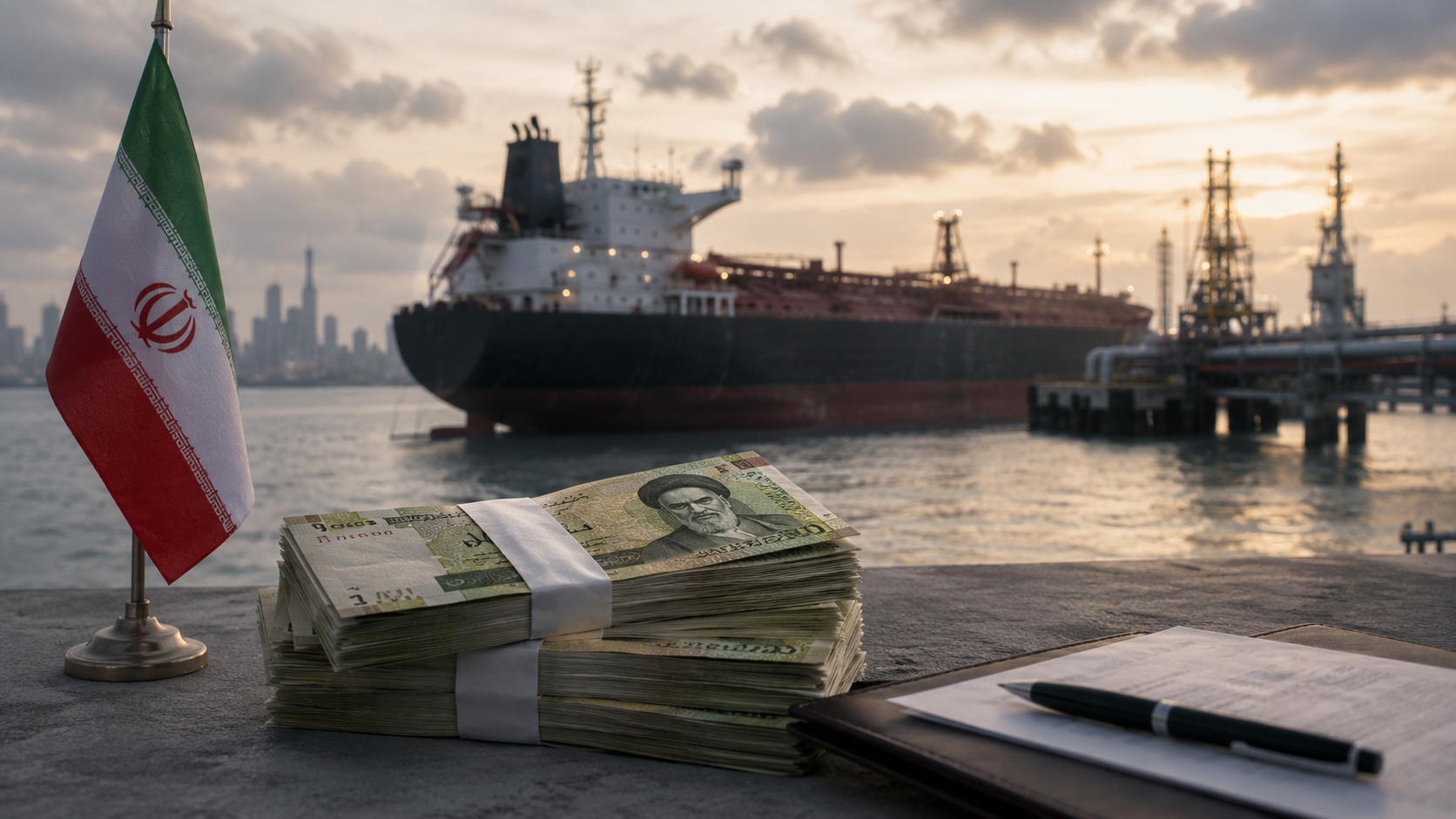
A U.S. sanctions waiver on Iran will run for 60 days, reopening a narrow window for oil sales and payments while negotiations move toward a permanent agreement.
The U.S. Treasury said the waiver begins Monday and lasts until Aug. 21, enabling Tehran to export oil and related products and receive proceeds, a key early step of economic relief.
The temporary relief follows the first round of talks since an interim deal was signed last week, after more than three months of war that roiled energy markets and displaced millions.
U.S. links relief to compliance as talks restart
President Donald Trump said he would act if Iran failed to uphold its commitments under the interim arrangement. The White House has faced rising domestic pressure over fuel prices ahead of U.S. midterm elections in November.
Vice President JD Vance offered an upbeat assessment of the Switzerland meetings, saying they created a strong base for a final peace settlement. He also said the discussions covered steps related to inspections, frozen assets and ceasefire management.
Iran publicly disputed key elements of that account, including any claim that talks on its nuclear program had begun or that a return of International Atomic Energy Agency inspections had been agreed.
Iran denies IAEA steps, outlines phased approach
Foreign Ministry spokesperson Esmail Baghaei said Tuesday Iranian officials had not met IAEA Director General Rafael Grossi in Switzerland. He added there were no plans for the U.N. watchdog to inspect Iran’s damaged nuclear sites.
Ali Bahreini, Iran’s ambassador to the United Nations in Geneva, said negotiators had made “good progress” and would set up two working groups in the coming days. One group would focus on sanctions relief, and the other on Iran’s nuclear activities, he said.
Bahreini said five elements of the initial deal must be fully implemented before formal negotiations begin on the nuclear “dossier” and any IAEA role. The comments point to a staged process in which economic measures and security steps are intended to precede detailed nuclear discussions.
Regional security track targets Lebanon, Hormuz shipping
Mediators Pakistan and Qatar said the parties agreed in Buergenstock, a Swiss mountain resort, on a 60-day roadmap toward a permanent agreement. They also described mechanisms aimed at reducing wider regional risks linked to the conflict.
Those steps include a framework intended to halt fighting involving U.S. ally Israel and Iran-backed Hezbollah in Lebanon, and a communications channel designed to support safe commercial passage through the Strait of Hormuz. Hormuz is a critical route for global oil flows and was blockaded by Tehran during the war, according to the report.
Officials reported a sustained lull in violence in Lebanon following the agreement. At the same time, Israel said it would retain a security zone in southern Lebanon and continue operations it says are needed to counter threats to its forces and civilians.
Israel and Lebanon were scheduled to open another round of talks in Washington on Tuesday. Bahreini said Lebanon is an “unquestionable” part of the interim understanding and includes the withdrawal of Israeli troops from Lebanon.
In maritime developments, tanker traffic through Hormuz began to rise on Monday. Oman’s foreign minister said Muscat remains committed to international law and to toll-free safe passage, while holding negotiations with Iran on administering the strait.
Markets have responded to the ceasefire and talks by easing some of the war-driven risk premium. Crude prices fell again on Tuesday after settling about 3% lower on Monday, reversing part of the earlier surge sparked by fears of supply disruptions.
The next test will be whether negotiators can reconcile differences over nuclear verification and sequencing before the Aug. 21 waiver deadline, while sustaining the Lebanon lull and keeping Hormuz shipping lanes open.