

SACP faces left-wing strategy test after 2.38% vote
The party’s debut raises pressure on the ANC alliance while testing whether South Africa’s left can organise beyond ANC structures.
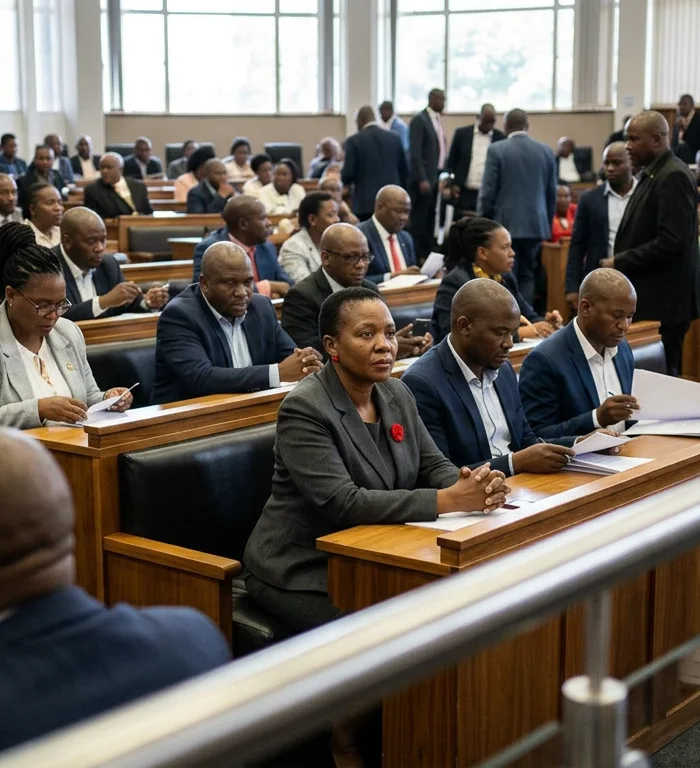
The South African Communist Party won 2.38% of the vote and 271 council seats in South Africa’s 2026 local elections, Daily Maverick analysis published Nov. 15 said.
The result matters because the SACP contested nationally on its own for the first time, roughly matching ActionSA’s 2.34% local-election debut in 2021, the Nov. 15 analysis said.
Daily Maverick described the result as strong enough to show the SACP could campaign and place candidates in wards and councils. It also said the performance looked weaker when measured against parties that broke from or challenged the ANC.
The analysis compared the SACP’s showing with Cope’s 7.42% in 2009, the EFF’s 6% in 2014 and the MK party’s 14% in the 2024 national election. It said those comparisons raise questions about whether the SACP has built an electoral base beyond its long history and name recognition.
In a 2021 public SACP statement, then-leader Blade Nzimande said the party had 300,000 members in its centenary year, Daily Maverick said. If that figure reflected its organisational capacity going into the local elections, the analysis said, the 2026 outcome would be harder to present as a breakthrough.
The political question is now whether the SACP’s independent campaign was meant to create a durable left-wing electoral vehicle or to increase leverage over the ANC. The party remains linked to the ANC-led alliance, while the analysis said SACP ministers had not resigned from Cabinet.
Daily Maverick said the SACP held a meeting the previous week of the “Council of the Left,” involving the EFF, MK, Ace Magashule’s African Congress for Transformation and Floyd Shivambu’s Afrika Mayibuye Movement. The analysis said the grouping opposes the current national coalition and seeks to push the ANC away from working with the Democratic Alliance.
That alignment carries political tension because the SACP has previously criticised some of those actors. In 2011, Nzimande told a Cosatu gathering that calls for mine nationalisation by elements in the ANC Youth League were intended “to save these BEE elements in crisis, and not to address the interests of the workers and the poor of our country,” Daily Maverick said.
The analysis did not report a formal post-election decision by the SACP on whether it will prioritise independent party-building or coalition pressure on the ANC. Its next test will be whether 271 council seats become a base for local influence or remain a limited protest against ANC direction.
More stories
- Monrovia mayor-designate seeks $14.5m city budget
- Iran's attacks hit 25 tankers near Strait of Hormuz
- Russia strikes Ukraine as Odesa faces electricity strain
- Bahrain reports two injuries after Iranian aerial attacks
- Baltic responders fight Sparta II fire after drone strike
- Estonia to close 5 Russia road crossings for six months
- Iraq government sacks nine officials over oil-smuggling claims
- Canada and UK back $1.3tn climate finance goal at COP31
- Lula victory in Brazil tests party unity over vote result
- Dimaampao seeks 7-year Philippine chief justice term
Latest news
- Rwanda faces budget strain from 85% electricity access push
- ICE arrests at Seattle airport draw protests and scrutiny
- AI doubts leave Asian stocks facing a new investment test
- EU rejects COP31 deal as fossil fuel divisions block pact
- Deal Sheet: Fortis shutdown costs over 400 jobs
- Germany to pay about $11 a month into child pension accounts
- Laura Brand curbs prison messages after YouTube dispute
- Nigeria's family-planning budget falls 97%