

Russia Recalls Armenia Envoy Over EU Ties Ahead of Polls
Russia recalled its ambassador to Armenia for consultations amid Yerevan’s growing ties with the European Union.
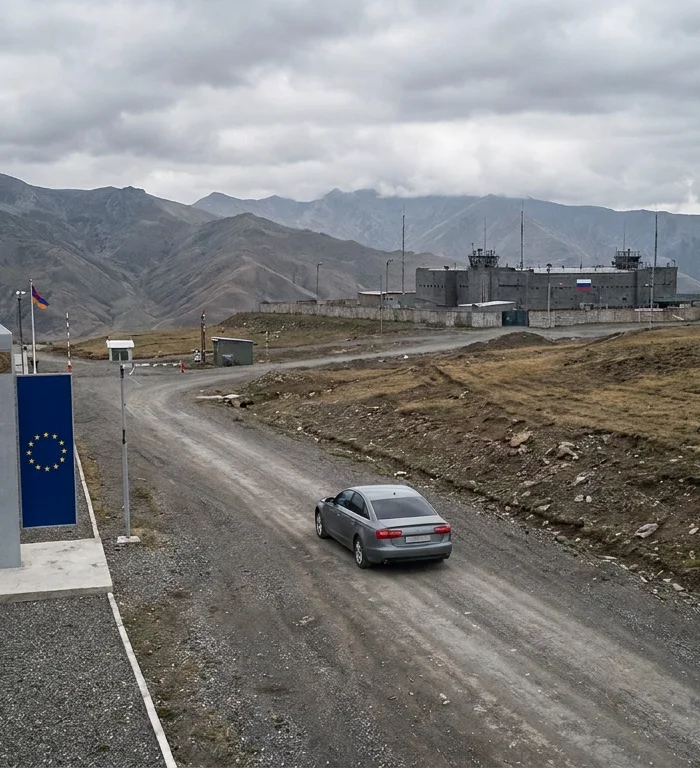
Russia has recalled its ambassador from Yerevan for consultations, signaling strong disapproval of Armenia's deepening relationship with the European Union. The move comes just weeks before Armenia's crucial June 7 elections, where pro-Western Prime Minister Nikol Pashinyan's party is favored to win.
Growing EU Alignment
The Russian Foreign Ministry stated that actions taken by Armenian leadership toward rapprochement with the EU were the cause for recalling Ambassador S.P. Kopyrkin. This diplomatic step underscores Moscow's concern over Armenia's pro-Western pivot, despite its formal alliance with Russia.
Armenia, a nation of approximately three million people, has progressively strengthened its ties with Western nations in recent years. This shift occurs even as the country remains economically dependent on Moscow. The potential for Armenia to seek EU membership has also drawn concerns from Russian-led economic blocs.
Regional Tensions and Russian Influence
The decision to recall the ambassador highlights a broader geopolitical tension involving Armenia, Russia, and its neighbours, particularly Azerbaijan. Yerevan has previously expressed dissatisfaction with Russia's security guarantees, especially in the context of the conflict over Nagorno-Karabakh.
Azerbaijan regained full control of Nagorno-Karabakh in September 2023, a region with an ethnic Armenian population. Following this, Armenia has shown a greater inclination towards Western partnerships, seeking to diversify its security and economic relationships.
Adding to the political backdrop, pro-Russian opposition parties in Armenia are challenging Prime Minister Pashinyan's administration. However, current opinion polls indicate that Pashinyan's party is leading ahead of the upcoming elections, suggesting a continuation of his pro-Western stance.
The broader implications of this diplomatic move could influence regional alliances and Armenia's ability to balance its historical ties with Russia against its aspirations for closer integration with Europe. The upcoming elections will likely be a key barometer for the country's future geopolitical orientation.
More stories
- Eisenkot secures first coalition deal but lacks majority
- Germans oppose Ukraine aid as poll shows support slipping
- Kim Jong-un receives 10 envoys after constitutional shift
- Ukraine claims Libya strike sinks Russian naval corvette
- COP31 climate talks collapse over fossil fuels and funds
- Russian military faces 1,087 recorded suicides in Ukraine war
- Russia's Ukraine Losses Escalate
- Israel Cuts Ties with UN Chief Over Conflict Report
Latest news
- Morocco targets 2030 World Cup final with new stadium bid
- Barclays puts AI bust risk at center of US growth debate
- US inflation reaches 3.8% before December Fed rate meeting
- Türkiye Desk: GTA 6 drains UK mobile spend as Turkish studios feel pressure
- Global stocks fall 0.4% as tariffs and US inflation loom
- CIA hack affects unclassified data; scope remains unclear
- Trump prepares tariffs on China and other major exporters
- New-car buyers pay record average $50,087 in October