

Rio Tinto Commits $250 Million for Panguna Mine Remediation
Rio Tinto has pledged $250 million to address environmental damage at the abandoned Panguna mine, a move that supports regional stability amid Bougainville’s…
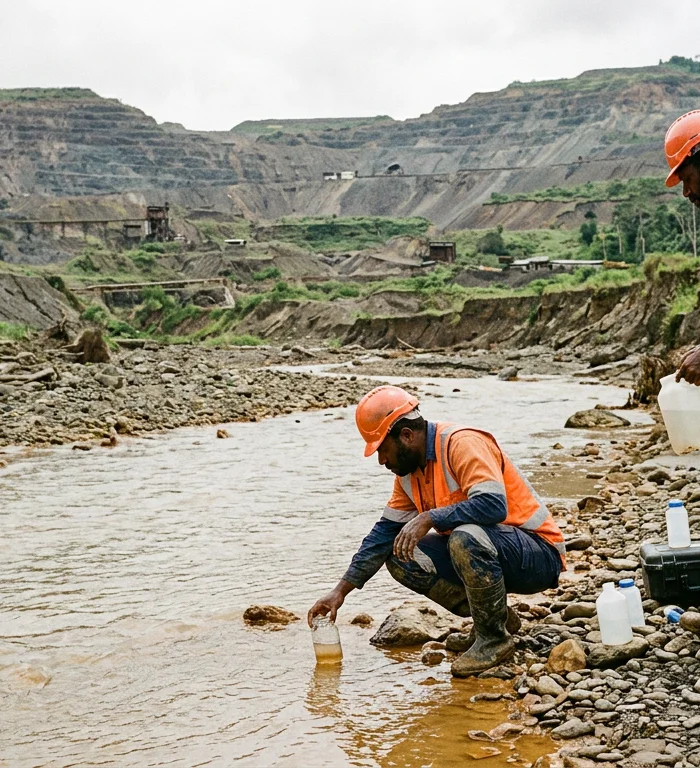
A major mining corporation has committed $250 million to initiate environmental remediation at the abandoned Panguna mine site in Bougainville, Papua New Guinea. The site was shuttered in 1989 following violent protests over environmental degradation and profit distribution, which subsequently triggered a decade-long civil war. The facility has remained dormant for over 30 years, leaving behind significant structural instability and toxic water contamination.
The funding follows a multi-year consultation process initiated by a human rights complaint regarding the long-term impacts of the mine’s operations. While the $250 million is not expected to cover the total cost of full site restoration, it is intended to address immediate community priorities, including access to clean water and essential infrastructure. Local leadership has identified these improvements as critical for regional stability and public health.
Papua New Guinea
This financial commitment arrives during a period of heightened political sensitivity for Bougainville, which is currently pursuing independence from Papua New Guinea. The Panguna site is estimated to hold approximately $60 billion in unrealized copper and gold reserves, making its potential future operation a central pillar of the island's proposed economic sovereignty.
Although a 25-year mining lease has been granted to a separate entity, the remediation process remains a prerequisite for any future industrial activity. Stakeholders indicate that the current funding will focus on transitioning from impact assessments to practical implementation. Future developments will depend on continued engagement between the corporation, the autonomous government of Bougainville, and local landowners to ensure the funds are allocated according to regional needs.
More stories
- The Week in Games: GTA 6 turns attention into cash
- US data centres emit 25.7m tonnes of CO2, Harvard says
- German founders need 3,942 hours to open small business
- Leaked Deutsche Bank files test Sewing's reform narrative
- UAE employers plan 2.8% pay rises for 2027
- Bessent urges Nvidia to seek outside CEO as scrutiny grows
- Govil seeks 50% or full BBL stake to expand T20 portfolio
- Mynt prices $971m IPO in 2026's biggest Southeast Asia debut
Latest news
- Social Security raises 2027 benefits 3.6%
- Hull City 2–0 Brighton: When Resilience Beat Reputation
- David Parr House to honor Victorian art-workman with blue plaque
- Iran's attacks hit 25 tankers near Strait of Hormuz
- FCC approves prison cellphone jamming despite 2.5-mile warning
- Russia strikes Ukraine as Odesa faces electricity strain
- Bahrain reports two injuries after Iranian aerial attacks
- Congress tests Black Democrats' growing policy influence