

Qatar faces rising scrutiny over U.S. academic investment
Heightened congressional oversight regarding foreign-funded endowments signals potential shifts in Gulf sovereign wealth strategy within the United States.
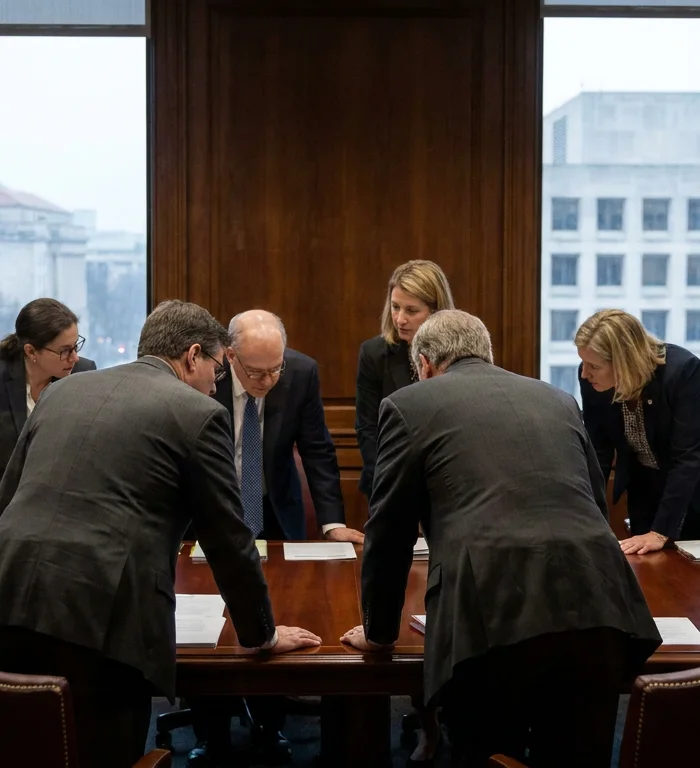
Legislative scrutiny of foreign capital
Congress is increasingly targeting foreign funding of American universities, with lawmakers demanding greater transparency regarding endowments from Gulf states. The scrutiny centers on Section 117 of the Higher Education Act, which requires institutions to disclose gifts from and contracts with foreign sources. Recent inquiries suggest that Qatar’s long-standing model of funding research and policy initiatives is under unprecedented political pressure as U.S. legislators classify these capital flows as potential national security risks.
Evolution of soft power strategies
For years, Qatar has utilized educational and think-tank partnerships as a pillar of its influence strategy in Washington D.C. These investments were designed to cultivate institutional resilience and soft power, ensuring that Doha remained a central player in American policy discussions. By embedding Qatari capital within major research bodies, the state sought to build durable relationships that could withstand shifts in U.S. geopolitical alignment or executive administrations.
Institutional and geopolitical impact
The politicization of these flows marks a departure from passive investment towards a landscape of heightened domestic suspicion. For Qatar, the risk lies in the potential degradation of its U.S.-based influence assets if institutional partners are forced to divest or distance themselves from Gulf funding to maintain their standing with federal regulators. A move away from these partnerships would challenge the broader Gulf Cooperation Council strategy, which relies on multi-generational engagement to secure regional security commitments from Washington.
Market and policy implications Global macro actors are monitoring the situation as an indicator of broader shifts in how sovereign wealth funds operate within Western regulatory environments.
If the trend of political weaponization continues, the cost of maintaining influence through traditional channels is expected to rise. Analysts suggest that the uncertainty surrounding foreign gift reporting may compel Gulf funds to pivot their capital toward less public-facing, private-market assets to avoid the glare of the U.S. election cycle and subsequent congressional oversight.
More stories
- Joburg Crisis Alliance seeks pledges from 270 councillors
- Zimbabwe court keeps mental-health abortion limits
- KAYAK puts Rovaniemi Christmas hotel rates down 22%
- Malaysia TVET entrants rise 30% in high-skills push
- Thai police arrest 39 in Cambodia-linked laundering probe
- Fire in Limoges leaves heritage loss and service disruption
- SpaceX strikes spectrum deal for US mobile network push
- Italy passes electoral reform ahead of 2027 national vote