

Vladimir Putin claims decline of dollar and euro dominance
Russian leadership reports a sharp drop in the use of Western currencies for trade, citing international sanctions as the primary driver for the shift.
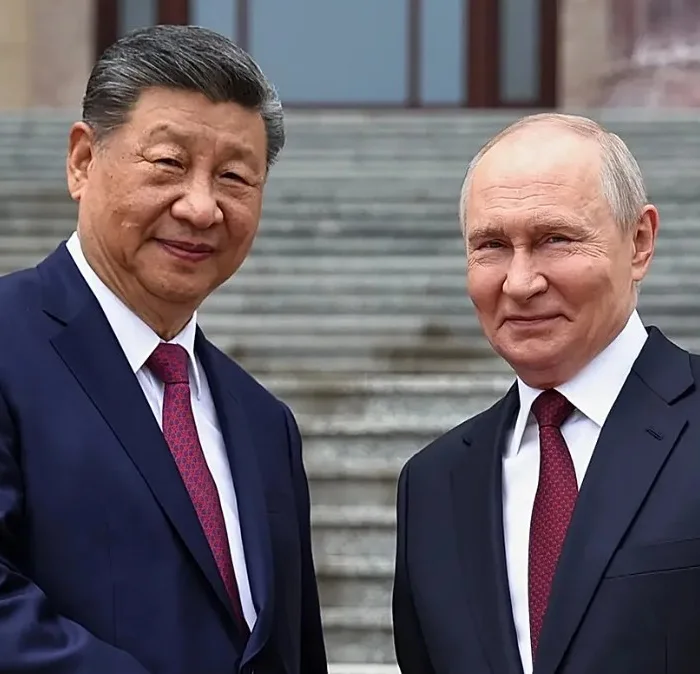
Shifting trade dynamics
During a recent address at an economic summit in Shenzhen, Russian President Vladimir Putin discussed the evolving role of major global currencies in his nation's commercial activities. He asserted that the era of the dollar and euro serving as the primary instruments for Russian foreign trade has effectively concluded.
According to official statements, this transition was not a voluntary policy choice by Moscow but rather a direct consequence of external restrictions. Putin suggested that nations imposing these financial limitations have inadvertently undermined their own long-term economic interests by forcing a move away from established monetary systems.
Data on currency usage
Figures provided by the Russian administration indicate a significant transformation in payment structures. While Western currencies accounted for approximately 85% of export transactions as recently as 2021, that figure has plummeted to roughly 9% in the current environment.
This rapid decline is attributed to international sanctions that have constrained Moscow's access to traditional global financial networks. Consequently, the country has pivoted toward alternative payment mechanisms and diverse currencies to maintain its export operations.
Regional economic shifts
Beyond currency matters, the Russian leader highlighted the growing influence of the Asia-Pacific region within the global economic landscape. He characterized this area as an emerging hub for technological innovation and industrial production, playing a pivotal role in modern economic transformations.
Putin further argued that established Western powers are attempting to obstruct the rise of these developing economies rather than adapting to new global realities. He specifically criticized European policies regarding energy imports and sanctions, claiming these strategies have negatively impacted the stability of the European economy.
Economic performance and outlook
Regarding domestic performance, officials claimed that the Russian economy has expanded by more than 10% over the past three years. Furthermore, the government reported that its public debt remains relatively low, standing at approximately 17% of the national gross domestic product.
While these figures are presented as evidence of resilience, the long-term sustainability of this economic model remains a subject of debate among international observers. The shift away from the dollar and euro represents a fundamental change in how Russia interacts with global markets, though the full implications of this decoupling for international trade stability are not yet fully understood.
More stories
- Eisenkot secures first coalition deal but lacks majority
- Germans oppose Ukraine aid as poll shows support slipping
- Kim Jong-un receives 10 envoys after constitutional shift
- Ukraine claims Libya strike sinks Russian naval corvette
- COP31 climate talks collapse over fossil fuels and funds
- Russian military faces 1,087 recorded suicides in Ukraine war
- Hague court adds 17 months to Thaci sentence
- Israel panel undercuts Likud fraud claim over 19 Arab-led seats
- Justice Department seeks delay in Alaska Senate vote certification
- Israel to close occupied West Bank crossings on election day
Latest news
- Global stocks fall 0.4% as tariffs and US inflation loom
- CIA hack affects unclassified data; scope remains unclear
- Trump prepares tariffs on China and other major exporters
- New-car buyers pay record average $50,087 in October
- Banks face ECB reserve debate over liquidity and profits
- Investors see Anthropic debut gains fade below $83 a share
- Iraq orders federal control over Kurdish-area oilfields