

Preferred Networks and Partners Develop High-Bandwidth AI Inference Chips
Preferred Networks is developing the MN-Core L2000, a 3D-stacked AI inference chip designed to overcome memory bandwidth bottlenecks in generative AI.
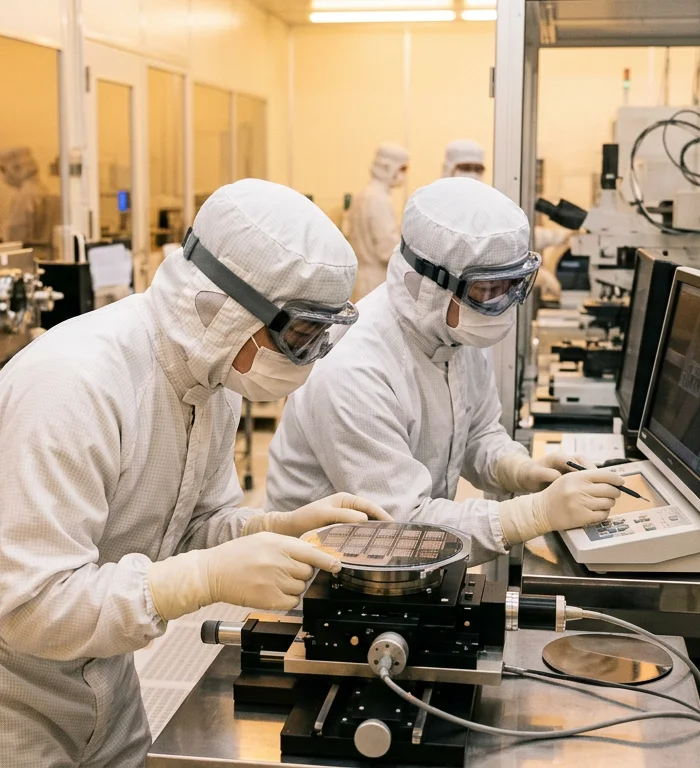
Preferred Networks has initiated development of the MN-Core L2000 series, an AI inference processor designed to double the memory bandwidth of its predecessor, the L1000. The architecture utilizes a 3D-IC design, vertically stacking DRAM with logic chips to mitigate data bottlenecks common in generative AI inference tasks. The project is scheduled for tape-out in the first quarter of 2027.
The development involves a tripartite collaboration to manage the technical complexities of 3D-stacked silicon. Preferred Networks is responsible for the processor architecture, while a turnkey semiconductor provider manages design implementation, supply-chain coordination, and advanced packaging. Samsung Foundry will provide the manufacturing platform and 3D-IC design infrastructure, including optimized I/O interfaces.
Technical challenges for the L2000 include managing power consumption, heat dissipation, and manufacturing yields inherent in 3D-stacked architectures. These factors represent significant risks to the project’s commercial viability and production timeline. The success of the initiative depends on the ability of the partners to transition these design goals into high-volume manufacturing.
Preferred Networks
The project is supported by the Japanese government through the Acquisition, Technology & Logistics Agency’s Innovative Science and Technology Initiative for Security. This funding covers a multi-year development cycle extending through fiscal year 2028. The collaboration serves as a strategic effort to enhance energy-efficient AI processing capabilities for security and industrial applications.
Stakeholders should monitor the upcoming tape-out phase in early 2027 as a primary indicator of the project's progress. The ability to maintain performance targets while addressing thermal and yield constraints will determine the chip's competitiveness against existing GPU-based inference solutions. The companies plan to present further details on the L2000 architecture at the SC26 conference.
More stories
- Europe faces attribution gap after 16 cyber, physical incidents
- PIF backs Grand Theft Auto as Saudi players embrace game
- Signal limits screenshots to curb AI access to messages
- Cognition runs Devin Mac workspaces on EC2 in 6 AWS regions
- Salesforce engineers cut 600-failure triage to 90 minutes
- Türkiye Desk: GTA 6 puts console access and network demand in focus
- Microsoft plans Project Helix as Xbox console for PC games
- OpenAI buys travel startup Odessia
- Meta bets on CRED as WhatsApp Pay seeks UPI share
- Investors fund Physical AI effort to teach robots cause-effect
Latest news
- Trump prepares tariffs on China and other major exporters
- New-car buyers pay record average $50,087 in October
- Banks face ECB reserve debate over liquidity and profits
- Investors see Anthropic debut gains fade below $83 a share
- Iraq orders federal control over Kurdish-area oilfields
- Germans oppose Ukraine aid as poll shows support slipping
- Kim Jong-un receives 10 envoys after constitutional shift
- Ukraine claims Libya strike sinks Russian naval corvette