

Population aging in Beijing tests China’s spending plans
Beijing residents aged 60 and older are projected to reach one-third of the population by 2035, according to a local report.
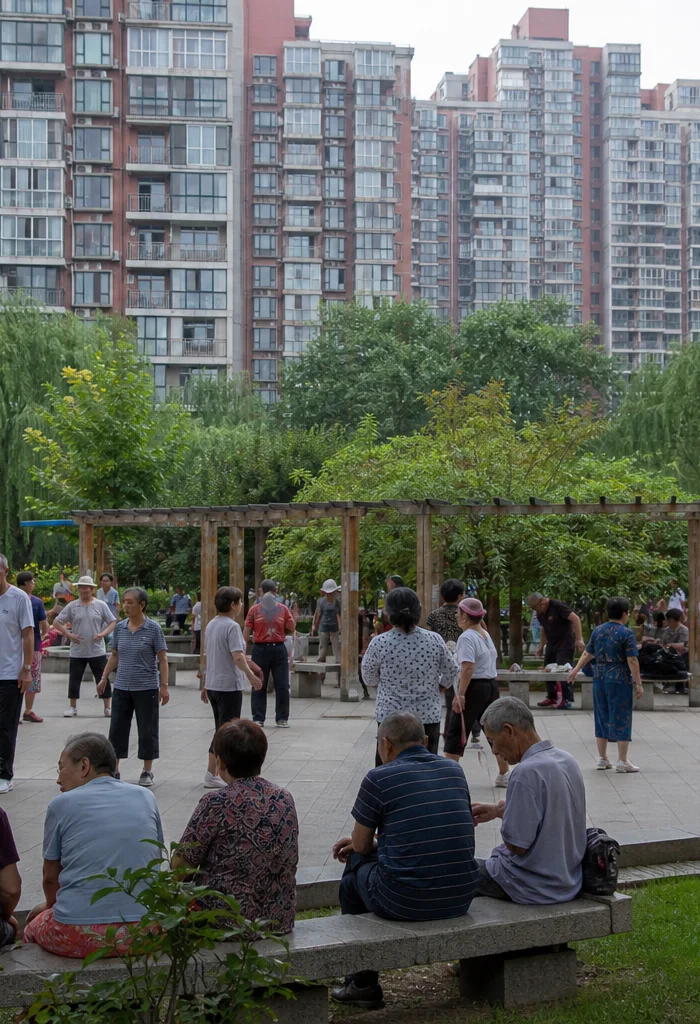
Beijing residents aged 60 and older are projected to reach one-third of the population by 2035, according to a local report.
The capital is increasing assistance for older residents, including a higher basic pension, the report said. Those measures accompany a demographic shift that is complicating China's efforts to strengthen household spending while containing debt.
Beijing's older population approaches one-quarter
The city counted 5.29 million permanent residents aged at least 60 at the previous year-end, representing nearly a quarter of its population, according to the report. The projected share for 2035 would put older residents at roughly a third, compared with that current proportion.
The distinction between the two measures matters: 5.29 million is a reported population count, while the one-third figure is a projection. The latter describes the expected composition of Beijing's population, not a specified future number of older residents.
The pension increase is part of the municipal government's response, according to the report. Its size and implementation timetable were not specified, leaving the additional income available to recipients unclear.
China's population decline frames pension choices
Nationally, the population has declined since 2022, according to the supplied reporting. Beijing's changing age profile therefore sits within a broader demographic transition rather than an isolated municipal challenge.
The report describes hundreds of millions of people approaching departure from employment across China while pension finances are under pressure. That national assessment is separate from Beijing's population figures; it does not establish the condition of the capital's own pension accounts.
Demographers and economists cited in the report link lower birth numbers with the possibility of fewer households and weaker growth in consumption over time. That is a longer-term assessment, not evidence of an immediate fall in spending by Beijing residents.
The policy tension concerns both household resources and public finances. The reporting identifies stronger domestic consumption and debt restraint as government objectives, while describing population aging as a complication for both.
Pension increases meet longer-term spending pressures
If higher basic pensions give recipients more money to spend, the increase could support consumption among older households. The extent of that effect would depend on the size of the increase and how much recipients spend rather than save; neither is established here.
If fewer births ultimately translate into fewer households, as the cited economists suggest, businesses serving household demand could face slower consumption growth. Under that scenario, additional pension income and weaker household formation would affect spending through different channels, rather than necessarily offsetting each other.
The immediate unresolved details are the pension increase's amount and timing. Over the longer term, the central question is whether Beijing's population develops along the projected path toward a one-third share aged 60 or older by 2035.
More stories
- UAE tops MENA disaster-readiness trust at 87%
- Rubio urges Ukraine peace as leaders' meeting stays open
- France unrest puts Macron's budget agenda under pressure
- Mnangagwa warns ZANU PF dissenters over 2030 rule bid
- Greece plans 15% homebuyer tax for non-EU investors
- Rama faces sixth day of Albania protests with 272 injured
- Saudi rejects Israel planes for diverted flydubai flyers
- Iraq militias test U.S. exit as final base shuts Wednesday