

Green Party Leadership Faces Governance Crisis Over Zionism Policy
The Green Party faces internal governance gridlock and electoral setbacks after a controversial policy motion on Zionism triggered local coalition collapses…
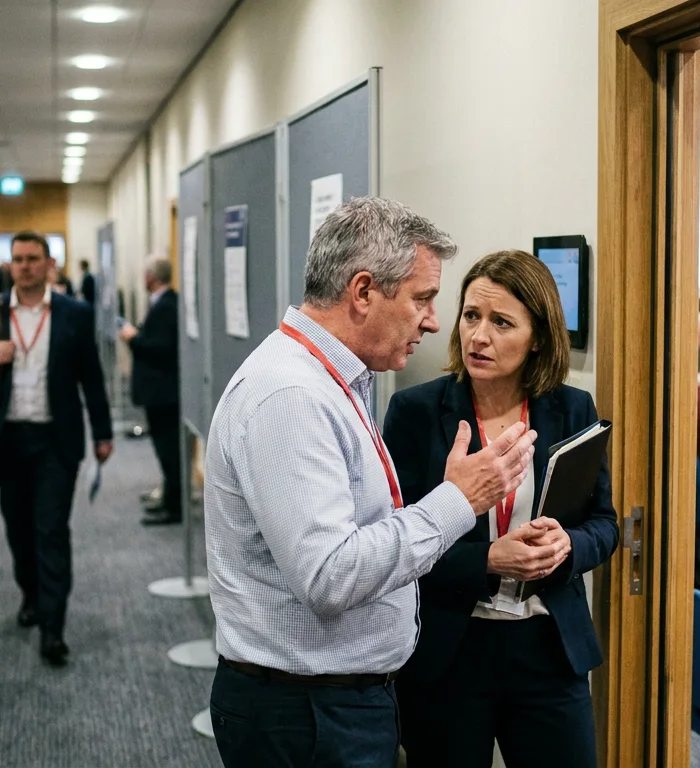
The Green Party is experiencing significant political instability following a conference motion that characterized Zionism as a form of racism. This policy shift has resulted in the collapse of local government coalitions with the Labour Party and has triggered scrutiny from the Equalities and Human Rights Commission. The controversy has hindered the party's electoral performance, contributing to a recent failure to secure a parliamentary seat.
Leadership is currently constrained by the party’s internal governance structure, which prioritizes member-led decision-making over executive authority. The party constitution prohibits the amendment or reversal of established policies for a two-year period. The Standing Orders Committee, which holds the authority to interpret these rules, is reportedly composed of members who support the existing motion, effectively blocking any immediate path to policy revision.
To address these institutional limitations, leadership has proposed a broad overhaul of party democracy, citing the need to manage a membership that has grown from 60,000 to over 200,000. While officials maintain that these reforms are intended to improve engagement, the initiative is widely viewed as an attempt to centralize strategic direction and mitigate the political damage caused by the Zionism motion. The proposed changes face resistance from rank-and-file members who are protective of their role in setting binding policy.
Internal divisions persist between parliamentary representatives, who view the current policy as a significant electoral and reputational liability, and the broader membership, which remains committed to the motion. Leadership has indicated that any formal reconsideration of the policy will not be possible until 2028, leaving the party vulnerable to continued criticism regarding its stance on antisemitism. The inability to resolve this impasse threatens the party's long-term viability as a credible alternative to the governing Labour Party.
More stories
- Germans oppose Ukraine aid as poll shows support slipping
- Kim Jong-un receives 10 envoys after constitutional shift
- Ukraine claims Libya strike sinks Russian naval corvette
- COP31 climate talks collapse over fossil fuels and funds
- Russian military faces 1,087 recorded suicides in Ukraine war
- US faces China, Russia in Africa minerals contest
- Saudi officials report Aramco tower damage after attack
- Saudi officials report Aramco tower damage after attack
- US tip-off in Moscow case points to security cooperation
- US tip-off in Moscow case points to security cooperation
Latest news
- Trump prepares tariffs on China and other major exporters
- New-car buyers pay record average $50,087 in October
- Banks face ECB reserve debate over liquidity and profits
- Investors see Anthropic debut gains fade below $83 a share
- Iraq orders federal control over Kurdish-area oilfields
- Nvidia shares retreat as AI rally cools before PCE data
- Macy’s parade faces balloon limits as storm winds approach