

Polish Authorities Link Krakow Mass Shooting to Far-Right Extremist Ideology
Polish authorities have linked a six-victim shooting in Krakow to far-right extremism, citing the perpetrator’s interest in Anders Behring Breivik and the…
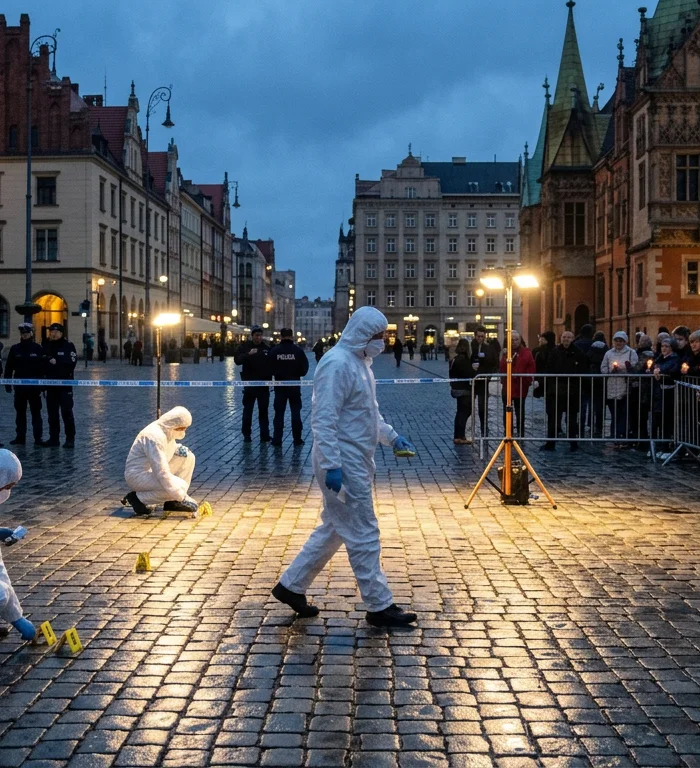
Polish investigators have identified strong indicators of right-wing extremism as the primary motive behind the November 7 mass shooting in Krakow. The perpetrator, 24-year-old Michal Oksinski, killed six individuals in the city’s main square before dying from injuries sustained during his arrest. Evidence recovered by authorities includes digital footprints linking the suspect to the ideology of Norwegian mass murderer Anders Behring Breivik, as well as the possession of a Gadsden flag, a symbol frequently associated with far-right movements.
Beyond the public shooting, authorities discovered the bodies of the suspect’s parents and sister at their family residence. Investigators believe these three individuals were also killed by Oksinski prior to the public attack. The suspect utilized a vehicle equipped with a silencer, suggesting a degree of premeditation in the execution of the violence.
Michal Oksinski
The incident has triggered a significant political dispute within Poland regarding the characterization of the suspect’s motives. Government officials initially attributed the attack to far-right radicalization, a claim that faced immediate pushback from the nationalist Law and Justice (PiS) opposition party. Opposition leaders have accused the government of acting dishonestly, leading to a period of political volatility as the investigation continues.
This event highlights ongoing concerns regarding the influence of international extremist ideologies on domestic security. The intersection of the suspect’s digital activity and the subsequent mass casualty event underscores the challenges for intelligence and law enforcement agencies in monitoring radicalized individuals. Policymakers should anticipate continued scrutiny of internal security protocols and potential legislative debates concerning the monitoring of extremist content online. The government remains under pressure to provide definitive evidence to substantiate initial claims of ideological motivation, as the political fallout continues to polarize national discourse.
More stories
- Germans oppose Ukraine aid as poll shows support slipping
- Kim Jong-un receives 10 envoys after constitutional shift
- Ukraine claims Libya strike sinks Russian naval corvette
- COP31 climate talks collapse over fossil fuels and funds
- Russian military faces 1,087 recorded suicides in Ukraine war
- US faces China, Russia in Africa minerals contest
- Spanish workers stage first general strike in 14 years
- Singapore faces 400-post Indonesia disinformation push
- Six Black Sea ship attacks reach Romanian waters
- Israel condemns West Bank attack on European delegation
Latest news
- Trump prepares tariffs on China and other major exporters
- New-car buyers pay record average $50,087 in October
- Banks face ECB reserve debate over liquidity and profits
- Investors see Anthropic debut gains fade below $83 a share
- Iraq orders federal control over Kurdish-area oilfields
- Nvidia shares retreat as AI rally cools before PCE data
- Macy’s parade faces balloon limits as storm winds approach