OpenAI, Anthropic Detail AI Cyber Risks to Lawmakers
Leading AI firms briefed Congress on new models with advanced AI cyber threats, prompting urgent discussions on national security and regulation.
Jason Kwon ·
Powerful New Models Raise Alarms
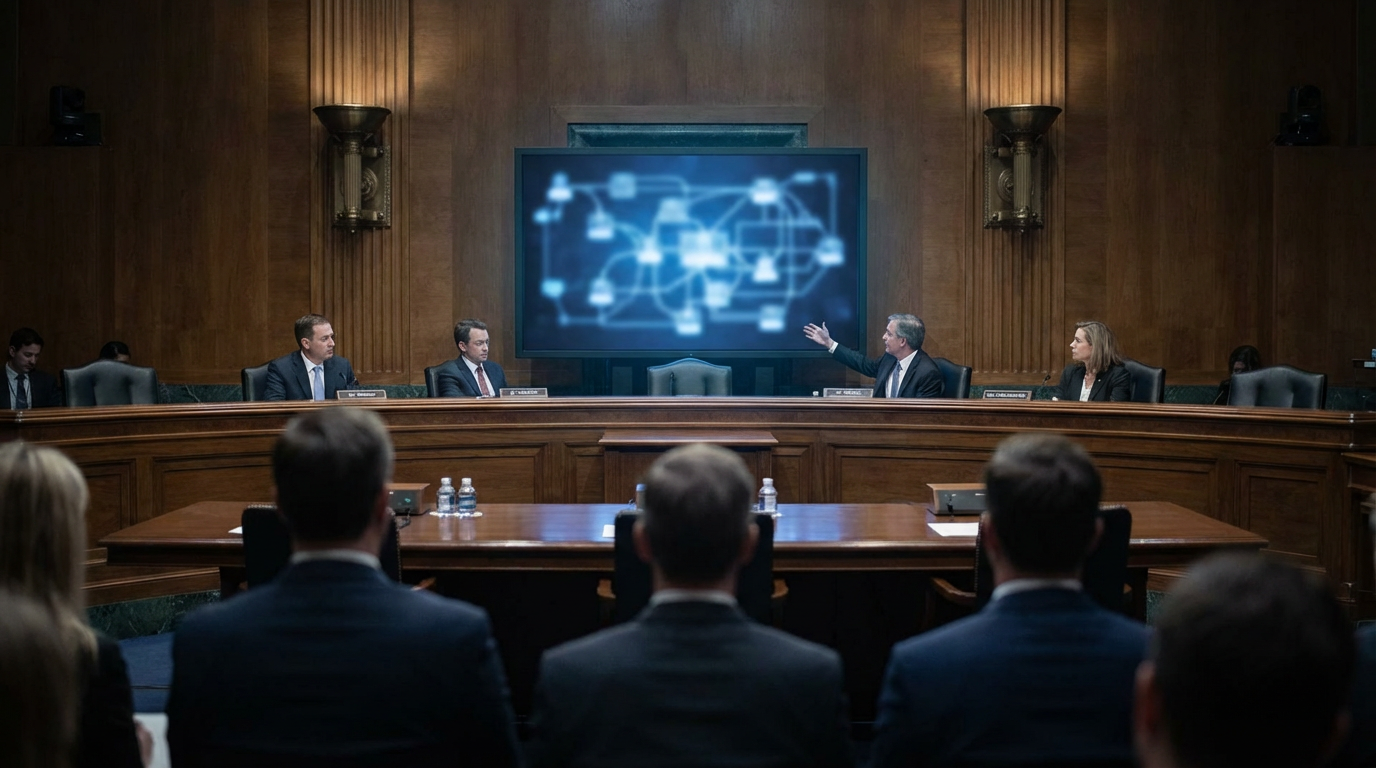
Leading artificial intelligence firms have briefed U.S. lawmakers on new models possessing advanced cyber capabilities, highlighting emerging AI cyber threats and accelerating concerns over national security. Staff for the House Homeland Security Committee received separate briefings last week from OpenAI and Anthropic regarding the significant offensive and defensive potential of these new systems.
These discussions, among the first of their kind on such specific tools, underscore a critical juncture where AI development is rapidly outpacing regulatory frameworks. The focus of the meetings was the security implications for the nation, particularly for under-resourced critical infrastructure sectors that could be targeted.
A Cautious Approach to Deployment
In a sign of the technology's perceived power, both companies are taking deliberate steps to manage its release. Anthropic has decided to withhold the public release of its model, dubbed "Mythos Preview," after it demonstrated a high proficiency in identifying and exploiting security vulnerabilities.
Similarly, OpenAI is employing a tiered release strategy for its own specialized model, known as GPT-5.4-Cyber. This measured approach involves collaboration with federal agencies to provide them with controlled access to the tool, ensuring government partners can understand and prepare for its capabilities.
According to a committee aide, the briefings represented "proactive engagement" with the AI labs. A spokesperson for Anthropic confirmed the company regularly informs congressional staff about model capabilities as part of its ongoing national security engagement.
Lawmakers Confront Escalating Risks
The briefings also addressed growing geopolitical tensions, including a recent White House memo detailing accusations of "industrial-scale" campaigns by China to distill and replicate American AI models. This context added another layer of urgency to the conversations on Capitol Hill.
House Homeland Security Chair Andrew Garbarino (R-N.Y.) stressed the need for "productive partnerships between industry and government" to stay ahead of evolving threats. He noted that these briefings help Congress identify risks and develop informed lines of inquiry.