

Gaza Farmers Confront Production Collapse Amid Infrastructure Destruction
Gaza's food security remains precarious as agricultural recovery is hindered by infrastructure damage, restricted land access, and ongoing security risks.
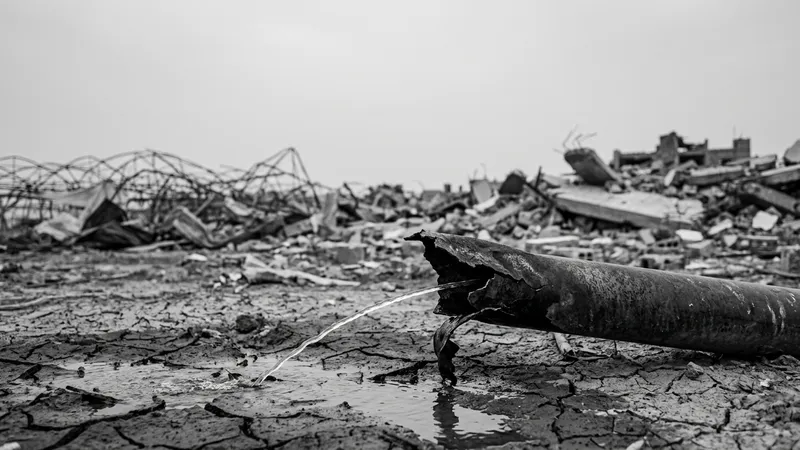
Gaza's domestic food production is significantly hindered by the extensive damage to agricultural infrastructure and restricted access to arable land. Approximately 80% of the region's agricultural infrastructure has been destroyed, with satellite analysis indicating that only 3% of pre-war cropland remains undamaged and accessible for cultivation. The majority of agricultural territory is either under military occupation or lies within restricted buffer zones.
Farmers Navigate Operational Risks Farmers face substantial operational hazards, including personnel losses and severely limited access to vital inputs such as water, fertilizer, and pesticides. Despite these challenging conditions, localized efforts focused on rehabilitating small plots have led to a marginal increase in regional self-sufficiency and a reduction in local market prices for essential produce. Humanitarian Crisis Persists
International agencies report that 1.4 million people in Gaza continue to experience crisis levels of food insecurity. Institutional assessments conclude that achieving long-term food stability is unattainable without the comprehensive restoration of local agricultural capacity. This capacity remains highly vulnerable to ongoing security operations and the expansion of restricted zones.
The recovery of domestic food production is deemed crucial for alleviating the persistent food crisis, but such efforts are precarious given the prevailing conditions.
More stories
- Houthis claim Riyadh airport strike as injuries reported
- Germany Reaffirms Russia Sanctions Amid Potential US Policy Shift
- China beats Thailand 2-0 to reach junior badminton final
- Russia and China Block US Push for Nationwide Sudan Arms Embargo
- Report of US pressure on Israel over Iran strikes tests Washington posture
- Trump administration sanctions International Criminal Court
- Nepal Floods Kill Seventeen, Disrupt Key Border Routes
- Drone Attack Destroys Wildberries Hub in Tambov, Kills Three
- Kyiv Air Defenses Strained by Relentless Missile Barrages
- US and Canada Race to Finalize Trade Deal by Saturday Deadline