NASA repurposes Air Force 737 for Artemis gravity tests
NASA repurposes an ex-Air Force Boeing 737 for Artemis reduced-gravity tests in Houston, but has not announced modification or first-flight dates.
Jason Kwon ·
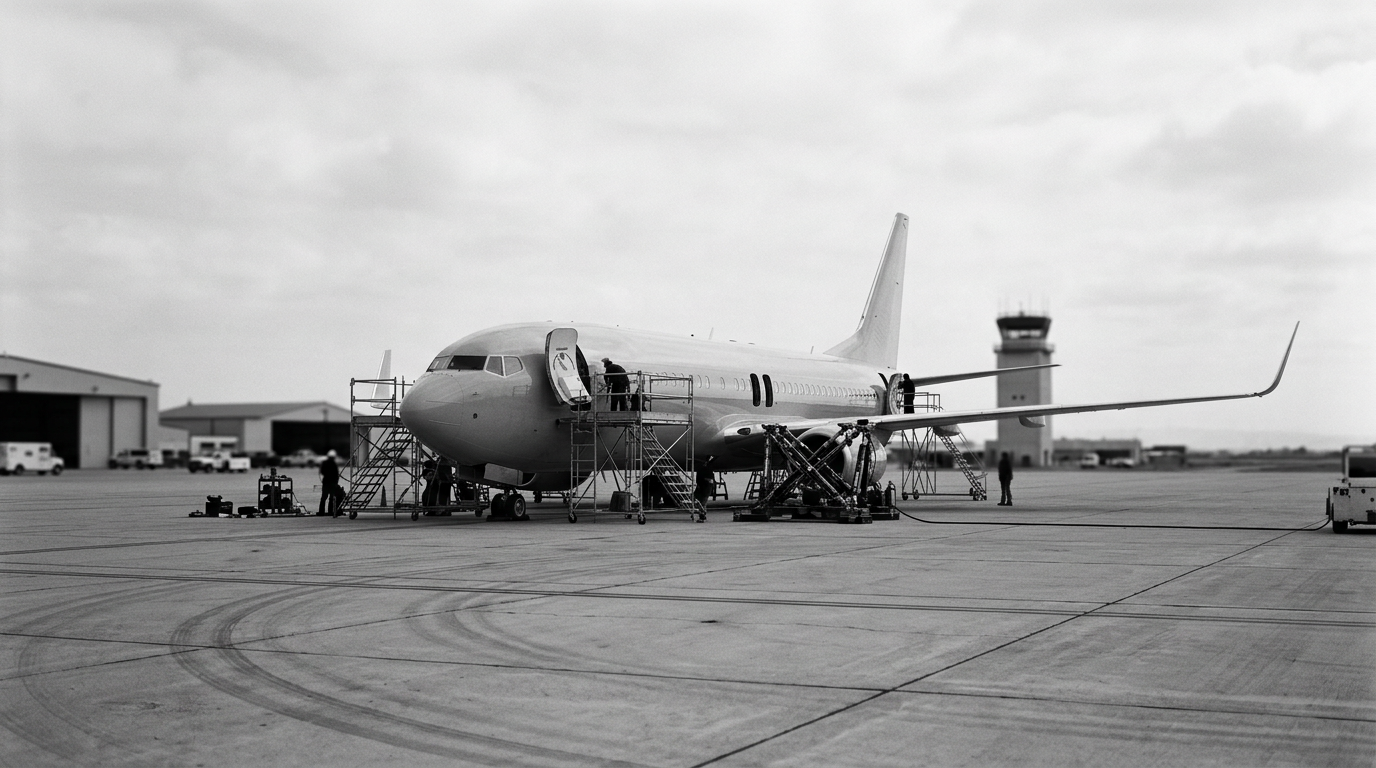
NASA is transitioning a newly acquired Boeing 737 from United States Air Force inventory into a reduced-gravity flight-test aircraft intended to support Artemis program preparations. Officials said the aircraft recently completed painting work in Oklahoma and has now moved into a modification phase designed to meet NASA mission needs.
The Armstrong Flight Research Center assumed ownership of the airframe in June, NASA said. The agency added that Armstrong personnel will oversee flight operations once the aircraft begins flying in its reduced-gravity role.
Johnson Space Center set for parabolic flight operations
NASA plans to base operational deployment of the NASA plans to base operational deployment of the modified 737 at the Johnson Space Center in Houston. There, agency flight crews are expected to fly parabolic trajectories that create short periods of lunar-gravity conditions, NASA said. According to NASA, these reduced-gravity flights are required to validate astronaut lunar suits and to test related crew systems planned for upcoming Artemis missions. The agency described the aircraft as part of its readiness work linked to future human activity in lunar environments. Officials also pointed to the established approach in human spaceflight preparation in which hardware and systems are evaluated through staged ground and flight testing before being used on deep-space missions. In this case, NASA said parabolic flight will provide a controlled way to observe how suits and crew-support equipment behave when gravity is reduced to lunar levels.
Aircraft also designated as a research testbed
Beyond Artemis-related validation Beyond Artemis-related validation, NASA said the 737 will serve as a primary research asset for advanced aerospace technologies. The aircraft is designated for systems-integration research, providing a flight-test environment intended to support multiple technology lines.
According to the agency, planned research uses include evaluation of autonomous navigation systems, advanced sensors, and digital integration equipment. NASA framed the aircraft as a flexible platform for hosting integrated technology packages in real flight conditions, where performance and interoperability can be assessed under operational use.
NASA did not provide a public schedule for when the modification work will be completed or when the first lunar-gravity parabolic flights will begin. The agency also did not specify the full scope of changes planned for the airframe, beyond stating that the modifications are intended to support both reduced-gravity mission objectives and systems-integration research.
NASA said the next milestones are expected to focus on completing the modification phase, moving the aircraft into routine operations at Johnson Space Center, and starting the parabolic flight profile needed for suit validation and crew-system testing, with Armstrong maintaining operational oversight.