Nasa returns moon rocket to pad and targets 1 April launch
NASA's Artemis II rocket and Orion spacecraft have returned to Launch Pad 39B, targeting an April 1 launch for a crewed lunar flyby.
Jason Kwon ·
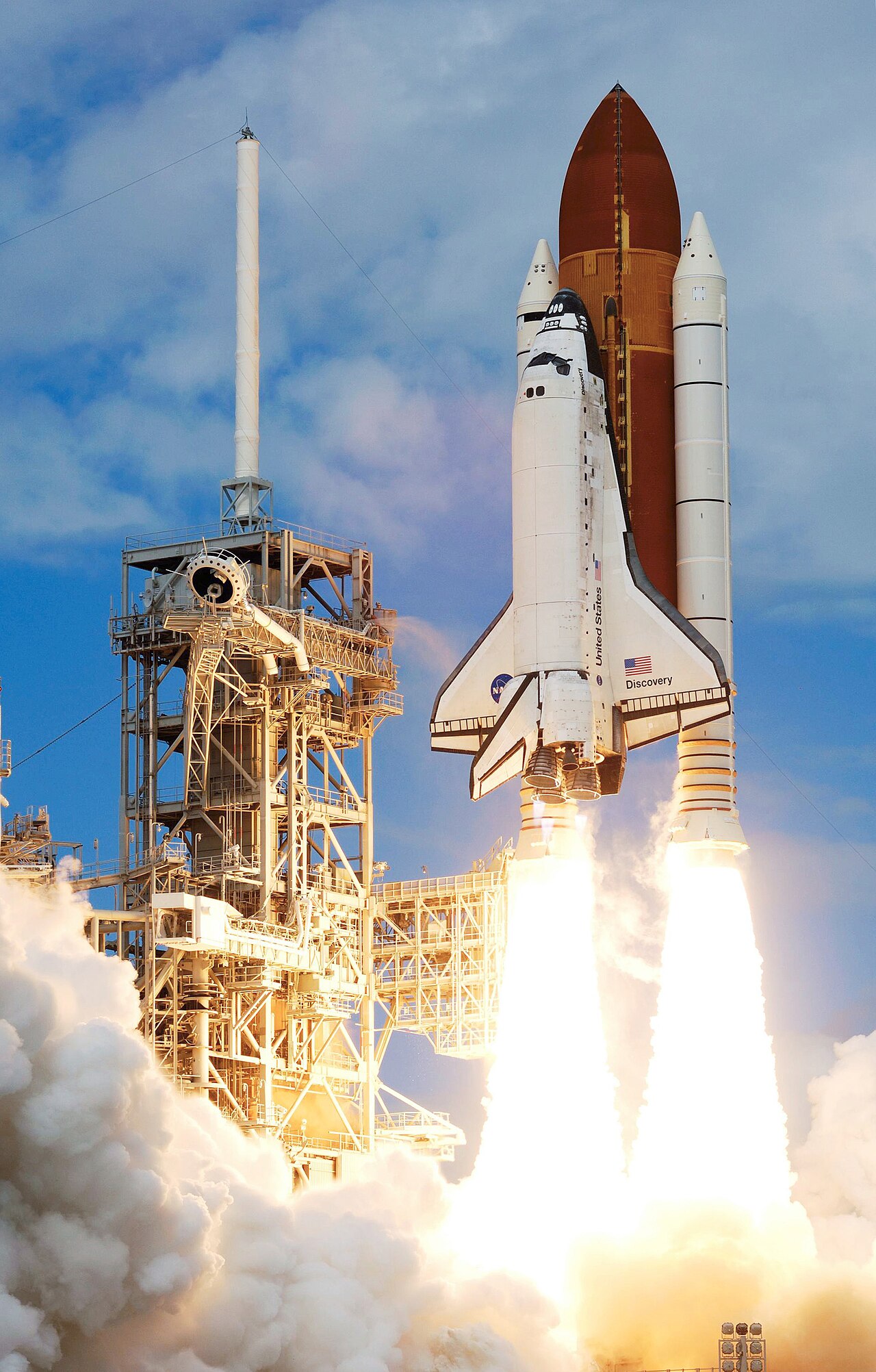
NASA's Artemis II mission hardware, comprising the Space Launch System (SLS) rocket and Orion spacecraft, has been transported back to Launch Pad 39B at the Kennedy Space Center in Florida. This critical maneuver, which began at 8 p.m. local time and can take up to 12 hours, positions the 5,500-ton assembly for its upcoming lunar flyby.
The space agency is now targeting an initial launch window opening on April 1. This development follows necessary repairs to the rocket system, which had previously caused delays in the mission's timeline.
Mission Objectives and Crew Preparation
The Artemis II mission is designed to conduct the first crewed lunar flyby in over five decades. The approximately 10-day mission will carry a crew of four astronauts: three from the United States and one from Canada. This flyby is a foundational step in NASA's broader strategy to re-establish human presence on the lunar surface.
As part of pre-launch protocols, the crew entered quarantine in Houston earlier this week. This measure is standard procedure to ensure the health and safety of the astronauts prior to spaceflight.
Overcoming Technical Challenges
Previous launch attempts for Artemis II encountered several technical setbacks. A significant issue involved a helium flow problem, which necessitated the return of the rocket stack to the Vehicle Assembly Building for extensive investigation and repair. This particular problem prevented a planned March launch.
Prior to the helium issue, a liquid hydrogen leak also disrupted a wet dress rehearsal, further contributing to the mission's revised schedule. NASA has addressed these technical challenges and is proceeding with final preparations, aiming for an early April launch.
Broader Lunar Exploration Context
The Artemis program represents a multi-phase initiative by NASA to return humans to the Moon and eventually establish a sustainable lunar presence. Artemis I, an uncrewed test flight, successfully orbited the Moon in late 2022, validating the SLS rocket and Orion spacecraft's capabilities.
Artemis II will be the first crewed flight of the program, paving the way for Artemis III, which aims to land astronauts on the lunar south pole. This long-term vision includes international partnerships and the development of a lunar Gateway space station, serving as an outpost for deep space exploration.
Outlook for Space Exploration
The successful launch of Artemis II is crucial for maintaining momentum in global space exploration efforts. It will provide invaluable data on human performance in deep space and further test the Orion spacecraft's life support systems. The mission's progress is closely watched by international space agencies and commercial partners, all contributing to the future of lunar and Martian exploration. The April 1 target date marks a significant milestone in this ambitious endeavor.
Implications
Country Impact: The successful launch of Artemis II would reinforce the United States' leadership in crewed space exploration, potentially fostering international collaboration and technological advancements within the aerospace sector. It also highlights Canada's role through its astronaut contribution.
Industry Impact: The aerospace and defense industries stand to benefit from continued investment in lunar programs, driving innovation in rocket propulsion, spacecraft design, and life support systems. Commercial space companies may also see increased opportunities for supporting infrastructure and services.
Market Impact: Positive developments in the Artemis program could boost investor confidence in space-related stocks and technology sectors. Delays or setbacks, however, might introduce volatility, particularly for companies directly involved in NASA contracts and space infrastructure.