

Mongolia Copper Sector Expands Beyond Oyu Tolgoi Asset
Mongolia’s copper industry is diversifying as major projects like Oyu Tolgoi drive interest in new regional exploration and development opportunities across…
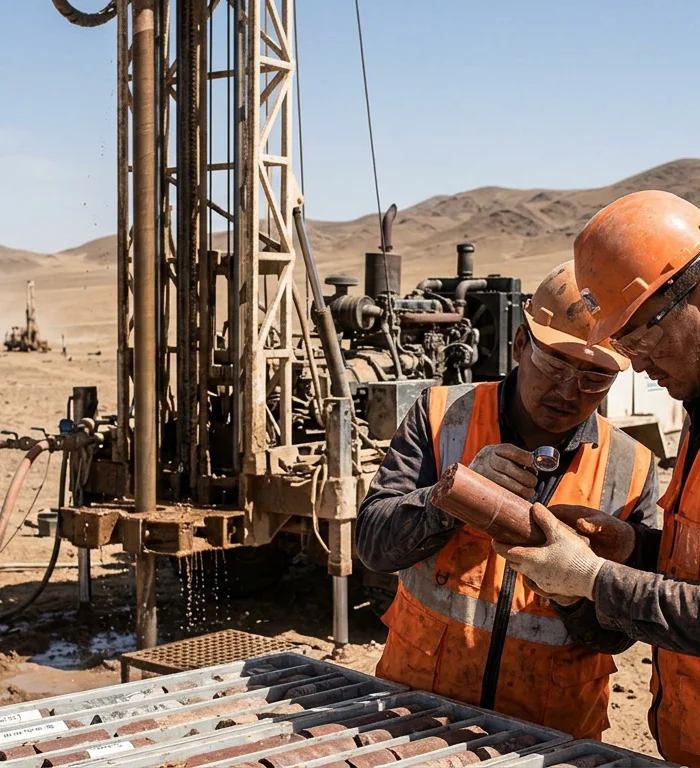
Mongolia’s copper sector is experiencing a shift in investment focus, moving beyond the established Oyu Tolgoi project toward a broader cluster of emerging discoveries in the South Gobi and Govi-Altai provinces. The Oyu Tolgoi mine, which required over $13 billion in development capital, remains a cornerstone of the nation’s mining output, with production expected to reach 500,000 tonnes per annum by 2028. The project’s success, supported by high global copper prices, has validated the region's geological potential within the Central Asian Orogenic Belt.
Institutional interest is now diversifying into large-scale porphyry copper-gold projects, such as the Kharmagtai development. Currently co-owned by Zijin Mining and Bastion Mining, Kharmagtai holds significant resources and is progressing through feasibility studies and permitting. This project, located within 200 kilometers of Oyu Tolgoi, underscores the regional trend of consolidating smaller deposits to create viable, long-term mining operations.
Projects such as the Oval and Red Hill
Junior exploration firms are simultaneously targeting greenfield sites to capitalize on the region's mineral endowment. Projects such as the Oval and Red Hill sites are demonstrating high-grade copper-nickel and copper-gold mineralization, with recent drilling expanding known strike lengths. These developments are supported by proximity to existing infrastructure, including power grids and transport networks, which lowers the barrier to entry for smaller operators.
For policymakers and investors, the expansion of the Mongolian copper sector represents a significant increase in regional supply potential. However, the transition from exploration to production for junior firms remains contingent on successful permitting and the ability to secure long-term capital. The continued involvement of major international mining entities and state-backed enterprises suggests that Mongolia will remain a critical node in the global copper supply chain, provided that regulatory and infrastructure stability is maintained.
More stories
- The Week in Games: GTA 6 turns attention into cash
- US data centres emit 25.7m tonnes of CO2, Harvard says
- German founders need 3,942 hours to open small business
- Leaked Deutsche Bank files test Sewing's reform narrative
- UAE employers plan 2.8% pay rises for 2027
- Bessent urges Nvidia to seek outside CEO as scrutiny grows
Latest news
- Social Security raises 2027 benefits 3.6%
- Hull City 2–0 Brighton: When Resilience Beat Reputation
- David Parr House to honor Victorian art-workman with blue plaque
- Iran's attacks hit 25 tankers near Strait of Hormuz
- FCC approves prison cellphone jamming despite 2.5-mile warning
- Russia strikes Ukraine as Odesa faces electricity strain
- Bahrain reports two injuries after Iranian aerial attacks
- Congress tests Black Democrats' growing policy influence