

Middle East shifts from shadow war to direct deterrence
The transition to direct exchange between Israel and Iran forces a realignment of Gulf security strategies and investment risk models.
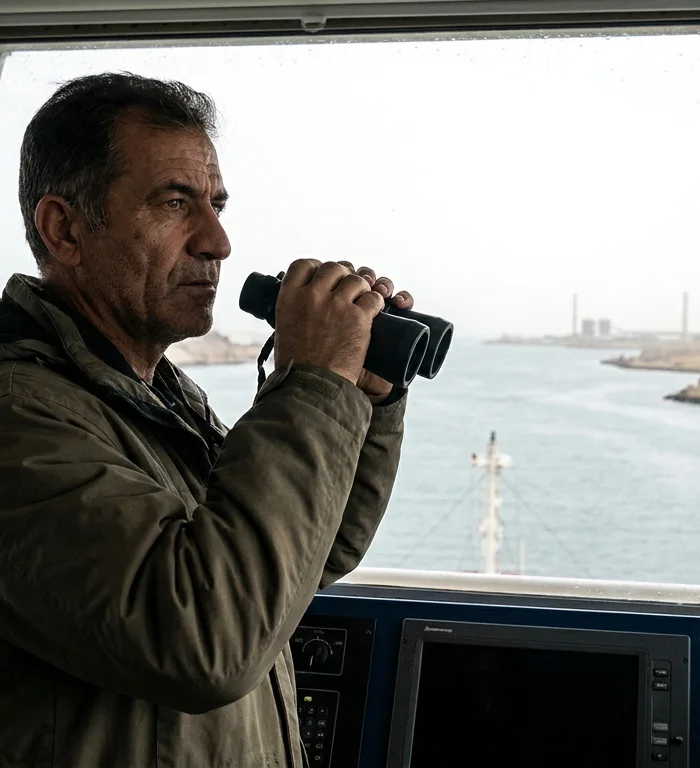
Regional strategic posture shifts The recent exchange of direct fire between Israel and Iran marks a systemic shift from decades of shadow warfare to a doctrine of direct deterrence. This transition forces regional actors to re-evaluate security dependencies and the permanence of previous diplomatic de-escalation efforts. For Gulf states, the primary challenge involves managing the contrast between historical reliance on the US security umbrella and the current necessity for stable relations with Tehran. Policymakers in Riyadh and Abu Dhabi now face an environment where traditional diplomatic insulation may no longer guarantee immunity from kinetic escalation. Vulnerabilities in energy infrastructure The security of regional oil transit points, particularly the Strait of Hormuz, remains the most immediate concern for global energy markets. Any direct Iranian retaliation against regional allies of the US threatens to disrupt critical shipping lanes that facilitate a significant portion of global daily oil exports. This volatility creates a tangible risk for national development agendas, including Saudi Arabia's Vision 2030 and the UAE's 2031 strategy. Both initiatives rely heavily on sustained long-term stability to attract foreign direct investment, which historically retreats in periods of heightened maritime or regional military tension. Defining the path forward
For Gulf
The core uncertainty lies in whether regional capitals can secure a tacit agreement with Tehran to preserve economic infrastructure during periods of Israel-Iran volatility. The success of this diplomatic maneuver will dictate the flow of international capital into the Gulf over the coming fiscal year.
The development of a formal security dialogue involving GCC members and Tehran remains a primary indicator of whether this shift will result in permanent regional instability. A failure to establish these communication channels increases the probability that energy corridors become active components of the regional theater.
More stories
- UAE tops MENA disaster-readiness trust at 87%
- Rubio urges Ukraine peace as leaders' meeting stays open
- France unrest puts Macron's budget agenda under pressure
- Mnangagwa warns ZANU PF dissenters over 2030 rule bid
- Greece plans 15% homebuyer tax for non-EU investors
- Rama faces sixth day of Albania protests with 272 injured
- French police arrest more than 1,800 after cost-of-living protests
- Godongwana faces 80% debt test in budget update