

Microsoft adds sovereign cloud controls for data-risk buyers
New Azure tools target governments and large companies seeking more control over encryption keys, local workloads and AI systems.
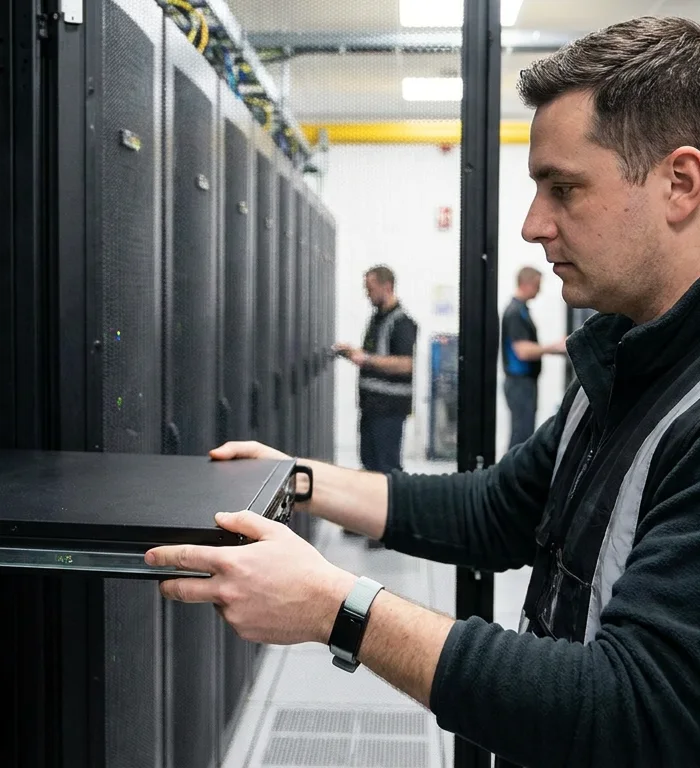
Microsoft expanded its sovereign cloud offerings on Tuesday, adding security, governance and AI capabilities for customers seeking tighter control over data location, access and resilience.
The company said the changes build on its digital sovereignty program by letting organizations apply different control levels to separate workloads, rather than shifting all systems into one fixed model. Reaction pending.
Azure keys move outside
Microsoft is introducing a Sovereign Control Panel in Azure to help organizations assess sovereignty posture, identify gaps, apply controls and evaluate workload portability. The panel is scheduled to enter public preview at Microsoft Ignite.
External key management with Azure Managed Hardware Security Module is now generally available, Microsoft said. The feature lets customers keep root encryption keys in hardware they own and operate on-premises or through a trusted third party, extending control beyond Microsoft-operated infrastructure.
The company also said Azure Confidential Clean Rooms are in limited preview, using confidential computing for collaboration on sensitive data. Azure Local is being expanded so customers can run more cloud capabilities in their own environments, including public previews for connected-to-disconnected workload transitions, DocumentDB and Blob Storage.
On AI, Foundry Local is scheduled to become generally available at Microsoft Ignite for connected and disconnected operations on Azure Local. Microsoft said it will support local inference and agentic retrieval in natural language, using models from Microsoft, partner networks and the open-source community.
The next checkpoint is Microsoft Ignite, when the Sovereign Control Panel and Foundry Local updates are scheduled to move into customer-facing availability stages.
More stories
- Sceye tests 4G service from 54,000 feet over Japan
- DeepSeek updates AI model as speed and cost rivalry grows
- CoreWeave bond yields hit 15% as AI funding doubts deepen
- The Week in Games: Selective capital meets harder scoreboards
- Bhaag Neha Bhaag draws 2,700 players in CJP protest game wave
- Japan & Asia: Switch 2 leads Famitsu chart with 22,420 units
- SK Hynix eyes Intel Ohio plant for U.S. memory output
- Anthropic secures 2.16GW Australia AI data center lease
Latest news
- US-Mexico tariff talks stall over downstream metal duties
- Galderma targets Ozempic face with new treatment testing
- France plans troop deployment ahead of Saturday protests
- SpaceX explores Tesla merger as Musk backs company talks
- US visa revocations exceed 300,000 in Trump's second term
- EU lawmakers back Muslim Brotherhood resolution by 381 votes
- Emirates NBD expands loans 27% in nine months
- Nigeria traces 44 contacts after Abuja Ebola case