

Meta Reassesses 2030 Net-Zero Targets Amid Rising AI Infrastructure Emissions
Meta is reconsidering its 2030 net-zero goal as AI infrastructure expansion drives a 45 percent increase in annual emissions, reflecting a broader corporate…
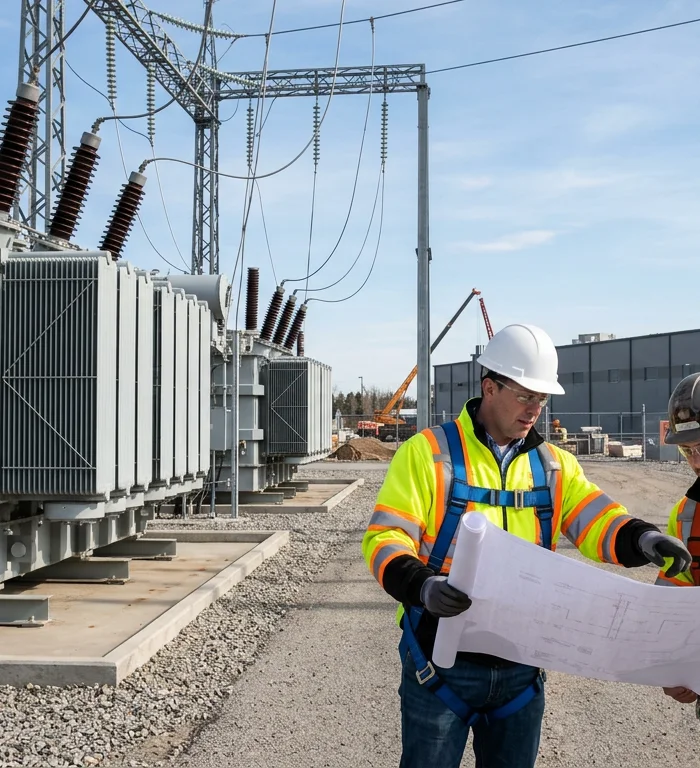
Meta is formally re-evaluating its 2030 net-zero emissions commitment, citing the significant energy demands required to scale artificial intelligence infrastructure. The company reported a 45 percent increase in net carbon-equivalent emissions in 2025, totaling 11.8 million tonnes. Executives stated that the original 2020 projections failed to account for the rapid acceleration of AI-related capital expenditures and the complexity of decarbonizing the associated value chain.
This shift reflects a broader trend among major technology firms struggling to reconcile aggressive AI expansion with existing environmental, social, and governance (ESG) pledges. Data centers currently represent a critical point of failure for corporate climate strategies; current estimates suggest global data center electricity consumption could double by 2030. The infrastructure required to support high-compute AI models is significantly more carbon-intensive than traditional cloud services, complicating efforts to maintain interim sustainability milestones.
Meta’s pivot aligns with a wider retreat from Meta’s pivot aligns with a wider retreat from corporate climate commitments across multiple sectors in the United States. Other major corporations have recently adjusted timelines, weakened emissions targets, or altered baseline metrics to account for operational realities. This trend indicates a systemic prioritization of AI-driven growth over long-term decarbonization goals, potentially signaling a shift in investor expectations regarding corporate environmental accountability.
For policymakers and financial stakeholders, this development highlights the growing tension between national energy grid capacity and the power requirements of the technology sector. As companies move away from previously established climate deadlines, institutional investors may face increased scrutiny regarding the reliability of corporate sustainability disclosures. Future regulatory focus may shift toward the transparency of carbon accounting methods, particularly as firms attempt to offset rising operational emissions through carbon removal credits rather than direct reduction.
More stories
- The Week in Games: GTA 6 turns attention into cash
- US data centres emit 25.7m tonnes of CO2, Harvard says
- German founders need 3,942 hours to open small business
- Leaked Deutsche Bank files test Sewing's reform narrative
- UAE employers plan 2.8% pay rises for 2027
- Bessent urges Nvidia to seek outside CEO as scrutiny grows
Latest news
- Social Security raises 2027 benefits 3.6%
- Hull City 2–0 Brighton: When Resilience Beat Reputation
- David Parr House to honor Victorian art-workman with blue plaque
- Iran's attacks hit 25 tankers near Strait of Hormuz
- FCC approves prison cellphone jamming despite 2.5-mile warning
- Russia strikes Ukraine as Odesa faces electricity strain
- Bahrain reports two injuries after Iranian aerial attacks
- Congress tests Black Democrats' growing policy influence