

Mercedes-Benz Expands Automated Driving Capabilities to Compete in US Market
Mercedes-Benz is launching two automated driving systems in the U.S. to compete with existing market leaders, prioritizing a cautious, liability-focused…
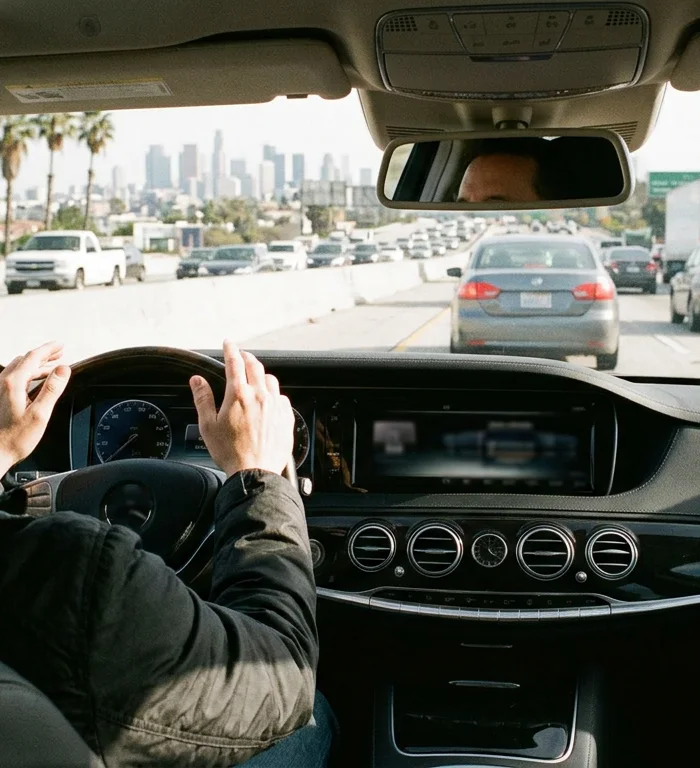
Mercedes-Benz is expanding its automated driving portfolio with the introduction of two distinct systems designed to operate in highway and urban environments. The Hands-Free Highway Assist feature is scheduled for release to eligible customers in California by the end of this year, with a broader nationwide rollout planned for spring 2027. This system is intended to manage primary driving tasks on highways with minimal driver intervention.
Complementing this, the MB.Drive Assist Pro system is slated for release next year. This technology is designed to function in off-highway and urban settings, enabling vehicles to manage steering, acceleration, and braking while responding to traffic signals, road signage, pedestrians, and other vehicles. The deployment of these systems marks a strategic shift for the manufacturer, moving toward higher levels of automated driving assistance to compete with existing market offerings.
From a risk and governance perspective, the manufacturer is adopting a conservative deployment strategy compared to industry peers. By prioritizing liability mitigation and incremental testing, the company aims to avoid the regulatory and safety challenges associated with rapid, iterative software releases. This approach reflects a broader trend among legacy automotive manufacturers to balance technological advancement with stringent safety standards and legal compliance.
Institutional stakeholders should monitor the regulatory reception of these systems, particularly regarding liability frameworks for automated driving in urban environments. The phased rollout suggests a focus on data collection and safety validation before full-scale commercialization. As these technologies integrate into the company's fleet, the primary risks involve potential shifts in product liability and the evolving landscape of autonomous vehicle legislation at both the state and federal levels.
More stories
- Europe faces attribution gap after 16 cyber, physical incidents
- PIF backs Grand Theft Auto as Saudi players embrace game
- Signal limits screenshots to curb AI access to messages
- Cognition runs Devin Mac workspaces on EC2 in 6 AWS regions
- Salesforce engineers cut 600-failure triage to 90 minutes
- Türkiye Desk: GTA 6 puts console access and network demand in focus
- Microsoft plans Project Helix as Xbox console for PC games
- OpenAI buys travel startup Odessia
- Super-puff planets surprise scientists in TOI-791 system
- NASA Swift orbit boost aims to avert reentry this year
Latest news
- Trump prepares tariffs on China and other major exporters
- New-car buyers pay record average $50,087 in October
- Banks face ECB reserve debate over liquidity and profits
- Investors see Anthropic debut gains fade below $83 a share
- Iraq orders federal control over Kurdish-area oilfields
- Germans oppose Ukraine aid as poll shows support slipping
- Kim Jong-un receives 10 envoys after constitutional shift
- Ukraine claims Libya strike sinks Russian naval corvette