

Textile Industry Shifts Toward Traceable and Biobased Material Standards
The textile industry is scaling traceable cotton sourcing and integrating biobased materials into commercial manufacturing processes to meet sustainability…
The textile and apparel sector is experiencing a shift toward increased supply chain transparency and the integration of biobased materials. The Better Cotton Initiative (BCI) reported that retailers and brands sourced 33,000 metric tons of traceable cotton over the past year, a significant increase from the 90 metric tons recorded when the program launched in 2023. Currently, 90 companies are utilizing the BCI traceability system, with over 4,000 supply chain actors certified under its Chain of Custody Standard.
Traceability depth varies by region, with Brazil offering farm-level visibility, while other major producing nations provide data reaching the gin or spinner levels. This expansion reflects a broader industry push to meet regulatory and consumer demands for supply chain accountability. The adoption of the BCI Cotton Label, which requires a minimum of 30 percent traceable content, has also grown, with 154 product-level claims approved to date.
Stella McCartney has expanded its use of BioCir
In the footwear and apparel manufacturing sectors, companies are scaling the use of biobased alternatives to fossil-derived plastics. Stella McCartney has expanded its use of BioCir Flex, a biobased elastomer derived from castor beans and plant oils, for its upcoming footwear collections. This material is designed to replace conventional thermoplastic polyurethane and rubber, offering potential end-of-life pathways including industrial composting.
The Better Cotton Initiative
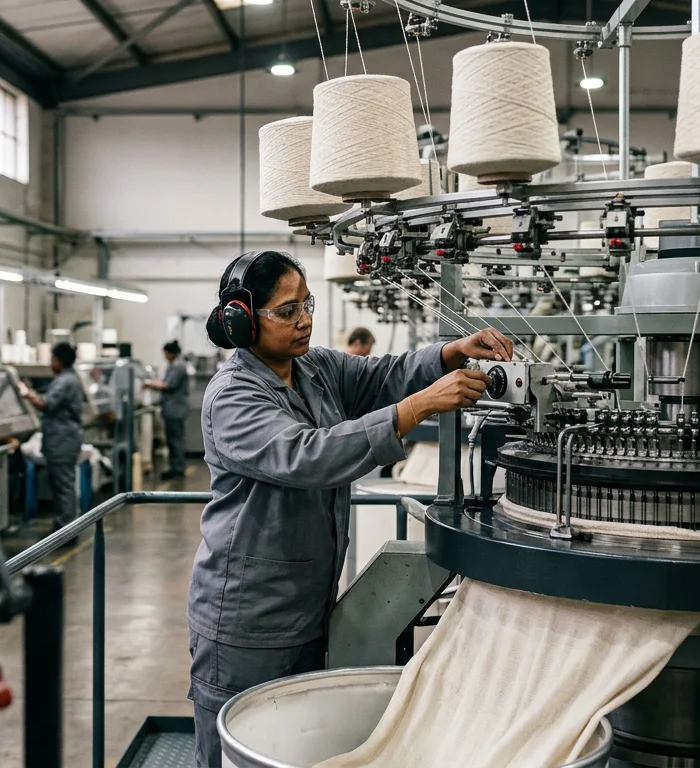
Simultaneously, Hyosung TNC has successfully integrated its sugarcane-derived bio-elastane into existing seamless knitting processes. By partnering with machinery manufacturer Santoni, the company demonstrated that biobased fibers can be processed on standard industrial equipment without requiring significant modifications to manufacturing workflows. This development suggests that biobased materials are reaching a level of technical maturity that allows for integration into high-volume production lines.
Finally, the integration of recycled materials continues to scale within performance apparel. Partnerships between insulation providers and skiwear manufacturers are now utilizing 100 percent recycled polyester across various product lines. These shifts indicate a transition from experimental material use to standardized commercial application, driven by the need to reduce reliance on virgin fossil-based feedstocks and improve supply chain visibility.
More stories
- The Week in Games: GTA 6 turns attention into cash
- US data centres emit 25.7m tonnes of CO2, Harvard says
- German founders need 3,942 hours to open small business
- Leaked Deutsche Bank files test Sewing's reform narrative
- UAE employers plan 2.8% pay rises for 2027
- Bessent urges Nvidia to seek outside CEO as scrutiny grows
- LLM content policies that swap pronouns for descriptions still encode gender
- Parag Agrawal says agents will upend search; marketing spend shifts to APIs
Latest news
- Social Security raises 2027 benefits 3.6%
- Hull City 2–0 Brighton: When Resilience Beat Reputation
- David Parr House to honor Victorian art-workman with blue plaque
- Iran's attacks hit 25 tankers near Strait of Hormuz
- FCC approves prison cellphone jamming despite 2.5-mile warning
- Russia strikes Ukraine as Odesa faces electricity strain
- Bahrain reports two injuries after Iranian aerial attacks
- Congress tests Black Democrats' growing policy influence