

Hardware Wallet Tampering Incidents Expand to Berlin and Dubai
Ledger is investigating tampered hardware wallets in Berlin and Dubai, part of a sophisticated supply chain attack that has resulted in over $100 million in…
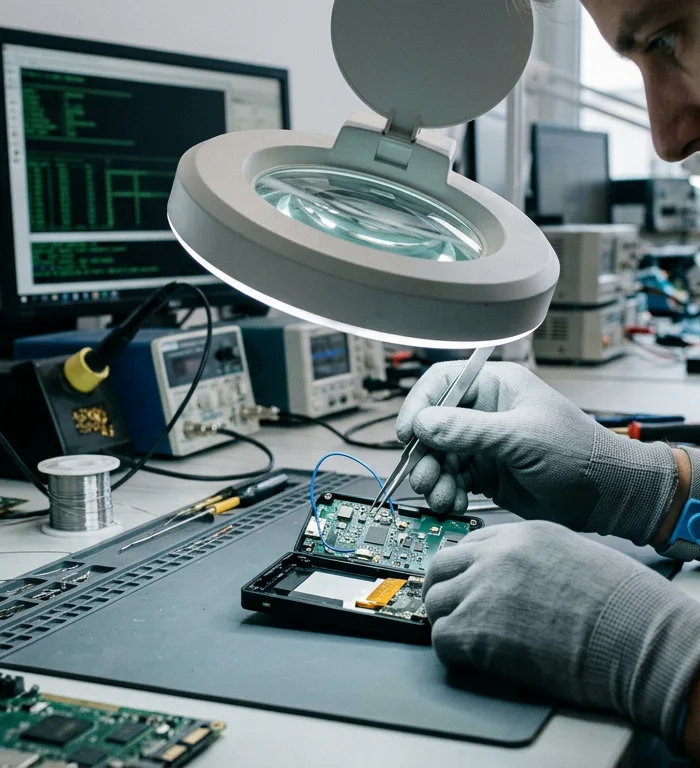
Hardware wallet manufacturer Ledger has confirmed the discovery of tampered devices in Berlin and is currently investigating additional units in Dubai. These incidents are linked to a broader supply chain compromise first identified in Southeast Asia in October, where unauthorized physical modifications were used to intercept user recovery phrases during device setup.
The modifications involve the integration of hidden chips, eSIMs, and cellular modules within genuine hardware casings. Because the internal secure chip and operating system remain intact, the manufacturer’s standard "Genuine Check" software is unable to detect the presence of these implants. Once a user initializes the device, the hardware transmits the recovery phrase over a mobile network, allowing attackers to reconstruct private keys and drain funds.
While the manufacturer maintains that no devices purchased While the manufacturer maintains that no devices purchased While the manufacturer maintains that no devices purchased directly from its official website have been compromised, the breach highlights significant vulnerabilities within third-party distribution channels. The company has instructed resellers to pause sales and implement stricter handling protocols, such as withholding devices from store shelves until the point of purchase. Financial impact estimates suggest that approximately $1 Financial impact estimates suggest that approximately $1.68 million has been stolen from wallets in Berlin and Dubai, following earlier reports of roughly $102 million in losses across Southeast Asia. The manufacturer is currently offering physical inspections at its French facility and has advised users who purchased devices in affected regions since January 2026 to contact support immediately.
Security analysts note that this coordinated operation involves a sophisticated criminal group capable of re-packaging genuine hardware with malicious components. As investigations continue, the incident underscores the systemic risk posed by supply chain intermediaries in the self-custody ecosystem. Institutional and retail users are advised to prioritize direct procurement channels to mitigate the risk of hardware-level interception.
More stories
- Europe faces attribution gap after 16 cyber, physical incidents
- PIF backs Grand Theft Auto as Saudi players embrace game
- Signal limits screenshots to curb AI access to messages
- Cognition runs Devin Mac workspaces on EC2 in 6 AWS regions
- Salesforce engineers cut 600-failure triage to 90 minutes
- Türkiye Desk: GTA 6 puts console access and network demand in focus
- Netflix commits $200 million to Women's World Cup rights
- US faces AI development plea from 1,100 tech staffers now
Latest news
- Trump prepares tariffs on China and other major exporters
- New-car buyers pay record average $50,087 in October
- Banks face ECB reserve debate over liquidity and profits
- Investors see Anthropic debut gains fade below $83 a share
- Iraq orders federal control over Kurdish-area oilfields
- Germans oppose Ukraine aid as poll shows support slipping
- Kim Jong-un receives 10 envoys after constitutional shift
- Ukraine claims Libya strike sinks Russian naval corvette