District Reasserts Leadership Council for a Cleaner Anacostia River
The LCCAR is DC.gov's multi-stakeholder body coordinating Anacostia River restoration, pollution reduction, and public access efforts across neighborhoods.
Sophie McAlister ·
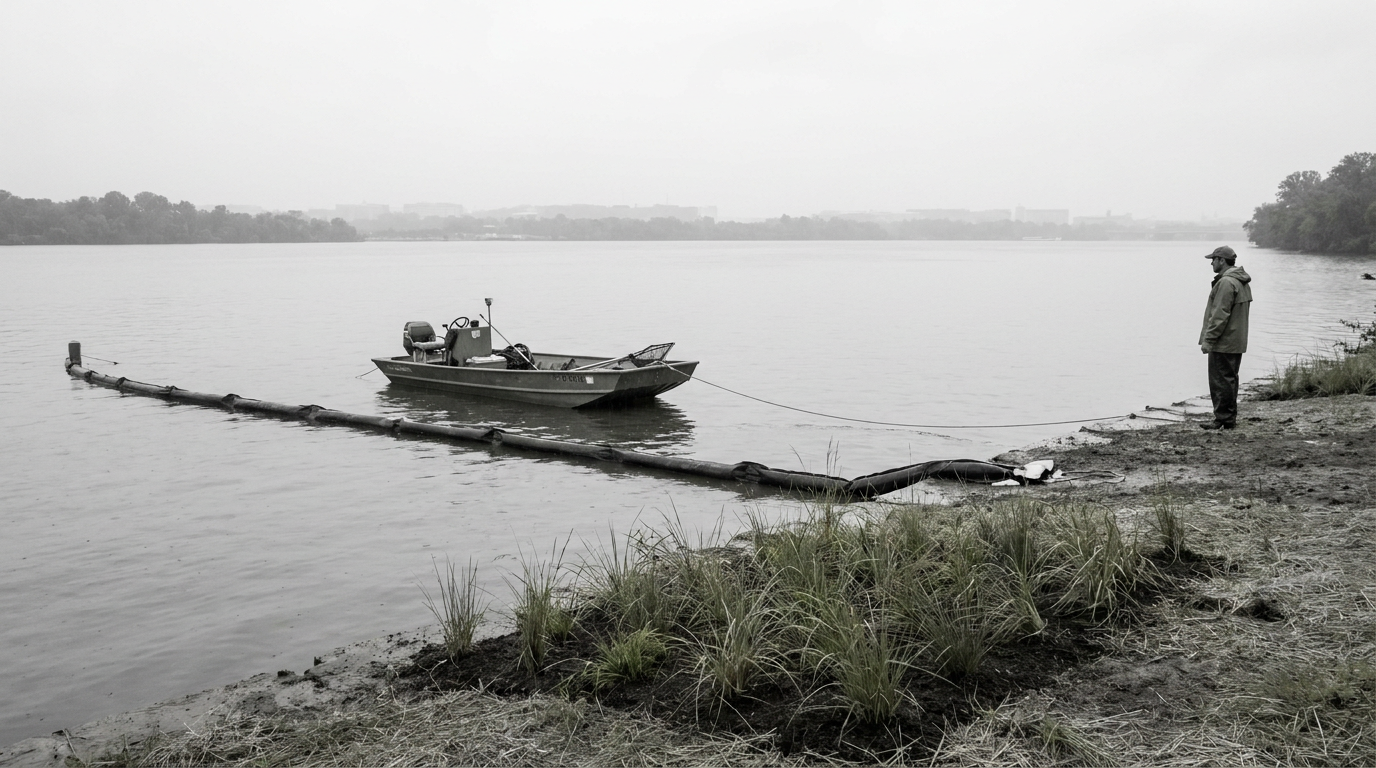
The District government lists the Leadership Council for a Cleaner Anacostia River (LCCAR) on its official site as a coordinating body that brings together local agencies, federal partners, nonprofits and community stakeholders to improve the health of the Anacostia River and its shoreline. The council’s stated role centers on aligning projects, tracking restoration work and advancing programs aimed at reducing pollution and improving water quality for communities that border the river.
Per the District’s materials, LCCAR serves as a convening forum to reduce duplication between agencies, accelerate implementation of river restoration projects and elevate community priorities in planning and funding decisions. The council is presented as a vehicle for information-sharing and joint action on issues such as stormwater management, trash and debris removal, habitat restoration and expanding safe public access to the waterfront.
Members listed include representatives from District government agencies alongside federal and nonprofit partners and other stakeholders, reflecting the cross-jurisdictional nature of the Anacostia watershed. The structure is intended to reflect the patchwork of responsibilities — from municipal infrastructure to federal land and environmental regulation — that shape work on the river.
How the council coordinates river work
The council’s model emphasizes coordination rather than replacing agency roles: it aims to align timelines, share technical data, highlight funding opportunities and identify priority projects across jurisdictions. Documentation on the District site frames LCCAR’s purpose as a way to help streamline permitting, coordinate capital investments and make the case for joint grant applications that benefit the river corridor.
Officials and partners use the council to surface gaps in implementation and to track progress toward shared goals. That includes cataloging restoration projects and identifying neighborhoods where stormwater investments or community-led cleanup efforts can yield measurable improvements in water quality and habitat conditions.
Local stakes: neighborhoods and public access
The Anacostia River touches multiple Washington neighborhoods including Anacostia, Navy Yard and Capitol Hill East; efforts to restore the river affect waterfront recreation, real estate development, and environmental equity for communities historically affected by pollution and flood risk. The council’s agenda therefore intersects with local planning, transportation projects and community priorities for green space and shoreline resilience.
While the District page outlines the council’s mission and membership, it also positions LCCAR as a mechanism to bring community voices into conversations about how restoration projects are prioritized and implemented across the watershed.
Moving forward, the council is expected to continue convening partners and tracking joint projects. Observers should watch for updates to the council’s public materials, newly announced project funding or coordinated capital investments that indicate whether LCCAR is accelerating visible improvements along the Anacostia.