UK faces a troop-deployment dilemma over Ukraine; France could pick up the slack
UK must weigh sending forces to Ukraine against other commitments. France could play a larger role in the Baltics & European security.
Sophie McAlister ·
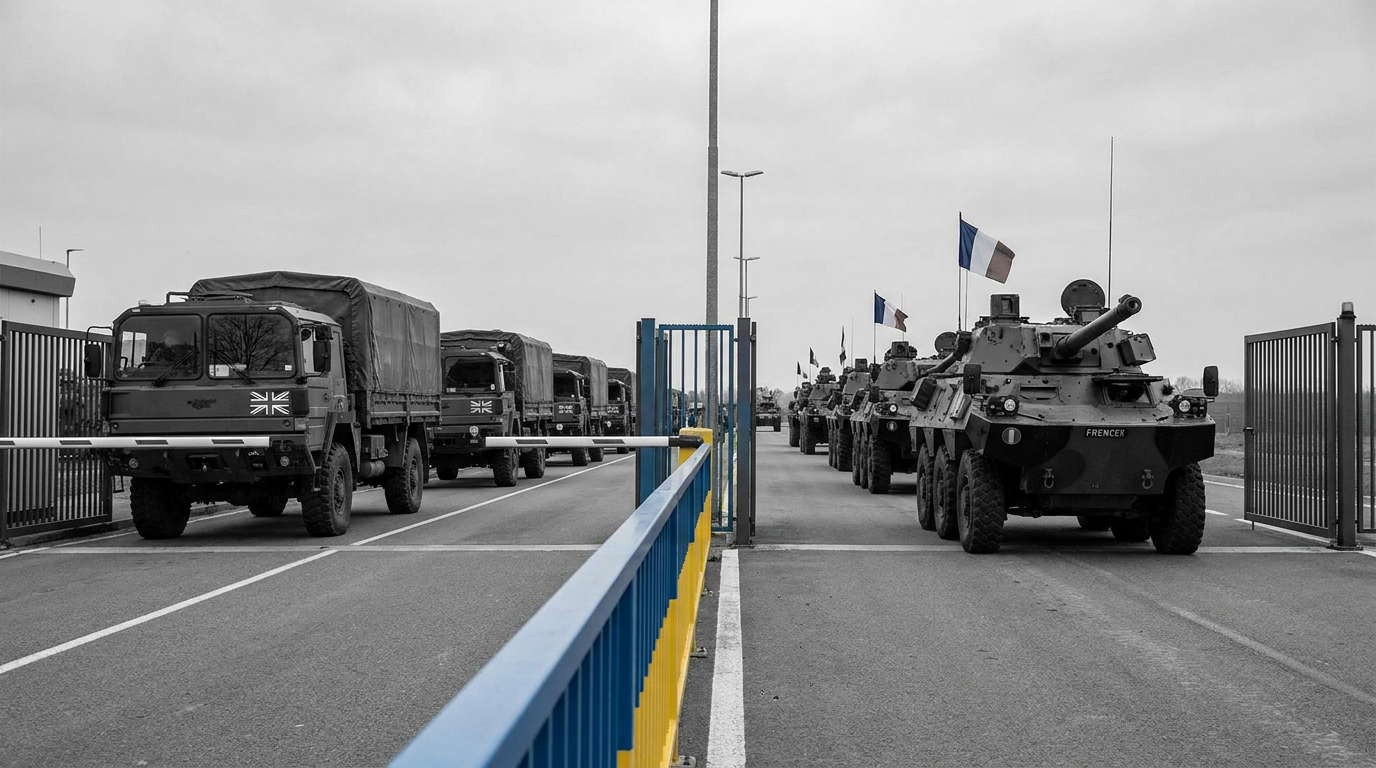
The United Kingdom is confronting a strategic choice about whether to move forces toward Ukraine while already committed to NATO and regional missions, according to a recent policy dispatch from a Washington-based think tank. The piece says the decision is complicated by allied burden-sharing across Europe and raises the prospect that France could assume a bigger share of responsibility in the Baltic region.
The dispatch frames the dilemma as a classic trade-off between reinforcing Ukraine and sustaining existing commitments to NATO partners and deterrence missions in northern and eastern Europe. It argues that any UK move would need to consider wider alliance posture, logistics, and political costs at home and among partners.
France’s potential role in Europe’s security architecture
The analysis notes that France is not operating at full capacity in parts of northern Europe and could increase its presence to relieve pressure on the UK and on NATO partners in the Baltics. The argument is that shifting some responsibilities would let the UK preserve its options on the eastern flank while keeping allied deterrence intact.
Observers in the dispatch emphasize that rebalancing forces among NATO members is not only a military calculation but a political one: capital decisions, parliamentary constraints, and long-term defense planning shape what each country can offer. The piece suggests that closer coordination between London and Paris would be necessary to make such a reallocation credible and sustainable.
Operational limits and alliance politics
The commentary highlights practical limits—transport, sustainment, and command arrangements—that affect whether troops can be shifted without degrading other missions. It points to the need for clear timelines, interoperable logistics, and political buy-in from the governments whose forces would be redeployed or augmented.
From a regional perspective, the dispatch underscores that Baltic states and northeastern NATO members are sensitive to any perceived weakening of commitments. The authors argue that transparent burden-sharing and visible allied presence remain central to deterrence and allied reassurance.
Strategic analysts cited in the piece urge policymakers to consider a menu of options that combines temporary rotational deployments, increased French-led initiatives in northern Europe, and expanded nonkinetic support to Ukraine. The aim would be to preserve deterrence while allowing flexibility in responding to evolving threats.
What to watch next is whether London and Paris open formal talks about modifying deployments or announce stepped-up cooperation in Baltic and northern European missions. Any changes would reverberate through NATO planning and Washington’s defense discussions.